

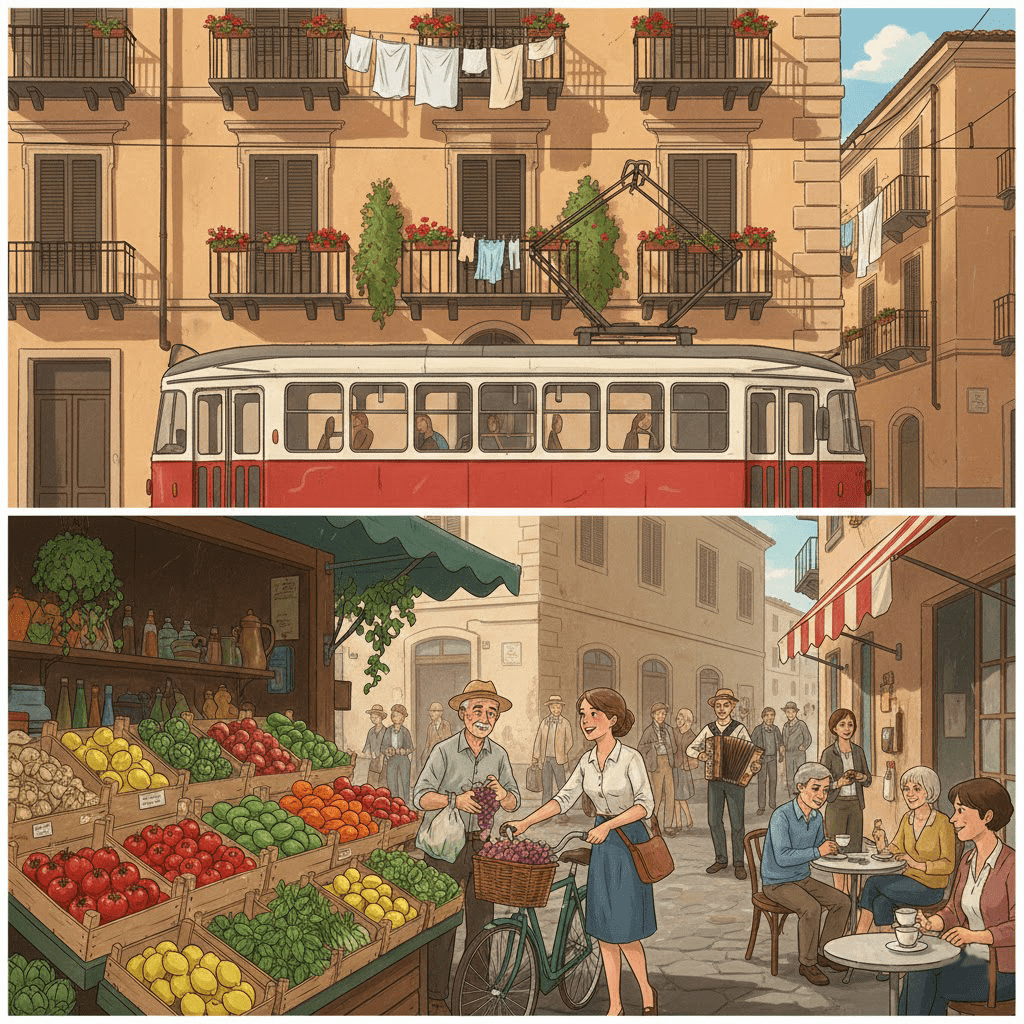
Cost of living in Italy in 2026 is one of the first things that anyone considers before moving to this beautiful country. From the bustling streets of Milan to the quiet alleys of Sicily, knowing what everyday living will cost helps you make realistic plans. Whether it’s rent, groceries, transportation, or monthly bills, this guide gives a clear picture of what you can expect.
Italy is famous for its food, culture and lifestyle – but living here isn’t just about picturesque streets and espresso. Housing costs, utilities, and food prices can vary widely depending on the city or region you choose. Understanding these differences is essential for those who want to live comfortably without spending much.
In this article, we’ll detail the real cost of living in Italy in 2026, including rent, groceries, transportation, utilities, and a sample monthly budget. Plus, you’ll also get tips on saving money and choosing the best city for your lifestyle.
Rent Costs in Italy in 2026
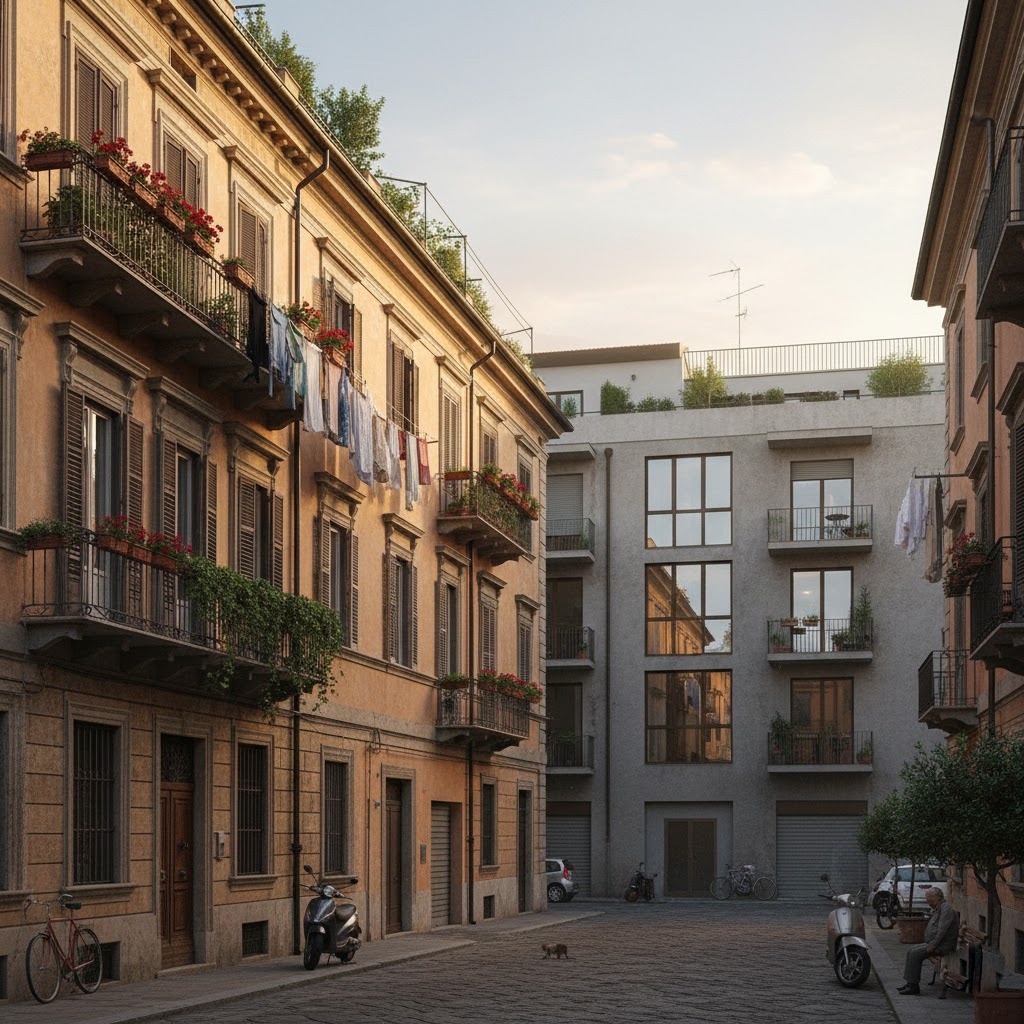
Rent is frequently the biggest monthly price and varies dramatically depending on location.
Major cities: In Milan, Rome, or Florence, a one-bedroom condo within the metropolis center usually fees €900–€1,300 per month. Outside the center, fees can drop to €650–€900, even though availability can be confined.
Medium cities: Bologna, Turin, or Padua have slightly decrease rents, often ranging €600–€900 for a one-bed room rental.
Southern Italy & smaller cities: Cities like Bari, Lecce, or Palermo can provide residences for €400–€650 according to month. Rural cities may be even cheaper, however job opportunities can be restricted.
Tips: Furnished residences frequently cost more. Long-time period rentals offer better price than quick-time period rentals in maximum cities.
Food Prices and Grocery Costs
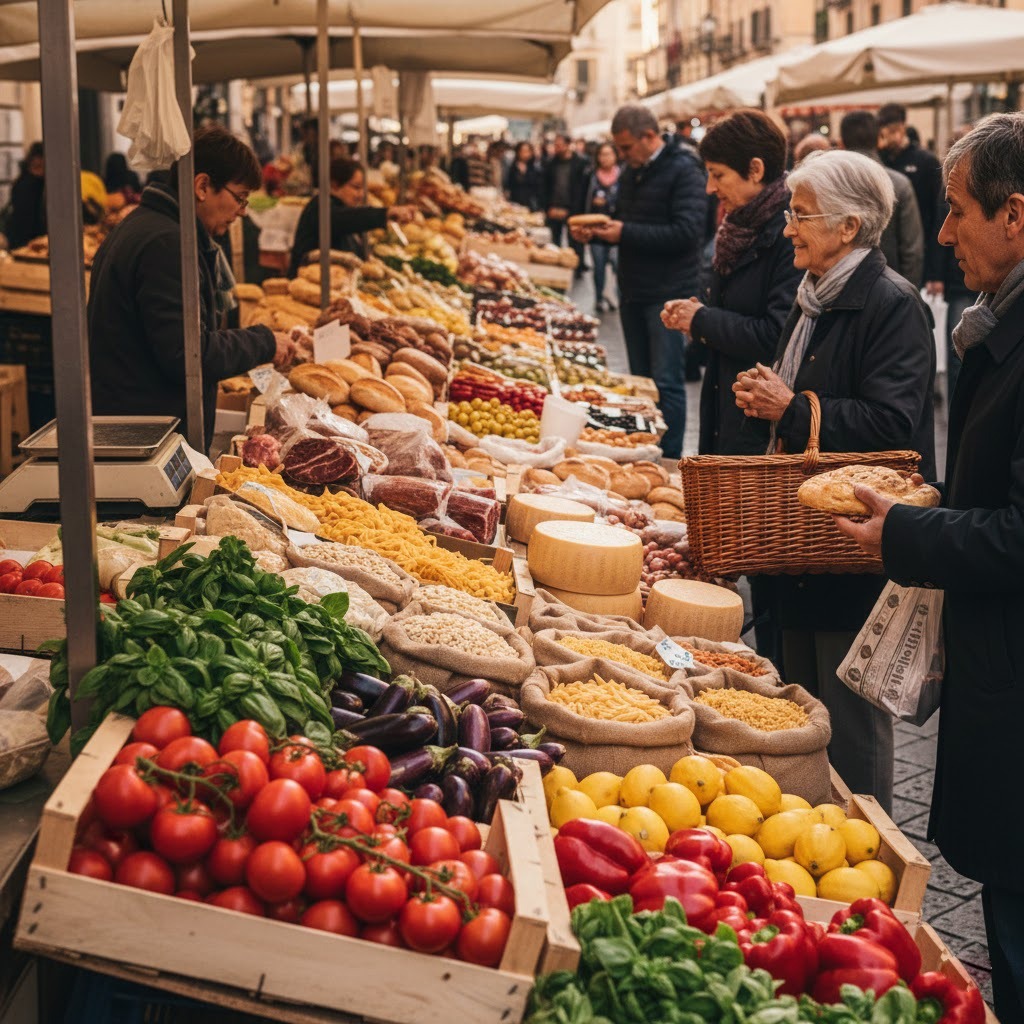
Food is where Italy shines – not just in quality, but also in affordability.
If you cook at home, grocery costs in Italy are surprisingly reasonable. A single person who spends wisely can expect to spend around €200 to €300 per month on groceries. Local markets, bakeries and small shops often offer better quality than larger supermarkets, especially for produce.
Basic items will remain affordable: Bread: €1–€2 Pasta: €1–€1.50 Fresh vegetables: often cheaper than packaged foods Cheese and refined meat: high quality, reasonable price Eating out is not expensive either.
In many cities a casual lunch at a local café or trattoria still costs around €10-€15.Pizza is one of the best-value meals in Europe, especially outside tourist areas.
Of course, frequent dining out in central Rome or Milan will stretch your food budget. But everyday Italian food—espressos at the bar, lunch menus, home-cooked meals—keeps costs under control.
Public Transport and Travel Expenses

Public transportation in Italy is one of the easiest expenses to plan for.
Most cities offer monthly transport passes ranging from €30 to €55, depending on the city and region. Milan is on the higher end, while smaller cities remain affordable. These passes usually cover buses, trams and metro lines.
Trains are widely used for regional and interurban travel. High-speed trains cost more, but regional trains remain affordable and reliable for everyday commuting. Many residents rely entirely on public transportation and do not own cars, especially in larger cities.
Owning a car in Italy increases your monthly expenses significantly. Fuel prices remain high, and insurance, maintenance and parking are rising rapidly. For city living, public transportation is almost always a better financial option.
Utilities, Internet, and Monthly Bills

Utilities vary depending on condominium size, season, and electricity use. On common, anticipate to pay between €120 and €180 and eighty according to month for energy, gasoline, water, and waste offerings blended.
Internet prices are reasonable, typically around €25–€35 per month for a stable domestic connection. Mobile cellphone plans continue to be lower priced, with most humans paying €10–€15 according to month for data and calls.
Heating charges can spike throughout wintry weather, specially in older buildings. This is one region wherein budgeting a touch more is smart.
Healthcare and Daily Living Costs
Italy’s public healthcare system is one of the country’s strongest advantages. Legal residents can register with the national health system and access medical services at low cost.
Many people supplement public care with private insurance, which typically costs €50–€100 per month. Other everyday expenses—gym membership, personal care, clothing—are on par with other European countries.
You can live modestly or spend freely, depending on your lifestyle choices
Monthly Budget Examples for Italy
Here’s what a realistic monthly budget might look like in 2026:
Modest Lifestyle (Small Town)
Rent: €600
Meal: €250
Transportation: €40
Utilities and Internet: €150
Other expenses: €160
Total: ~€1,200
comfortable city life
Rent: €900
Meal: €300
Transportation: €50
Utilities and Internet: €170
Other expenses: €180
Total: ~€1,600
Big city lifestyle (Milan/Rome)
Rent: €1,200
Meal: €350
Transportation: €55
Utilities and Internet: €180
Other expenses: €215
Total: ~€2,000
Is Italy Affordable in 2026?
Living in Italy in 2026 isn’t about finding the cheapest lifestyle – it’s about balance. Italy rewards those who adapt. Shopping locally, using public transportation, choosing the right city and going slow helps keep costs manageable.
Italy can be affordable, comfortable and highly rewarding – but only if you understand how everyday life really works. Once you do this, the numbers stop being intimidating, and the experience becomes far richer than a spreadsheet.