
History of Milan- Italy

Milan is a city that hardly tries to impress you at first glance. Unlike Rome, it doesn’t overwhelm you with ruins at every corner. Unlike Florence, it does not immediately declare its artistic heritage. The union reveals itself gradually – through layers. And once you start to understand its history, the city suddenly makes sense.
Behind the glass skyscrapers, luxury boutiques and fast-paced work culture lies one of Italy’s most complex and impressive stories. Milan was not created for admiration. It was created to function, adapt, and survive. That mentality has defined the city for more than two thousand years.
First Match: Before Rome Ever Arrived

Long before Milan became Milan, the land was home to Celtic tribes known as the Insubres, who settled here around 600 BC. They called the place Mediolanum, which means “in the middle of the plain.” That name alone tells you everything you need to know.
The location of Milan was its biggest advantage. Situated between the Alps and the Po valley, it naturally became a crossroads for trade, movement, and later power. This was not a city built for beauty – it was built because it made sense.
When the Romans arrived in 222 BC, they immediately recognized its value.
Roman Milan: When Power Shifted North
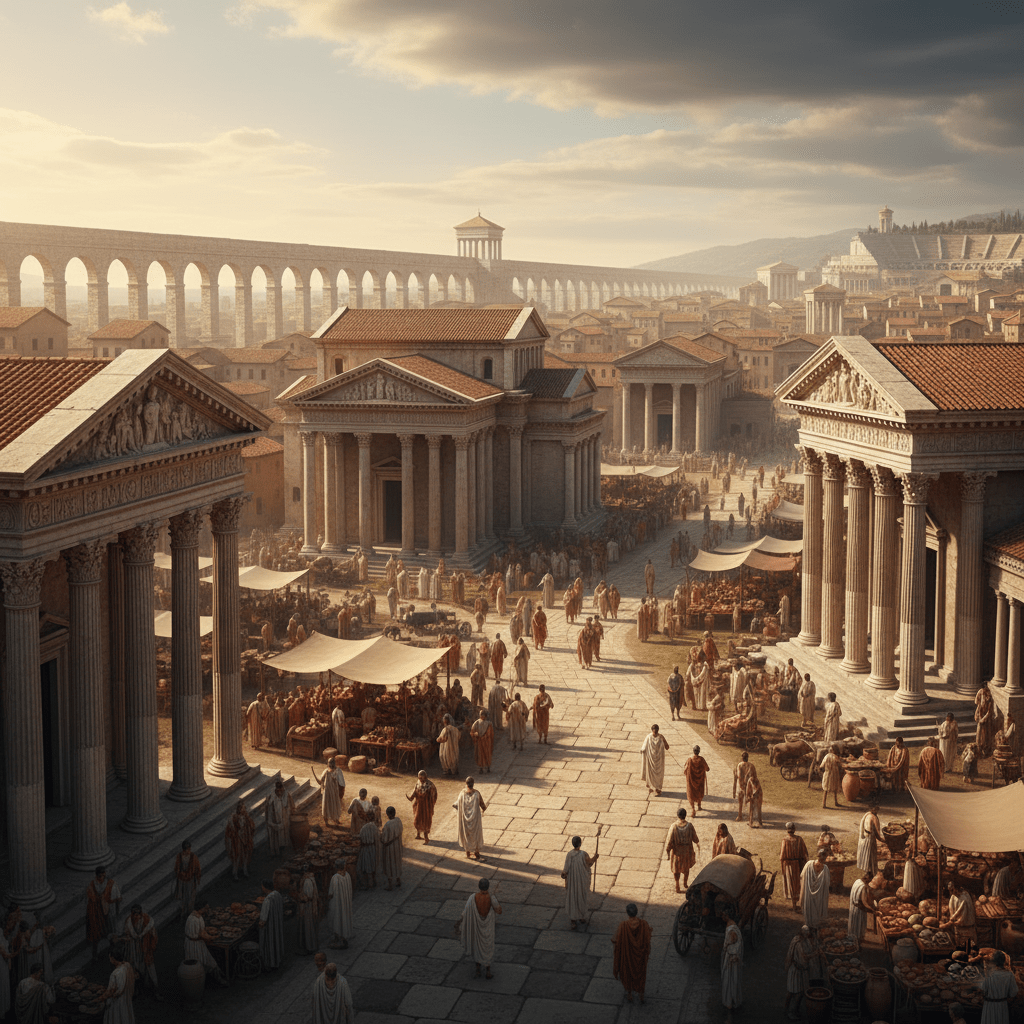
Under Roman rule, Mediolanum transformed from a regional settlement into a major imperial city. Roads were built, trade expanded and the city developed rapidly. But the most important moment came in 286 AD, when Emperor Diocletian made Milan the capital of the Western Roman Empire.
This decision itself gave a new shape to European history.
Rome may have remained symbolically important, but real power shifted to the north. Milan became the center of administration, military strategy and governance. The emperor lived here. Decisions affecting millions of people were taken here.
Then came another decisive moment: the Edict of Milan in 313 AD, which legalized Christianity. Signed by the Emperor Constantine, it changed the religious direction of Europe forever – and it happened in Milan.
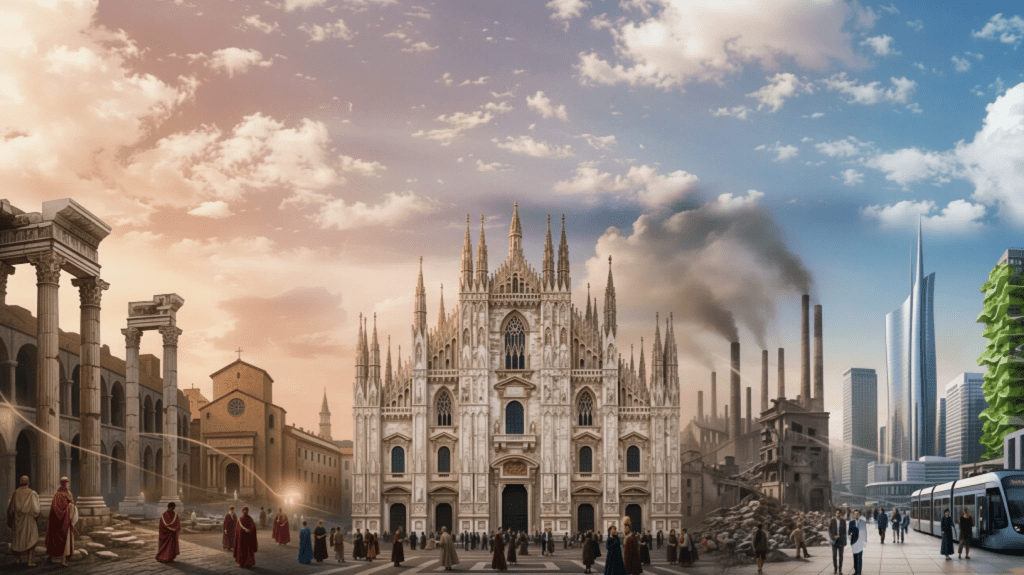
Even today, beneath the modern streets, fragments of Roman walls, columns and foundations quietly remind you that this city was once ruled by an empire.
Faith, Survival, and the Medieval City
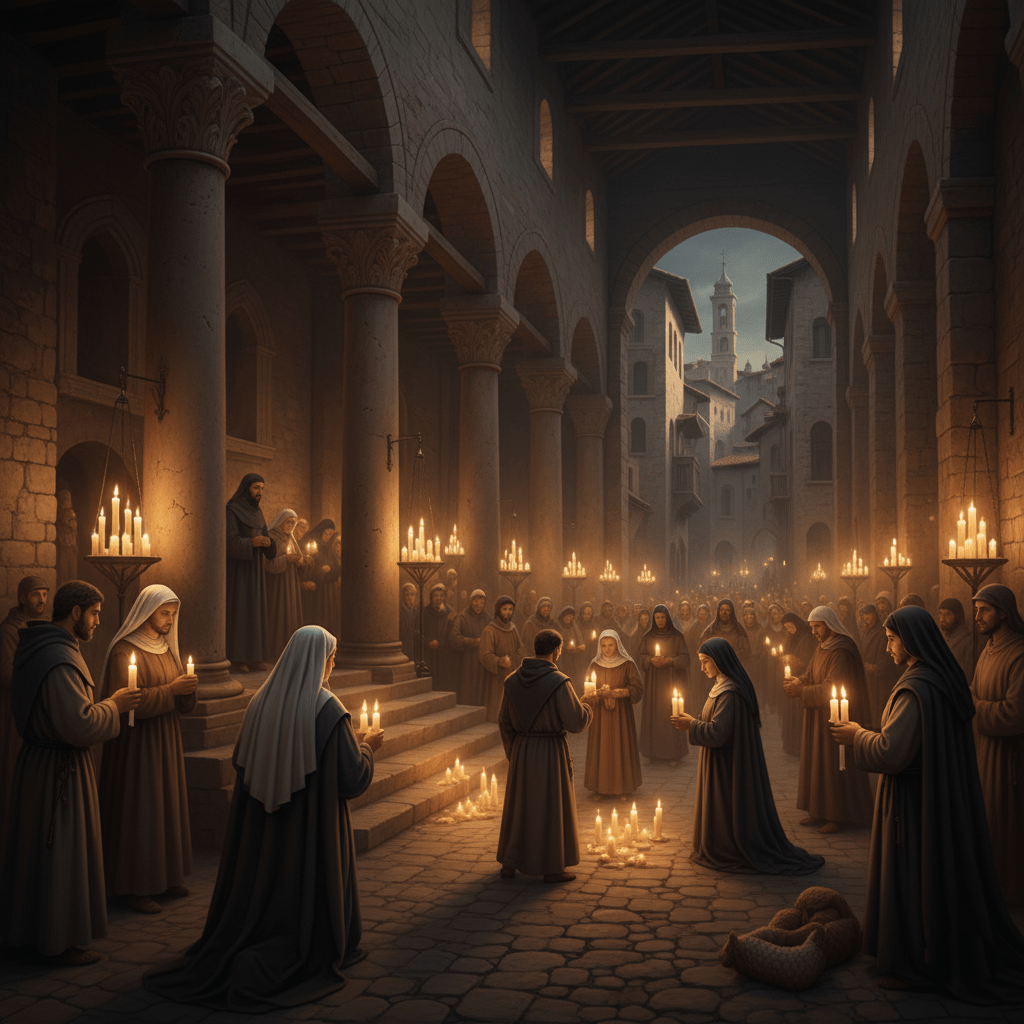
After the fall of the Roman Empire, Milan entered a turbulent period. Invasions, political instability and changing rulers became the norm. Yet the city never disappeared.
One reason was religion.
Guided by figures such as St. Ambrose, Milan developed a strong Christian identity early on, whose influence still defines the city’s religious traditions. The Ambrosian Rite, unique to Milan, is still practiced today – one of those little details that shows how strongly the city protects its independence.
During the Middle Ages, Milan developed into a powerful self-governing commune. Merchants, craftsmen, and guilds drove its economy. Unlike those cities, which relied heavily on aristocracy, Milan’s strength came from work—textiles, metals, trade, and early industry.
That’s when Milan started feeling like Milan
The Renaissance, Milanese Style
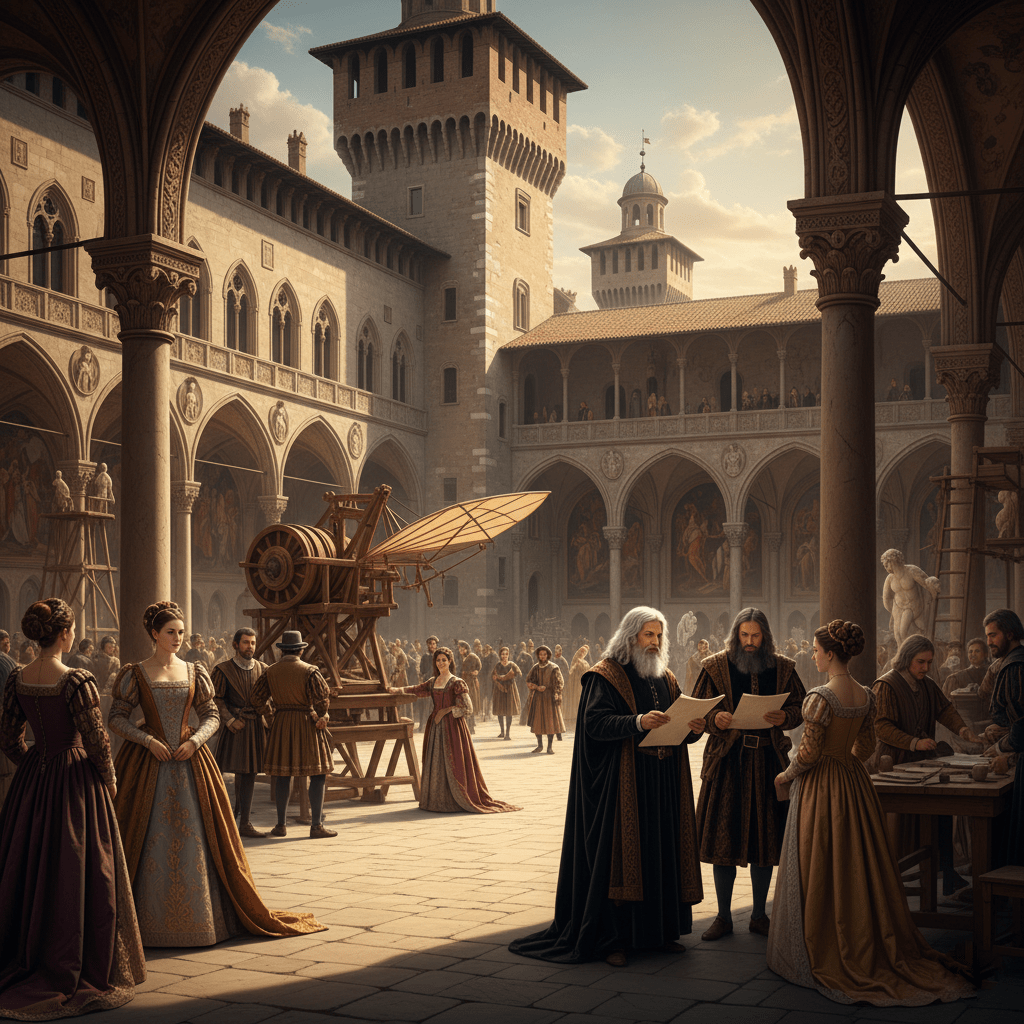
When people think of the Italian Renaissance, they usually imagine Florence. But the Renaissance of Milan was different – and in many ways, more practical.
Under the Visconti and later Sforza families, Milan became a center of engineering, military innovation, and architecture. Power matters here. Stability matters. Results mattered.
The Duomo di Milano, which took centuries to complete, reflects this mentality. It’s not just beautiful – it’s ambitious, complex and unapologetically bold. Leonardo da Vinci first arrived in Milan not as a painter, but as an engineer.
The Last Supper may be his most famous work here, but his notebooks reveal how deeply Milan influenced his thinking about machines, structures and systems. It was not art for decoration’s sake. It was purposeful art.
Foreign Rule and Quiet Modernization
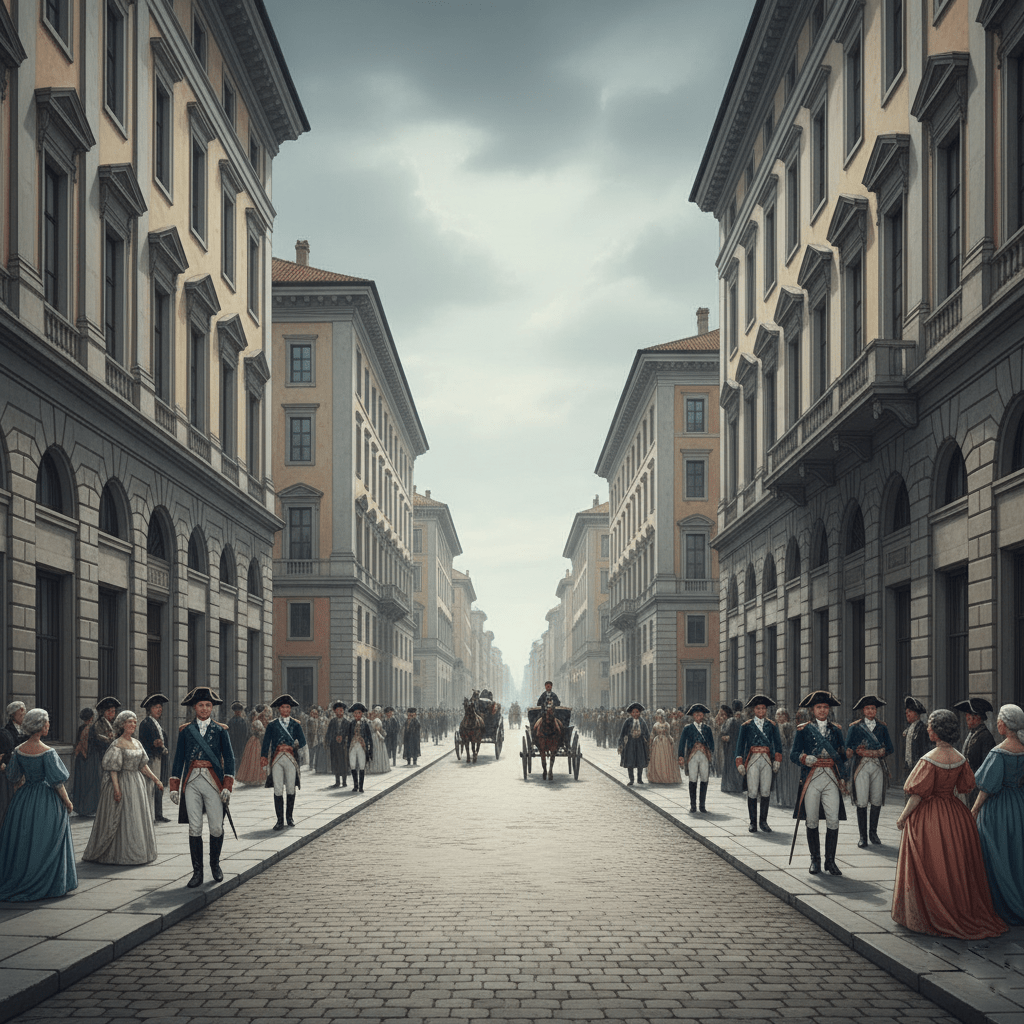
From the 16th to the 18th centuries, Milan passed through Spanish and Austrian control. While this period is often seen as one of lost independence, it also brought reforms that modernized the city.
The legal system improved. Education expanded. Urban planning advanced.
Under Austrian rule, Milan became more organized, more efficient and – ironically – more prepared for the future. By the time Napoleon arrived and declared Milan the capital of the Kingdom of Italy, the city was already thinking ahead.
The Industrial Turning Point
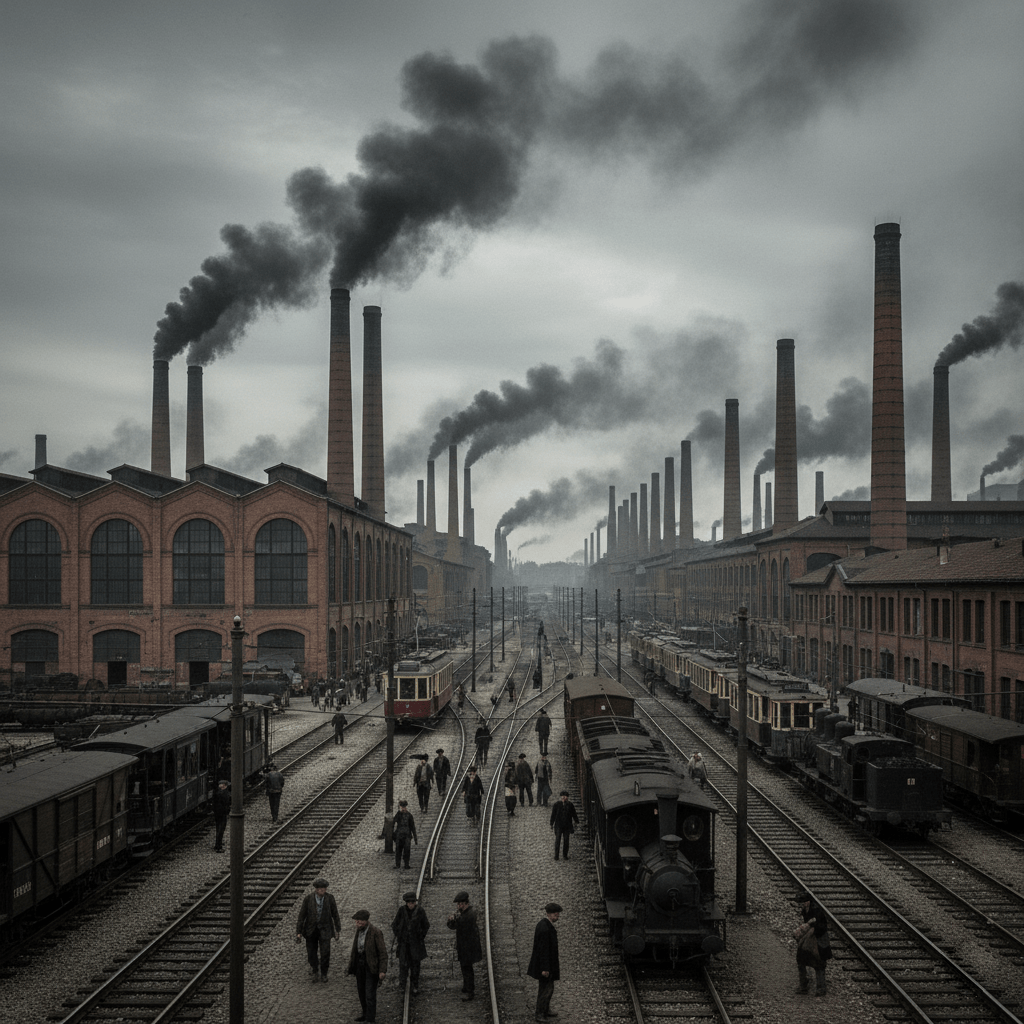
After the unification of Italy in 1861, Milan made a choice that would define it permanently.
While other cities leaned toward tourism or tradition, Milan embraced industry. Factories increased. Railways expanded. Banks and publishing houses flourished. Milan became the economic engine of Italy, attracting workers from all over the country.
This period also reshaped the city socially. The neighborhood expanded rapidly. Class divisions became visible. Work culture became stronger. Matching became faster, faster and more demanding. But it also became modern.
War, Destruction, and Reinvention

World War II badly affected Milan. The bombings destroyed entire areas of the city, including parts of its historic centre. Recovery was slow and painful.
Yet something extraordinary happened in the years after the war. The epicenter of Italy’s economic miracle in the 1950s and 60s was found in Milan. Companies grew. Design and architecture evolved.
A new identity emerged – focused on innovation, aesthetics and global relevance. This is when Milan began its transformation as a fashion capital.
Milan Today: A City That Never Stopped Evolving
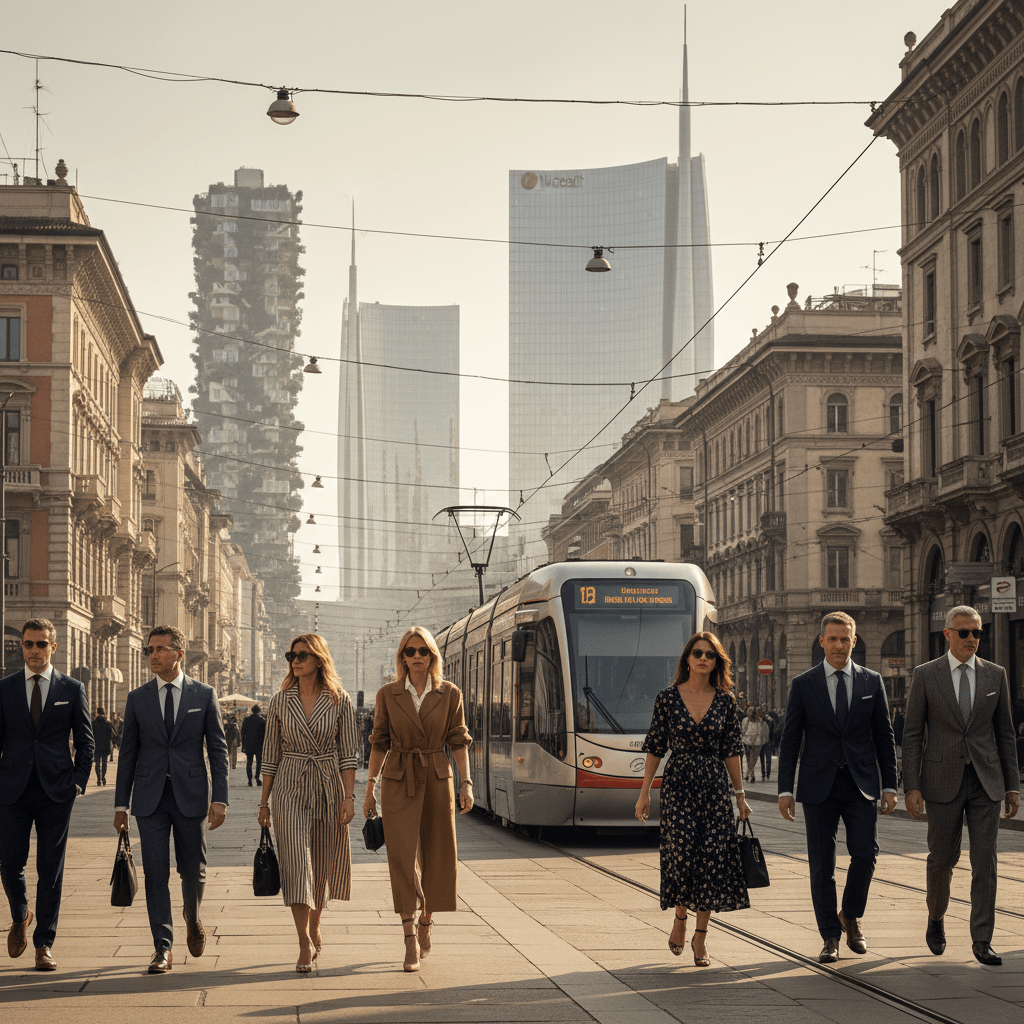
Modern Milan is a city of contrasts.
Ancient churches are located near the glass towers. Trams from the early 20th century still run through districts filled with startups and co-working spaces. Fashion, finance, design and technology co-exist in a city that never slows down.
Milan does not rely on old memories. It respects its past—but it does not live in it. That is why people come here not just to roam but to work.
Final Thoughts
The history of Milan is not a straight line. It is a series of adaptations. Each era left a mentality: flexibility from the Celts, structure from the Romans, discipline from the Church, ambition from the Renaissance, and efficiency from industrialization.
Together, they created a city that valued effort over show and progress over comfort.
To understand Milan, you don’t just look at the monuments – you look at how people move, work and live. This is where its real history still lives on.