
Public Transport in Italy Explained
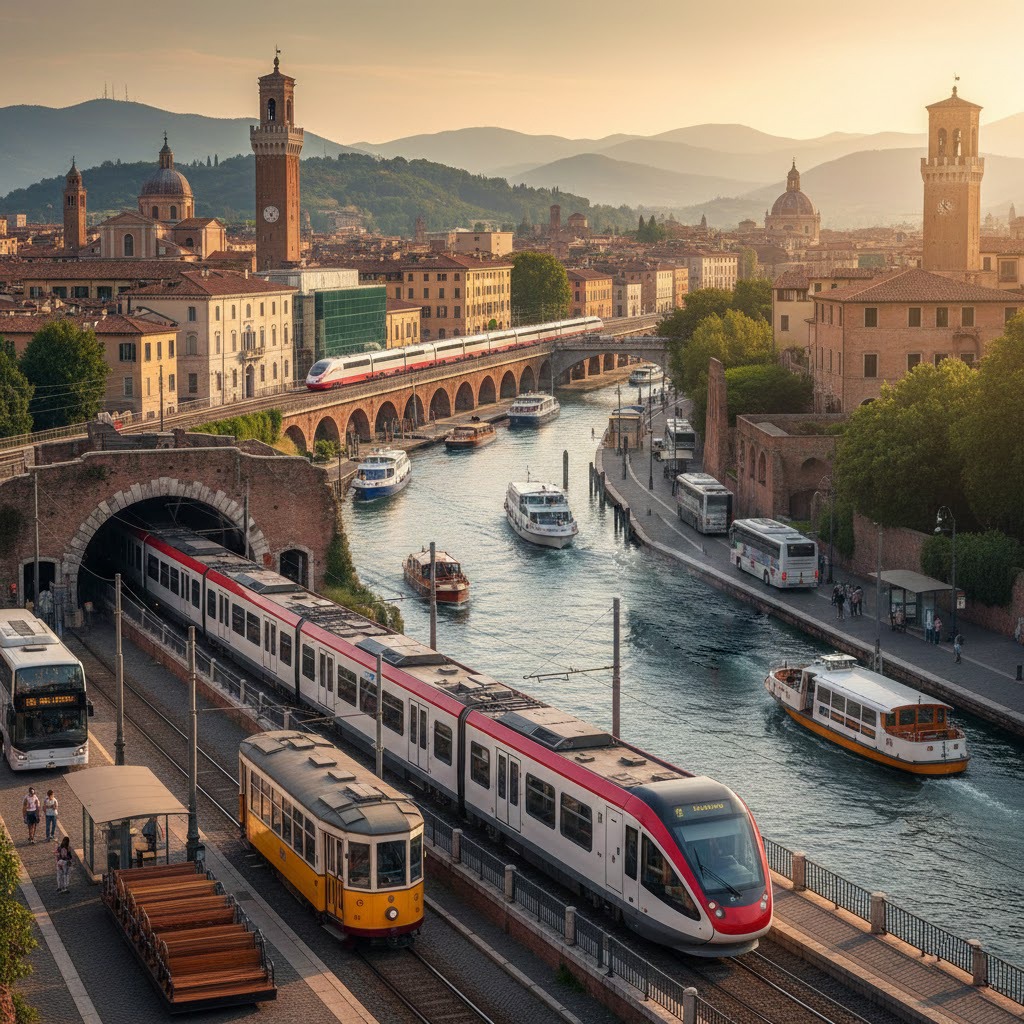
If you’ve never used public transportation in Italy before, it can seem intimidating at first. Trains with unfamiliar names, buses that don’t always run on schedule, ticket machines speaking increasingly Italian – it’s a lot.
But once you really start getting used to it, Italy’s public transportation system becomes one of the easiest and most affordable ways to experience the country.
This is not a technical guide full of rules and numbers. Public transportation in Italy is really like that, versus someone who is standing on a platform, lost contact, asking strangers for help, and still got exactly where they needed to be.
The Heart of Italian Transport: Trains
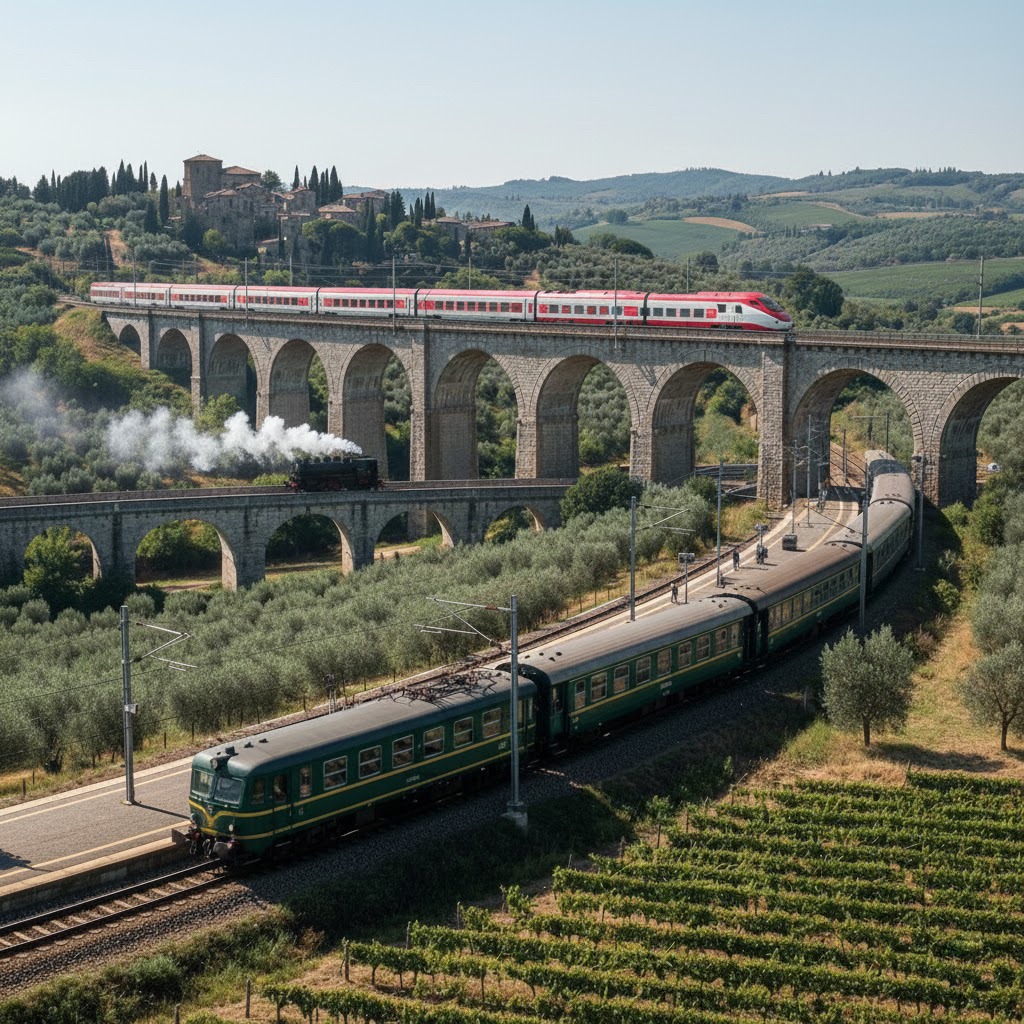
Trains are the backbone of public transport in Italy. If you’re planning to move between cities, you’ll almost certainly take up a space. And for the most part, they’re reliable, comfortable, and surprisingly simple once you understand the basics.
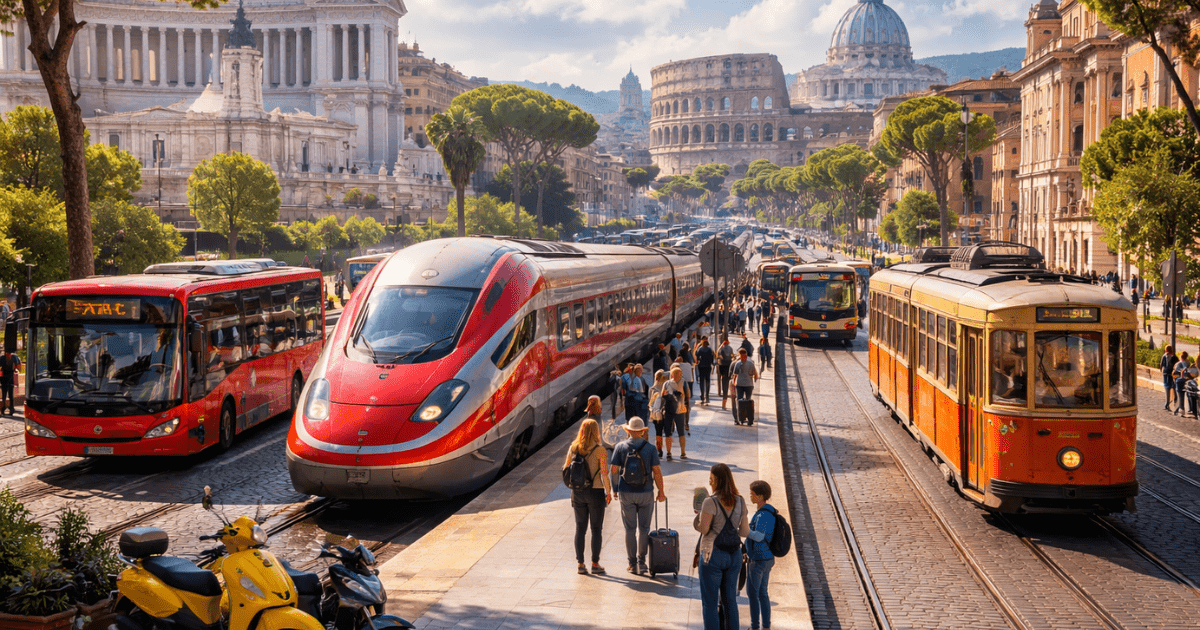
High-speed trains—such as the Frecciarossa, Frecciargento, and Italo—link major cities such as Rome, Milan, Florence, Naples, and Venice. These trains are fast, clean and feel like an airplane on rails. You book a seat, you know where you’re sitting, and you usually arrive on time. Then there are regional trains.
These are slower, cheaper and less glamorous, but they take you to small towns and everyday Italy. Regional trains do not require seat reservations, and sometimes they are crowded, sometimes they are quiet. They’re unexpected in that typical Italian way—but they get you there.
Buying Tickets: Easier Than It Looks
Buying transport tickets in Italy used to be stressful.
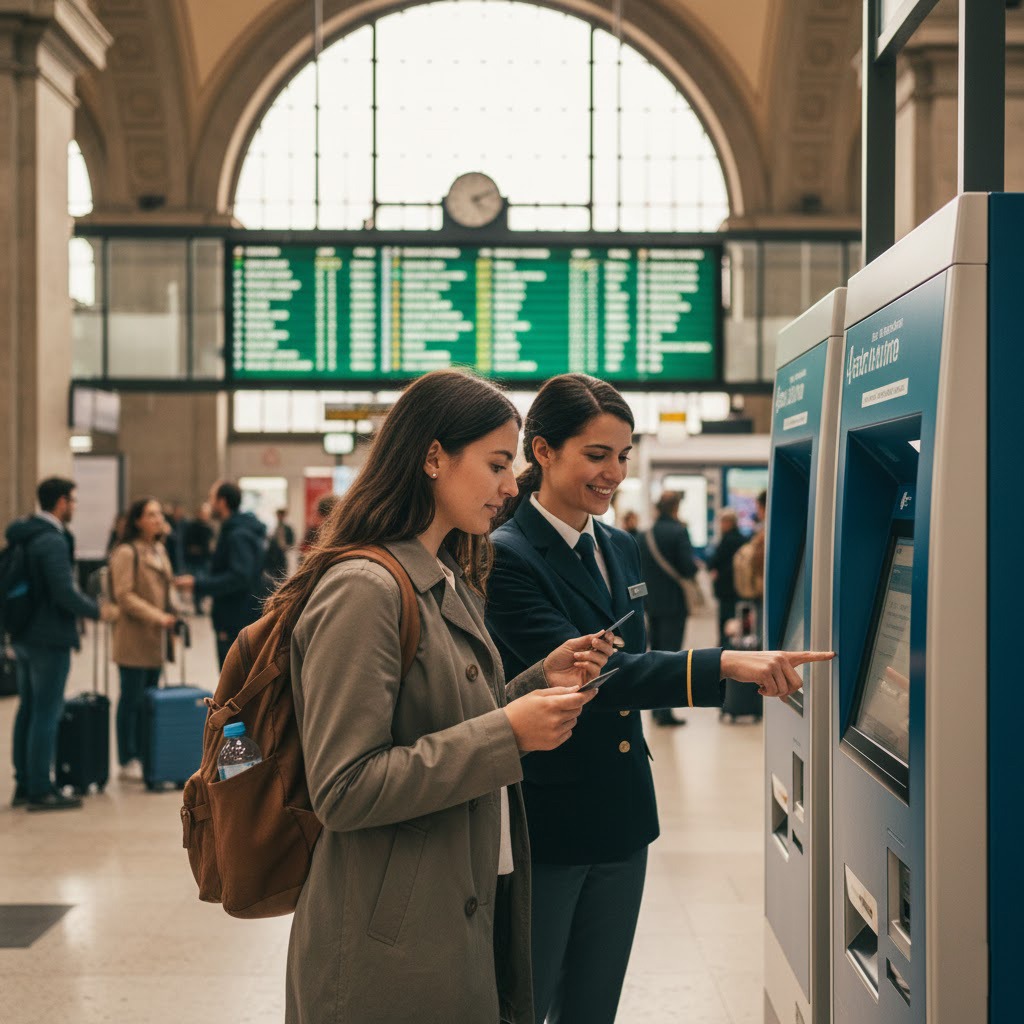
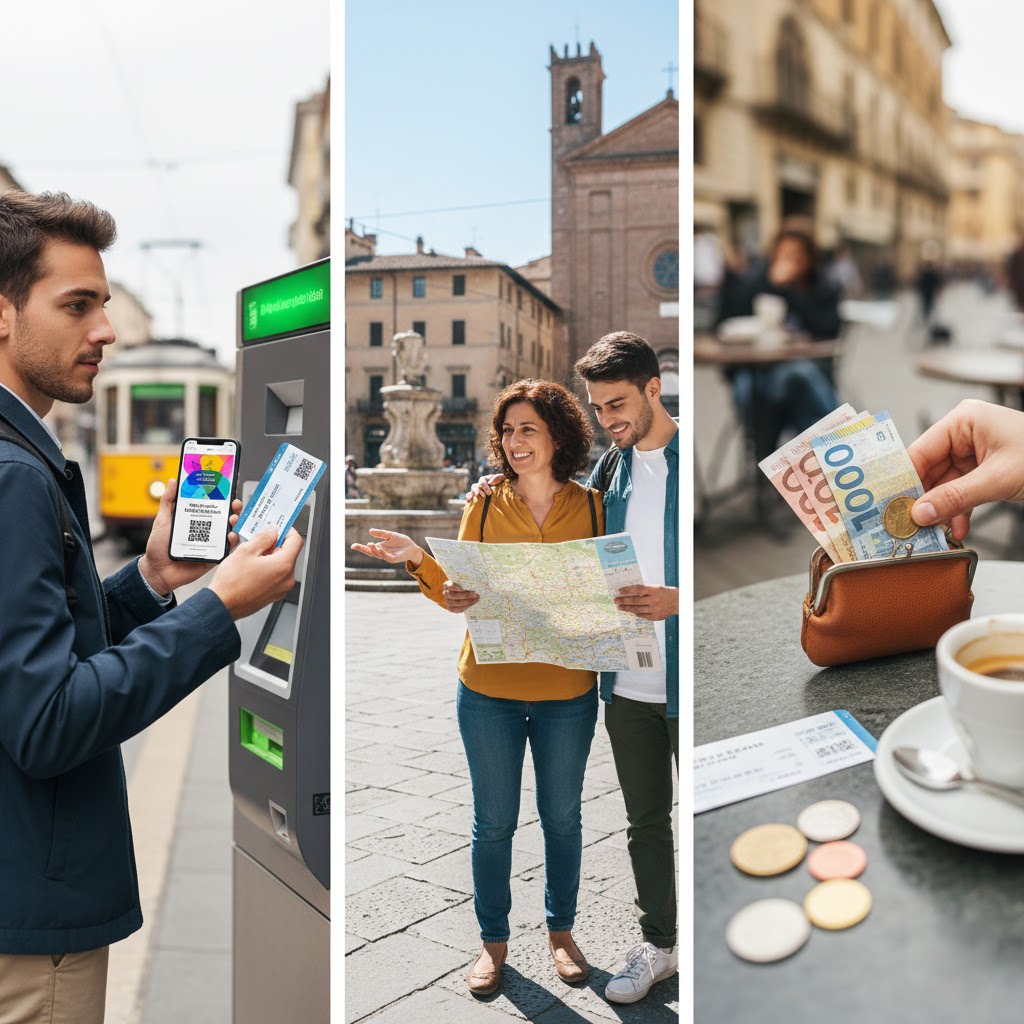
In 2026, it’s much easier. You can buy train tickets online, through official apps, at station machines or at ticket counters. The machines usually have English options, and the staff are generally helpful if you’re polite and patient.
One important thing that many travelers forget: regional train tickets must be verified before boarding if they are paper tickets. There are small green or yellow machines on the platforms where you stamp your ticket. Forgetting to do this can result in a fine, even if you don’t know the rules. High-speed tickets do not require verification – they are already time-locked.
Buses and Trams: City Life in Motion
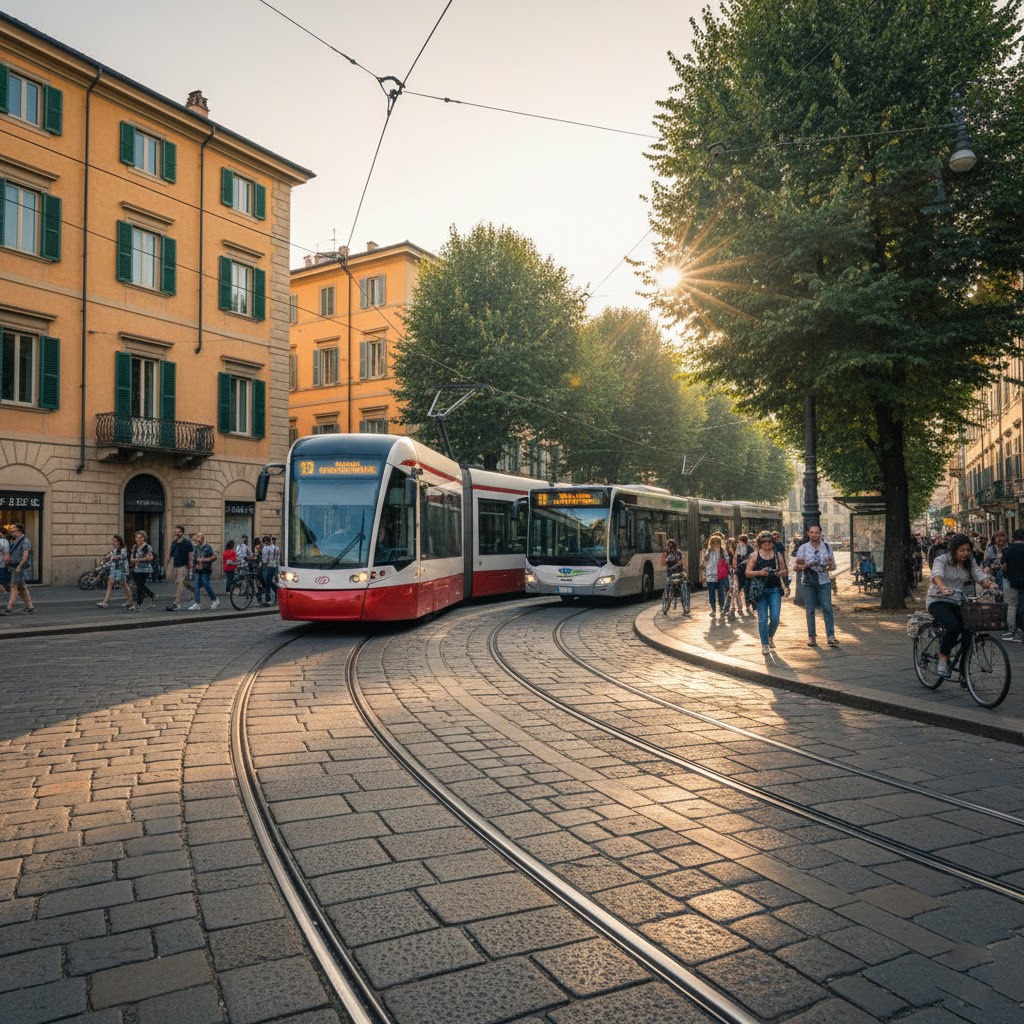
Each Italian city has its own local transport system. Buses, trams and metro lines are the means of transport for locals and using them makes you feel less like a tourist and more like a part of daily life. Cities such as Rome, Milan, Turin and Naples have metro systems.
Milan is the easiest to use, cleanest and well connected. Rome’s work is fine, but there are delays—and locals complain openly about it. Buses can be crowded, especially during rush hours. They don’t always move in perfect time, but they have a rhythm. Once you accept that things don’t have to be perfect for it to work, Italian buses make sense.
Tickets for Local Transport
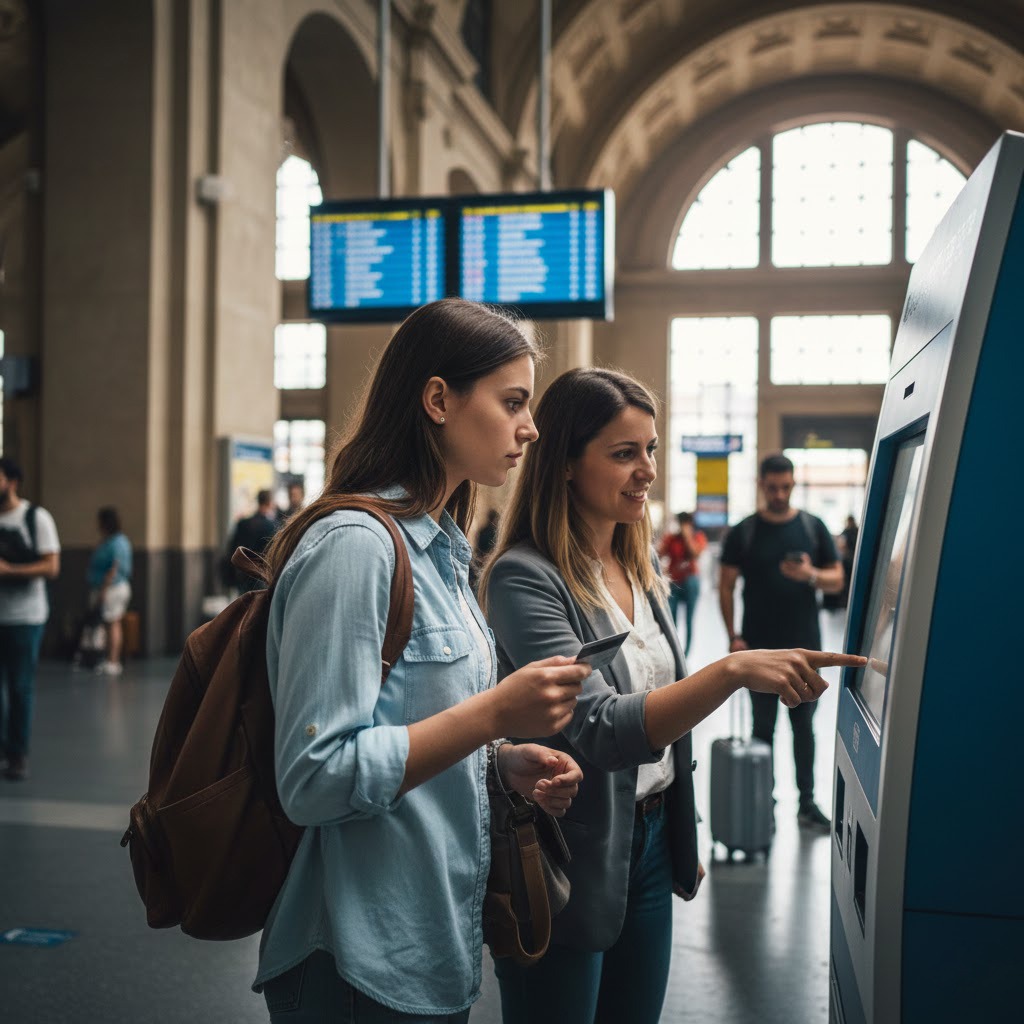
Most cities use time-based tickets. You buy a ticket that is valid for 75-100 minutes depending on the city, and you can use multiple buses or trams within that time.
Tickets are usually purchased at:
- Tobacco shops (look for the blue “T” sign)
- newspaper stand
- metro station
- transport apps
Always validate your ticket when you board. Inspectors carry out random checks, and fines are not cheap.
What It Feels Like to Ride Public Transport in Italy
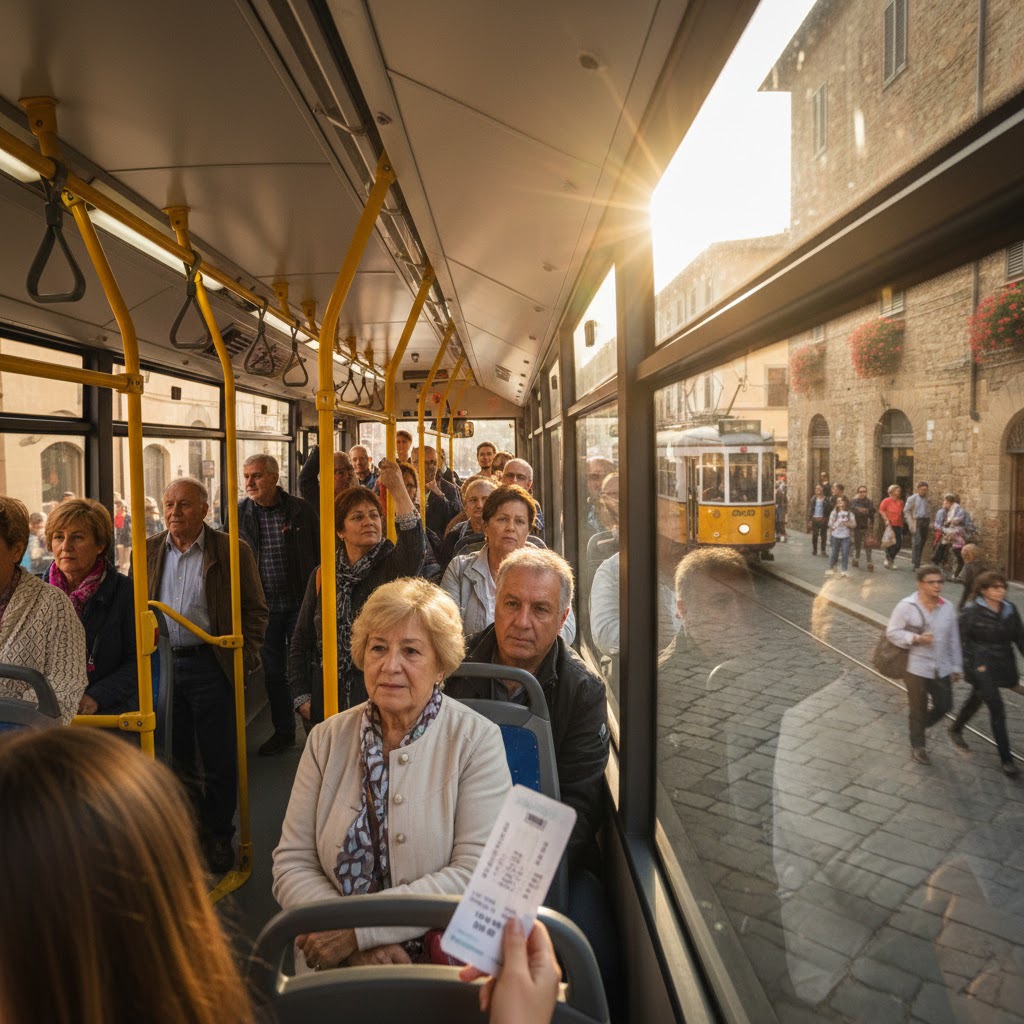
Public transportation in Italy is not silent or sterile. People talk. The phones ring. Someone will be eating a sandwich at 10 in the morning. You’ll hear accents from every region, and sometimes even heated conversations that sound like arguments but aren’t.
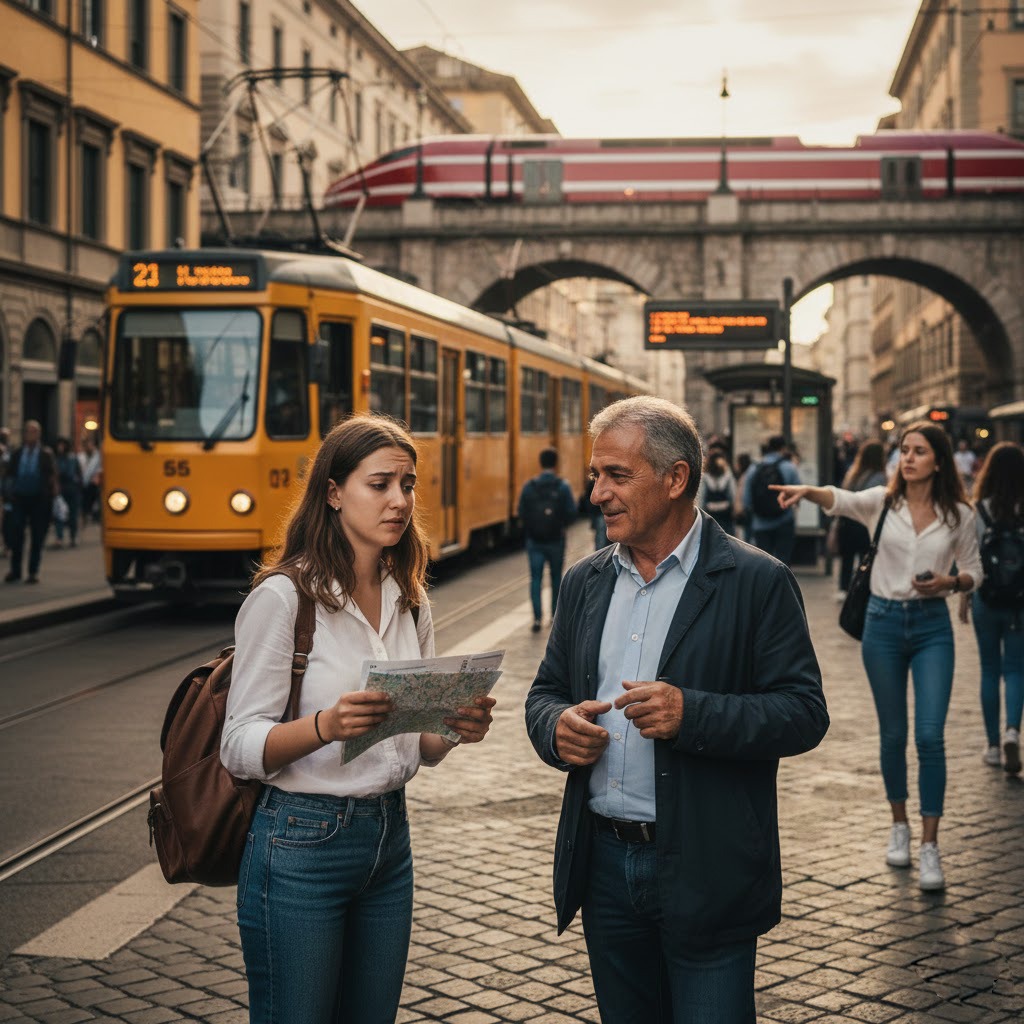
There is a sense of shared space. Strangers help each other. If you look lost, someone will usually notice. You may not understand the language, but you will understand the meaning.
And yes, sometimes things go wrong. Trains are running late. The routes of buses are changed.But there is an unspoken agreement that everyone just deals with it and moves on.
Long-Distance Buses: A Budget Option
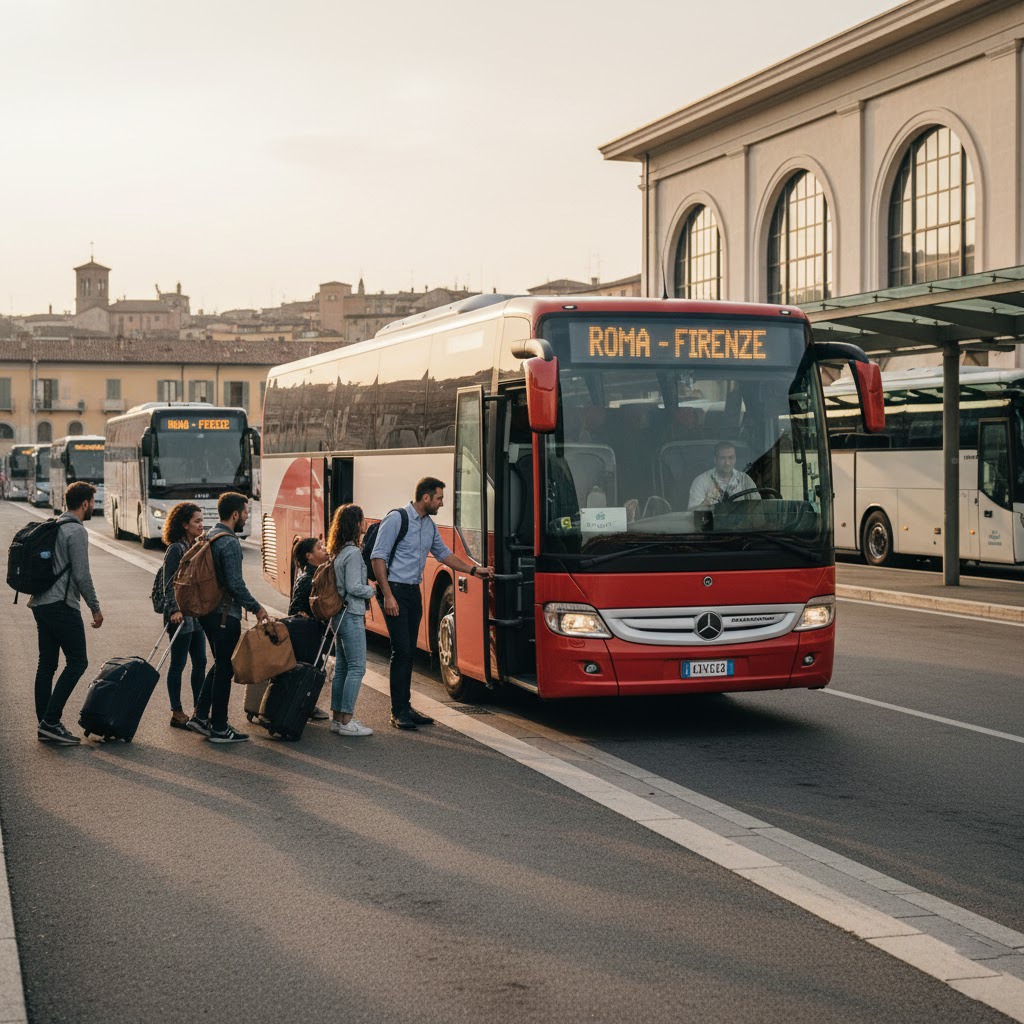
For low-budget travelers, long-distance buses like FlixBus are common. They are slower than trains, but cheaper, and they reach cities where trains do not always connect directly.
They’re not luxurious, but they are practical. Nighttime routes are common, and they are widely used by students and workers.
Regional Differences You’ll Notice
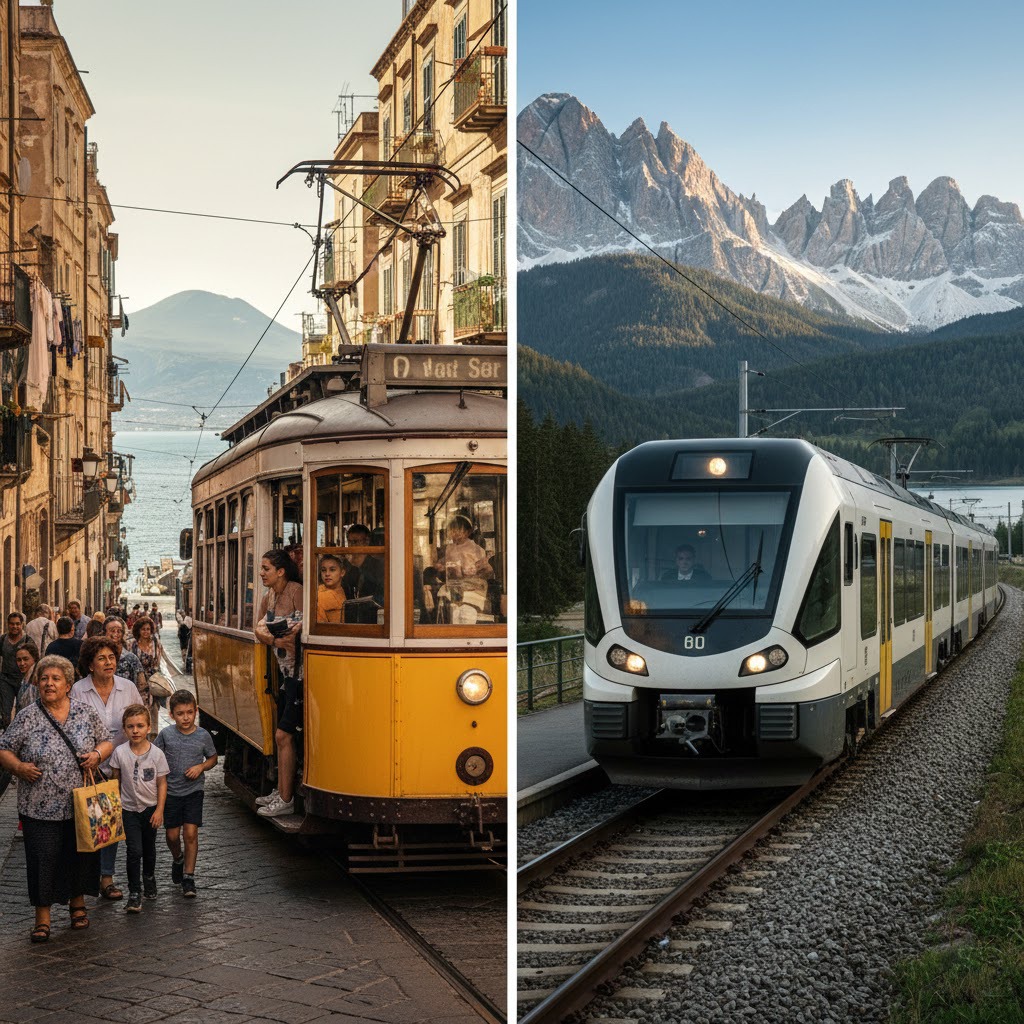
Public transport in Italy is not the same everywhere. Northern regions are more organized and punctual. The southern regions are hotter, noisier, and more relaxed in terms of schedule.
Neither of these is better – just different. In smaller cities, buses may run only a few times a day. Planning makes more sense outside big cities. Asking locals is often more reliable than checking timetables online.
Tips That Make Everything Easier
- Arrive early especially for trains
- Keep your ticket for inspection
- There are not always lifts at travel light-stations
- Ask for help—Italians are more helpful than their reputation suggests
- Don’t worry if plans change—they change often
Is Public Transport in Italy Good?
sincerely?
Yes. Is it perfect? No, but it doesn’t have to be that way. It is human, flexible and deeply connected to everyday life. Public transport in Italy doesn’t just take you from one place to another – it shows you how people live.
You will see children going to school, workers going home, grandparents meeting family. You’re not just passing through Italy. You are, in essence, part of it. And this is what makes the journey here real.
Final Thoughts
Understanding public transportation in Italy isn’t limited to remembering the rules. It’s about seeing, embracing and accepting that things don’t always go according to plan – and that’s okay. Once you let go of expectations and trust the system, Italy opens up in ways you didn’t expect. And between the stations, platforms and crowded buses, you realize that you are not just travelling. you are living it