

Healthcare System in Italy for Foreigners
Moving to a new country always brings excitement — but also an unspoken concern that most people don’t talk about enough: healthcare.
When I arrived in Italy, I remember thinking, “What happens if I get sick here? Where will I go? How much will this cost me?”
If you’re asking the same questions, you’re not alone.
The healthcare system for foreigners in Italy is actually one of the strongest in Europe – but only if you understand how it works. This guide explains everything clearly, without jargon, so you know exactly what to expect in 2026.
How the Italian Healthcare System Works
Italy has a healthcare system that covers everyone, which they call the Servizio Sanitario Nazionale (SSN). It is taxpayer-financed and intended to provide people with access to inexpensive — or free — medical care.
What surprises many foreigners is this:Italy’s healthcare is ranked among the best in the world, and it’s not just Italians.
Once you are legally registered, you can access:
- General physicians (GPs)
- Emergency care
- Hospital treatment Specialized
- visits Maternity care Prescription (subsidized)
medications The quality is high, but the system works differently to the US, UK or Asia – so it’s essential to understand the rules.
Is Healthcare Free in Italy for Foreigners?
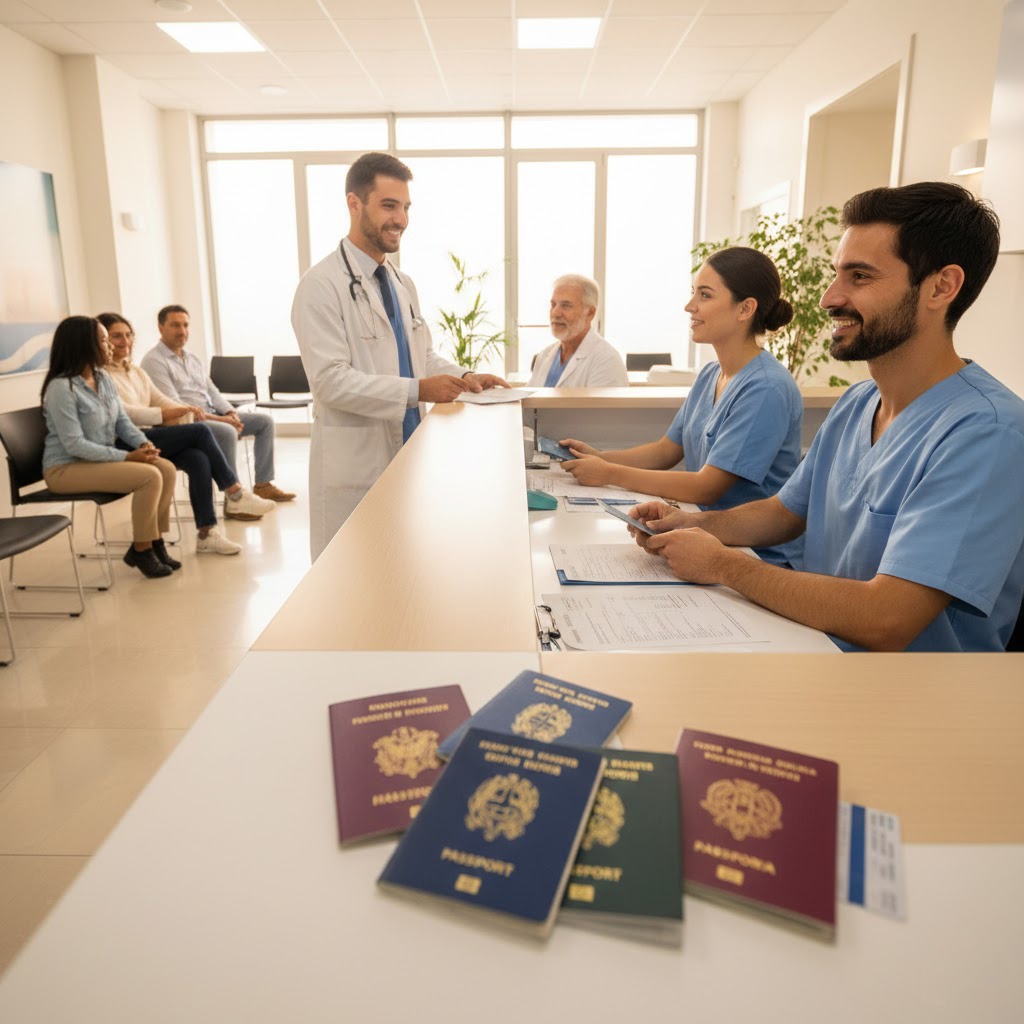
This depends on your visa and residency status. Healthcare in Italy is not automatically free, but it is very affordable as long as you are properly registered.
Here’s how it breaks down:
EU citizens
If you are from an EU country:
- You can use your EHIC (European Health Insurance Card) temporarily
- Once you become a resident, you register with the SSN like the Italians
Non-EU citizens
Non-EU foreigners must:
- Have a valid residence permit
- Register for SSN
- Purchase private health insurance (in some cases)
Once registered, you receive a health card (Tessera Sanitaria).
Registering with the Italian National Health Service (SSN)

Registering with the SSN is the fundamental step to access public healthcare.
Who can register for SSN?
You can register if you are:
- A worker (employed or self-employed)
- A student
- A family member of an Italian resident
- A long-term resident
- A refugee or humanitarian permit holder
Documents you will need:
- Residence permit (Permesso di Soggiorno)
- Tax code (Codice Fiscale)
- Proof of address
- Passport
Registration is done at the local ASL (health authority) office.
Healthcare Costs in Italy (What You Actually Pay)
One of foreigners’ biggest fears is the cost.The reality is reassuring.
Public health costs Most services are:
- Free or very low cost
- Some visits require a small co-payment (Ticket)
Typical costs:
- Visit to the GP: Free
- Specialist visit: 20€–40€
- Emergency service: Free if urgent
- Hospital stay: Free
Annual SSN contribution (if required)
Some foreigners (such as students or elective residents)
pay a voluntary annual fee:
Around 150 to 400 euros per year This is not monthly. That’s per year.
Private Healthcare in Italy: Is It Better?
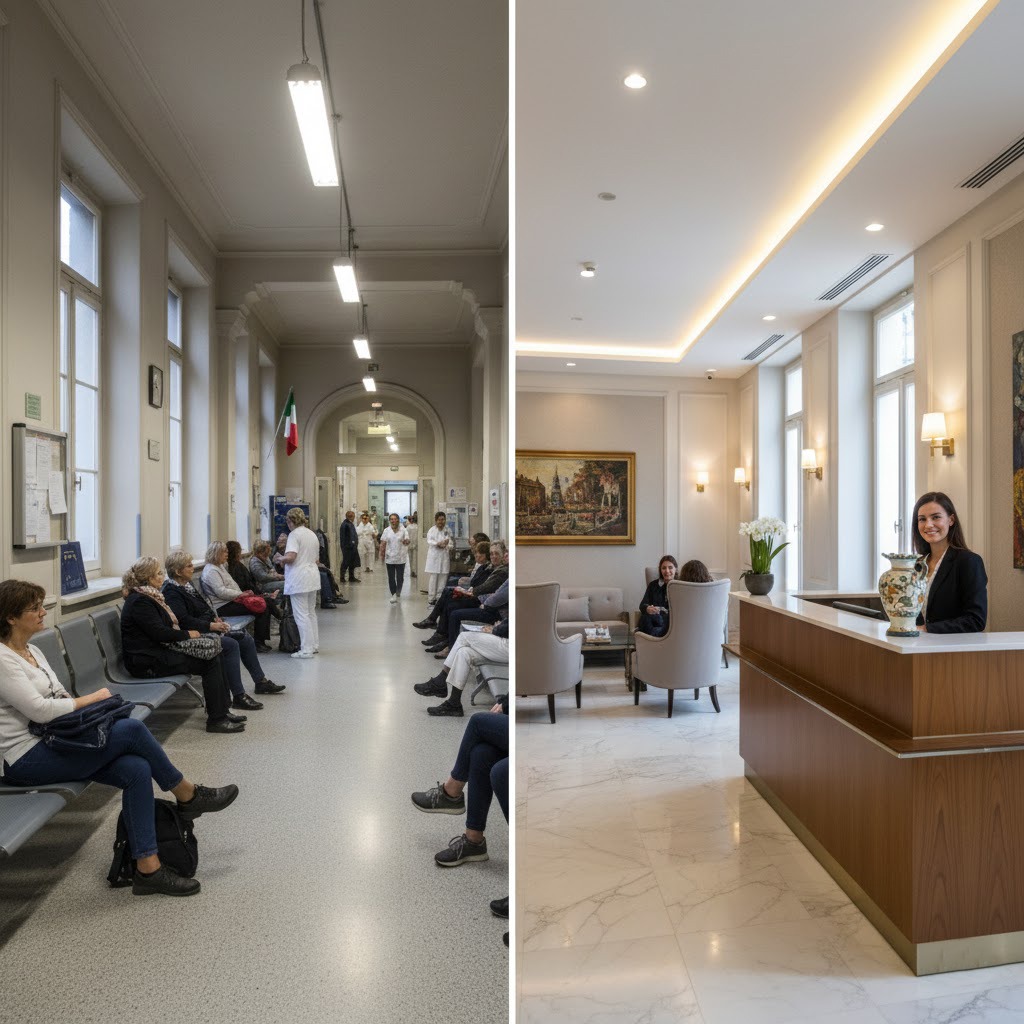
Italy also has an excellent private healthcare sector.
Many foreigners choose private care because:
- Appointments are faster
- Doctors usually speak English
- Clinics are modern and efficient
Private healthcare costs:
- Visit to the family doctor: €60 – €100
- Specialist visit: €100–€200
- Private insurance: €30–€100/month
Many people mix the two systems – public for primary care, private for speed.
Emergency Healthcare in Italy (Very Important)

Emergency care in Italy is never denied, regardless of your status.
Emergency number: 112
Emergency rooms are also known as Pronto Soccorso
Treatment is free, should you require immediate care Even migrants with no residency can get treatment in an Emergency treatment is offered to all individuals – regardless of one’s citizenship status or nationality.
Healthcare for Students in Italy

International students must have health coverage.
Options:
- Register with SSN (recommended)
- Private insurance (often required for visa)
Most students choose the SSN because it is cheaper and more reliable in the long run.
Healthcare for Workers and Digital Nomads
If you work legally in Italy:
- SSN registration is mandatory
- Contributions are usually included in your taxes
Digital Nomads:
- Must present private insurance for Visa
- You can later register with the SSN
once you are a resident This is a big advantage of working legally in Italy.
Prescriptions and Pharmacies in Italy
Pharmacies (Farmacia) are everywhere in Italy.
- Prescription medications are subsidized
- Many medications do not require a prescription
- Pharmacists are highly trained and helpful
Look for: Green cross sign
“Pharmacy” sign
Common Problems Foreigners Face (And How to Avoid Them)

Let’s be honest: Italy isn’t perfect.
Common problems:
- Long waiting times for specialists
- Language barriers
- Bureaucratic delays
How to avoid frustration:
- Choose a good family doctor
- Use private assistance when necessary
- Keep copies of all documents
Ask for help at the ASL offices Patience goes a long way in Italy.
Is Italy’s Healthcare System Good for Foreigners?
The healthcare system in Italy for foreigners is not something to fear – it is something to prepare for.
If you:
- Register correctly
- Keep your documents organized
- Choose the right insurance
You will have access to one of the best healthcare systems in Europe at a fraction of the cost of many other countries. Italy may test your patience, but when it comes to healthcare, it really has you covered.
From experience and feedback, the answer is yes.
Pros: ✔ Accessible
✔ High medical standards
✔ Universal access
✔ Strong emergency care
Cons: ✖ Bureaucracy
✖ Waiting times
Once you understand the system, it becomes one of the biggest advantages of living in Italy.
Final Thoughts: What You Should Know Before Moving
The healthcare system in Italy for foreigners is not something to fear – it is something to prepare for.
If you: Register correctly
Keep your documents organized
Choose the right insurance
You will have access to one of the best healthcare systems in Europe at a fraction of the cost of many other countries. Italy may test your patience, but when it comes to healthcare, it really has you covered.