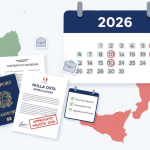


Picture this: You’re sipping an espresso in a sun-drenched piazza in Bologna, your laptop open, deadline met, and the rest of your afternoon free to explore medieval streets. Sounds like a dream, right? Well, Italy’s digital nomad visa is making this fantasy a reality for remote workers in 2026—and I’m here to walk you through everything you need to know.
If you’ve been daydreaming about trading your home office for a terrace overlooking the Tuscan hills, you’re not alone. Italy’s digital nomad visa has become one of the hottest tickets for location-independent professionals who want to blend work with world-class food, culture, and—let’s be honest—unbeatable Instagram backdrops.
But before you start packing your bags and practicing your “Ciao!”, let’s get into the nitty-gritty of what this visa actually entails, who qualifies, and how you can make your Italian remote work dreams come true.

What Exactly Is Italy’s Digital Nomad Visa?
Italy’s digital nomad visa is essentially your golden ticket to live and work remotely in one of Europe’s most enchanting countries. Launched to attract skilled remote workers, this visa lets non-EU citizens set up shop in Italy for up to a year (with the possibility of renewal) while continuing to work for foreign employers or clients.
The key word here? Foreign. You can’t work for Italian companies on this visa—it’s strictly for those earning their paychecks from outside Italy’s borders. Think of it as Italy’s way of saying, “Come enjoy our lifestyle, just keep your boss somewhere else.”

Who Can Actually Get This Visa?
Here’s where things get specific. Italy isn’t just handing these visas out to anyone with a laptop and wanderlust. You need to tick several boxes:
You must be a non-EU/EEA citizen working remotely for companies or clients outside Italy. Sorry, EU folks—you’ve already got freedom of movement, so this one’s not for you.
You need qualifications. Either a university degree or 3-5 years of professional experience in your field. Italy wants to ensure you’re a skilled professional, not just someone hoping to figure it out as they go.
Income matters—a lot. You’ll need to prove you earn at least €28,000 to €33,500 annually. That’s roughly €2,300-€2,800 per month. And if you’re bringing family? That threshold goes up for each dependent. Italy wants to make sure you can actually afford that espresso habit.

The Money Talk: Income Requirements Explained
Let’s be real—the income requirement is often the make-or-break factor. Italy isn’t playing around here. You need solid proof of stable income through employment contracts, client agreements, or bank statements showing consistent deposits.
If you’re a freelancer juggling multiple clients, you’ll need to demonstrate that your combined income hits that magic number. Pro tip: Start organizing your financial documentation now. Italian bureaucracy has a reputation, and you don’t want to scramble at the last minute.
Bringing your partner or kids? Budget for higher proof of income—typically an additional 20-30% per dependent. Italy wants assurance you won’t become a financial burden on their system.

Your Document Checklist: What You’ll Actually Need
Here’s where I tell you to channel your inner Marie Kondo, but for paperwork. You’ll need:
- Valid passport (at least 6 months validity remaining)
- Proof of income (contracts, tax returns, bank statements—the more comprehensive, the better)
- Proof of accommodation in Italy (rental agreement, hotel booking, or a letter from your Italian friend offering you a place)
- Health insurance with coverage valid in Italy for your entire stay
- Criminal record check from your home country (and any country you’ve lived in for 6+ months recently)
- Professional qualifications (diploma, degree certificates, or proof of work experience)
- Translated documents (everything not in Italian needs official translation)
I know, I know—it’s a lot. But think of it as the price of admission to your Italian adventure.

Where and How to Apply
You can’t just show up in Rome and sort this out. Applications go through Italian consulates in your home country, so you’ll need to book an appointment well in advance. Processing times typically run 30-90 days, though I’ve heard of cases going longer during busy seasons.
My advice? Start the process at least 3-4 months before your planned move. Italian bureaucracy moves at its own pace—think leisurely passeggiata, not sprint.

Health Insurance: Non-Negotiable
Italy requires private health insurance that covers you for the full duration of your stay. We’re talking comprehensive coverage here—medical expenses, emergency evacuation, the works. Options like SafetyWing Nomad Insurance or Heymondo are popular among digital nomads because they’re designed specifically for this lifestyle and meet Italy’s requirements.
Don’t even think about skipping this or planning to “figure it out later.” No valid insurance = no visa. Period.
What Happens When You Arrive?
Congratulations, you’ve got your visa! But wait—there’s one more bureaucratic hurdle. Within 8 days of arriving in Italy, you need to apply for your Permesso di Soggiorno (residence permit) at your local post office or police station. Yes, the post office. Italy works in mysterious ways.
This permit is your proof of legal residence and you’ll need it for everything from opening a bank account to signing a long-term rental agreement.

Can Your Family Tag Along?
Absolutely! Spouses, partners, and kids can join you under family reunification provisions. You’ll just need to prove higher income to support them and provide their documentation too. It’s more paperwork (surprise!), but totally doable.
How Long Can You Stay?
The visa is initially valid for 1 year, but here’s the good news: it’s renewable for up to 2 years total. Plus, as a visa holder, you get Schengen access, meaning you can hop around Europe during your weekends and work breaks.
Want to stay longer than 2 years? You’d need to look into other visa options, but for most digital nomads, a year or two of Italian living is the sweet spot before the next adventure calls.

What’s Changed in 2026?
Honestly? Not much. The core requirements remain stable, which is actually great news—it means fewer surprises. The visa operates outside Italy’s annual quota system (Decreto Flussi), so there’s no cap on how many can be issued. Your application stands on its own merits, not on whether Italy’s hit some arbitrary number.
Best Italian Cities for Digital Nomads
While you can technically live anywhere in Italy, some cities are more nomad-friendly than others:
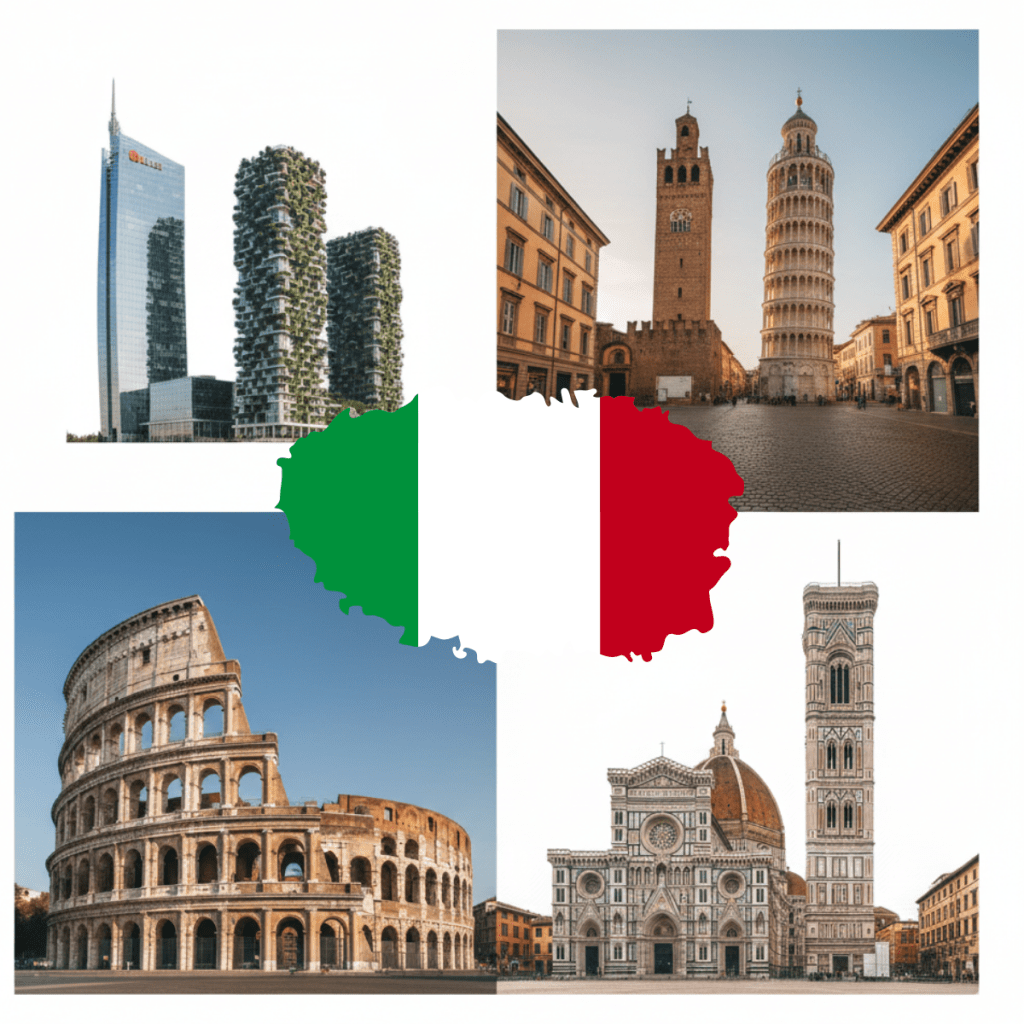
Milan offers the best coworking infrastructure and fastest internet, though it’s pricier.
Bologna gives you that perfect blend of student energy, incredible food, and more affordable living.
Rome is, well, Rome—but be prepared for chaos alongside the history.
Florence is gorgeous but touristy and expensive.
Check out Nomad List for detailed breakdowns of costs, internet speeds, and nomad communities in different Italian cities.
The Real Cost Beyond the Visa
Let’s talk money beyond the income requirement. The visa application fee itself is relatively modest (usually under €200), but you’ll spend more on:
- Document translations and certifications: €200-500
- Health insurance: €50-150/month
- Flights and initial accommodation: Variable
- Cost of living in Italy: €1,500-3,000/month depending on city
Budget accordingly, and remember that Rome and Milan are significantly pricier than smaller cities.

Digital Nomad Visa vs. Elective Residency
Sometimes people confuse Italy’s digital nomad visa with the elective residency visa. Here’s the difference: elective residency is for people who don’t work and have passive income (think retirees). The digital nomad visa is specifically for active remote workers. Make sure you’re applying for the right one!
Tips from Someone Who’s Been There
After researching countless nomad experiences, here’s what consistently comes up:
Start your application early. Like, months early. Italian consulates move slowly.
Over-document everything. Think you have enough proof? Get more. Italy loves paperwork.
Learn some Italian. You don’t need fluency, but basic Italian will make your life infinitely easier, especially with bureaucracy.
Join digital nomad communities. Facebook groups and Reddit threads are goldmines for current info and moral support.
Be patient. Italy will test your patience. Deep breaths and remember why you’re doing this—aperitivo by the Arno is worth it.
Your Next Steps
Ready to make this happen? Here’s your action plan:
- Check your eligibility against the requirements above
- Gather your documents (start with the easy ones like passport copies)
- Research health insurance options and get quotes
- Contact your nearest Italian consulate to understand their specific requirements
- Book your appointment as soon as possible
- Start learning Italian (Duolingo is free and actually pretty good)
The Italy digital nomad visa isn’t the easiest to get, but it’s absolutely worth the effort. Where else can you take a work call with the Duomo as your backdrop, break for a proper three-course lunch, and still have time to explore ancient ruins before sunset?
Italy is waiting. Your aperitivo is getting warm. Time to start that application.

Ready to take the leap? Drop a comment below with your biggest question about Italy’s digital nomad visa, or share your own experience if you’ve already made the move. And if you found this guide helpful, bookmark it—you’ll want to reference it when you’re deep in the application process!
Buona fortuna, future Italian resident. 🇮🇹