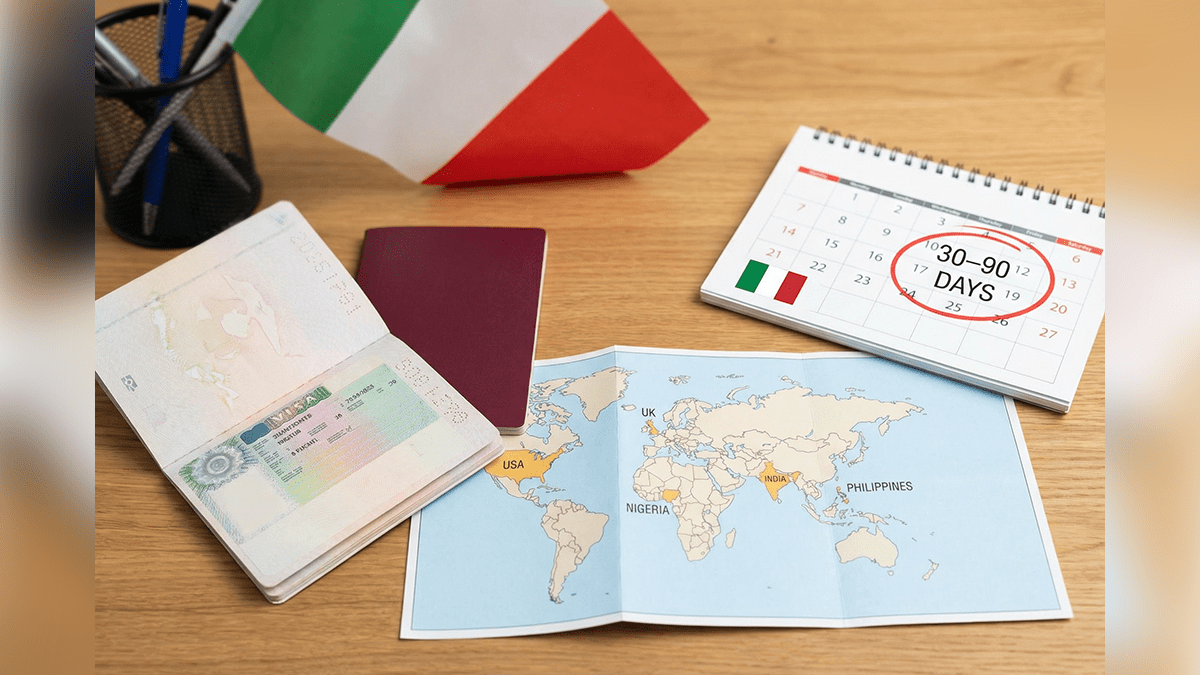

Italy work visa processing time varies dramatically depending on your country of application,but most applicants wait between 30 to 90 days for approval. Planning to work in Italy? I’ve spent months researching this,talking to expats, and digging through embassy data and honestly,the timeline can be frustratingly unpredictable depending on where you’re applying from.
Let me walk you through everything you need to know about processing times in 2026, broken down by country and visa type, so you can plan your move realistically.
How Long Does an Italy Work Visa Actually Take?
Here’s the frustrating truth: there’s no one-size-fits-all answer. The standard processing time for an Italian work visa ranges from 30 to 90 days, but I’ve seen cases wrapped up in three weeks and others dragging on for five months.
The timeline depends on three major factors:
- Your home country and the specific Italian consulate handling your application
- The type of work visa you’re applying for
- Whether your employer has already secured the nulla osta (work authorization) from Italy
Most people forget about that last part. Before you even apply at the consulate, your Italian employer needs to get approval from the immigration office (Sportello Unico) back in Italy. That alone can take 30-60 days.
Italy Work Visa Processing Times by Country

United States
Average processing time: 15-30 days
Americans generally experience faster processing times. The Italian consulates in New York, Los Angeles, and San Francisco are well staffed and efficient.I spoke with Sarah, a graphic designer from Portland, wh o got her visa approved in just 18 days through the San Francisco consulate.
Pro tip: Book your appointment early. Wait times for appointments can stretch 4-6 weeks during peak season September-November.
United Kingdom
Average processing time: 20-45 days
Post-Brexit, UK citizens now need work visas for Italy. Processing has been surprisingly smooth, though London’s consulate gets overwhelmed during summer months.The Manchester and Edinburgh consulates typically move faster.
India
Average processing time: 60-90 days
Indian applicants face longer waits,mainly due to high application volumes at consulates in Delhi,Mumbai, and Bangalore. The verification process is more thorough, and background checks take additional time.
Rajesh,an IT consultant I connected with, waited 78 days for his visa through the Mumbai consulate.His advice? “Submit absolutely everything they ask for even documents they say are optional. Any missing paper adds another month.”
Philippines
Average processing time: 45-75 days
Filipino workers, especially those in hospitality and caregiving, should expect a two-month wait minimum. The Manila consulate processes hundreds of applications monthly, creating backlogs.
Australia
Average processing time: 20-35 days
Australians enjoy relatively quick processing through the consulates in Sydney and Melbourne. The working holiday visa relationship between countries seems to smooth the path for work visas too.
Canada
Average processing time: 25-40 days
Canadian applicants experience moderate wait times. The Toronto consulate handles most applications efficiently, though Montreal can be slightly slower during winter months when fewer staff are available.
Nigeria
Average processing time: 90-120 days
Nigerian applicants face some of the longest processing times.
Extensive documentation requirements and security checks mean you’re looking at three to four months realistically.Plan accordingly and apply well before your intended start date.
Different Visa Types, Different Timelines
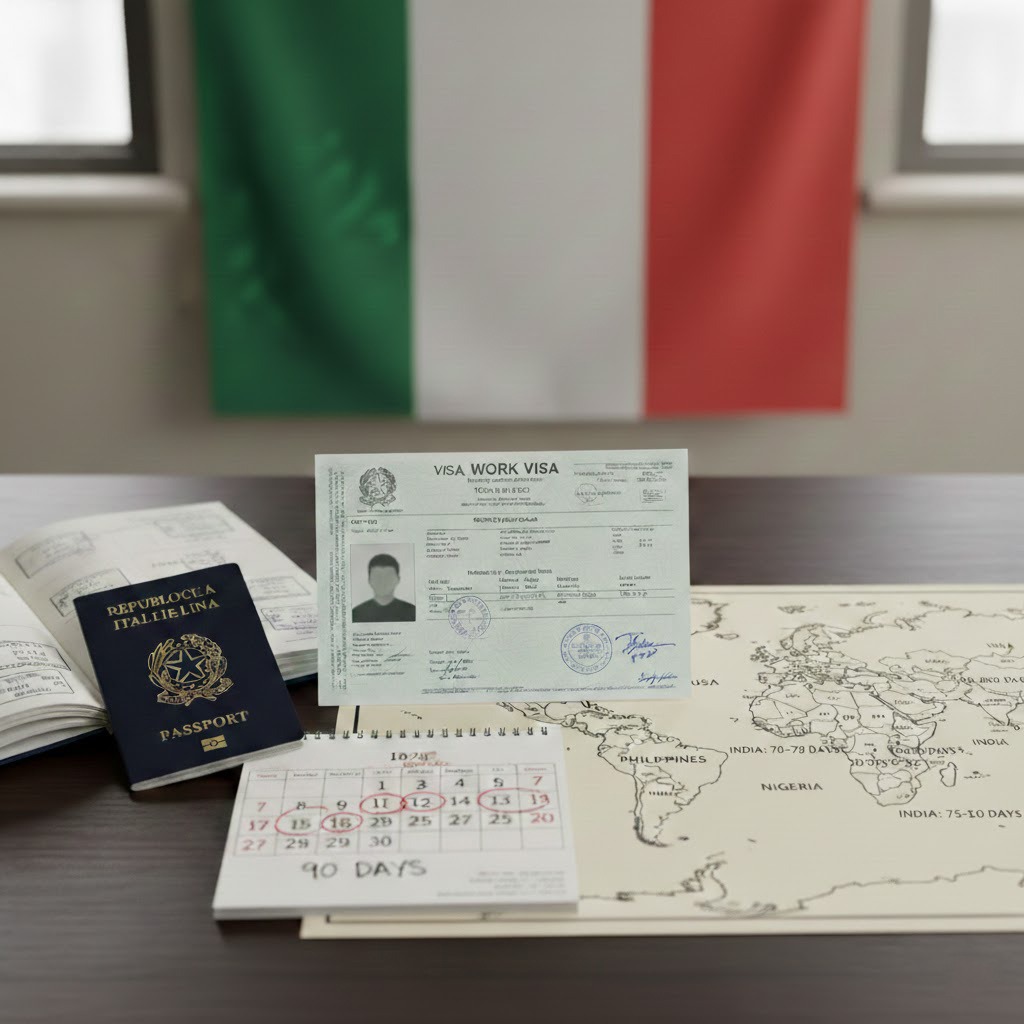
Seasonal Work Visa (Visto Stagionale)
Processing time: 15-30 days
These are the fastest because they’re temporary and the quotas are clearly defined. Tourism and agriculture sectors use these heavily.
Subordinate Work Visa (Lavoro Subordinato)
Processing time: 30-60 days
These are the fastest because they’re temporary and the quotas are clearly defined. Tourism and agriculture sectors use these heavily.
Subordinate Work Visa (Lavoro Subordinato)
Processing time: 30-60 days
This is your standard employee visa. Once your employer has the nulla osta, the consulate portion moves relatively quickly.
Self-Employment Visa (Lavoro Autonomo)
Processing time: 60-90 days
Freelancers and entrepreneurs, prepare for a wait. Italy scrutinizes these applications carefully because they want to ensure you won’t become a financial burden. You’ll need to prove substantial savings and existing client contracts.
EU Blue Card
Processing time: 30-45 days
Highly skilled workers with job offers above the salary threshold (around €28,000 annually in 2026) can apply for the EU Blue Card through Italy. Processing is prioritized since Italy wants to attract skilled talent.
What Actually Slows Down Your Application?
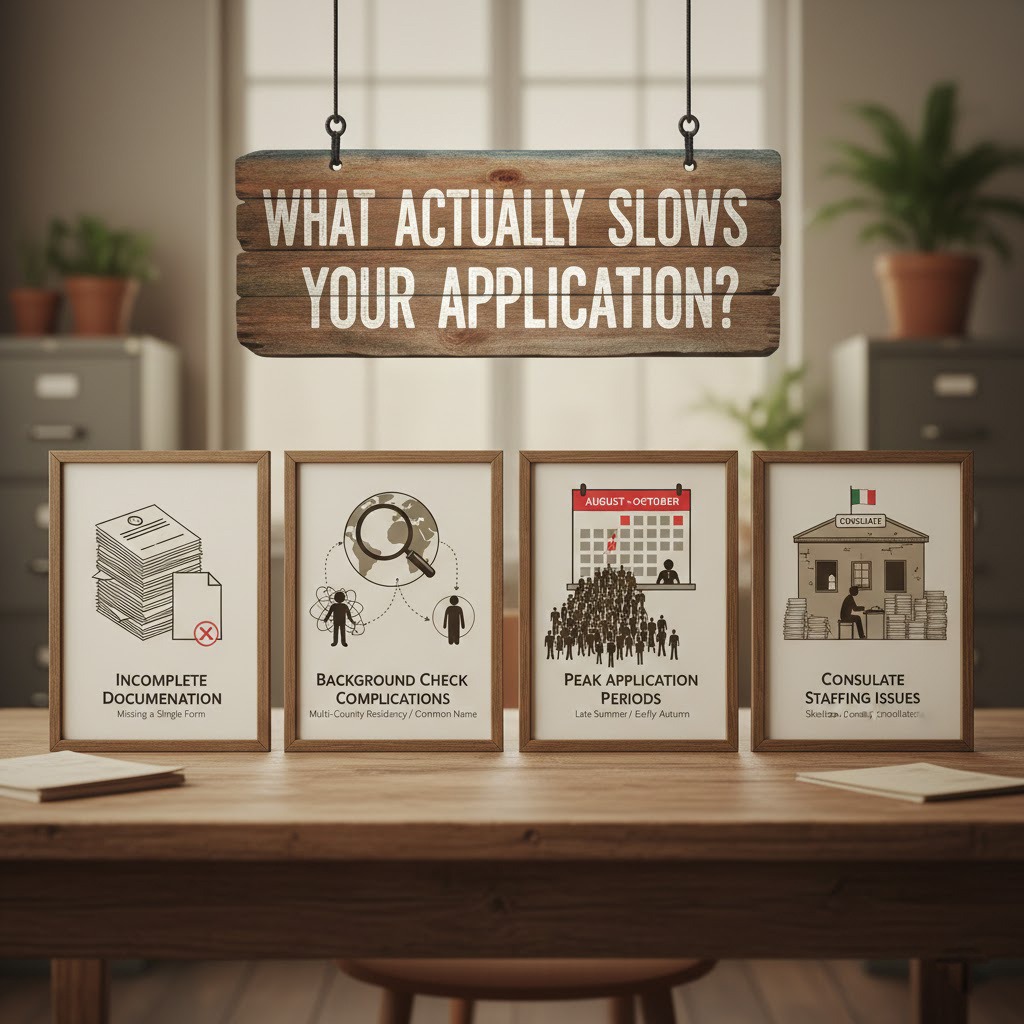
After researching hundreds of cases, here’s what causes delays:
Incomplete documentation tops the list. Missing a single form or certificate sends you back to square one. The Italian bureaucracy doesn’t do partial approvals.
Background check complications hit applicants from certain countries harder. If you’ve lived in multiple countries or have a common name, expect additional verification time.
Peak application periods slow everything down. Late summer and early autumn see massive spikes when people want to start jobs in September or October.
Consulate staffing issues matter more than people realize. Some consulates operate with skeleton crews, especially smaller ones.
How to Speed Up Your Italy Work Visa

You cannot control the speed of consulates, but you can cut down on self-inflicted delays:
Begin the process at least four months before your planned relocation date. Yes, four months is a long lead time, but it gives you leeway for any unexpected delays.
Go over your documents three times with the consulate’s list in hand. Each consulate has its own slightly different requirements don’t think they’re all the same.
If you’re applying for self-employment or have a complicated case, think about hiring an immigration lawyer. The €800-1,200 charge could spare you months of frustration.
Save copies of everything you submit. You’ll need to supply them when you apply for a permesso di soggiorno (residence permit) after you arrive in Italy.
Final Reality Check
I mean, I get it, an Italy work visa is not fast. The nation’s bureaucracy is notorious, and processing times can try your patience. But thousands of people live through it each year.
My biggest piece of advice? Begin early, be complete, and don’t let online horror stories get into your head. Most applications are indeed approved they just take a while.
The wait is worth it. Italy’s work culture, quality of life and career opportunities make the paperwork marathon worth running.Just remember: planning ahead is your best friend in this process.
Frequently Asked Questions
How long does it take to get a work visa for Italy?
Italy work visa processing time ranges from 30 to 90 days depending on your nationality. US and UK applicants typically wait 15-45 days, while Indian, Filipino, and Nigerian applicants may wait 60-120 days.
What is the fastest Italy work visa to get?
The seasonal work visa (visto stagionale) processes in 15-30 days, making it the fastest option for temporary agricultural and tourism jobs.
Can I expedite my Italy work visa application?
No, Italian consulates don’t offer expedited processing. You can avoid delays by submitting complete documentation and applying during off-peak months (December-February).
Why is my Italy work visa taking so long?
Common delays include incomplete documents, background checks, peak seasons (September-November), and consulate staffing issues. Some nationalities face longer security verification.
What documents do I need for an Italy work visa?
You need a valid passport, nulla osta, job contract, accommodation proof, health insurance, financial statements, visa application form, photos, and fee payment receipt.
Do I need a job offer before applying for an Italy work visa?
Yes, your Italian employer must first secure a nulla osta (work authorization) from Italy’s immigration office before you can apply at the consulate.
How much does an Italy work visa cost?
The standard visa fee is €116 ($125-130 USD). Additional costs include document translations, authentication, and optional legal fees.
Can I work in Italy while waiting for my visa?
No, you cannot legally work in Italy while your visa is pending. You must wait for approval before entering Italy and starting employment.
What is a nulla osta and how long does it take?
A nulla osta is work authorization your employer obtains from Italy’s immigration office. It takes 30-60 days and is required before you apply for your visa.
Which Italian consulate should I apply to?
You must apply at the consulate with jurisdiction over your residence area. You cannot choose based on faster processing times.
How early should I apply for an Italy work visa?
Apply at least 4 months before your start date to account for nulla osta processing, appointment waits, and visa processing times.
Can I apply for an Italy work visa as a tourist?
No, you cannot convert a tourist visa to a work visa inside Italy. You must apply from your home country before traveling.
What happens after my Italy work visa is approved?
You receive a visa sticker valid for 90 days. After entering Italy, you have 8 working days to apply for your permesso di soggiorno at the local Questura.
Do I need to speak Italian to get a work visa?
No, Italian proficiency isn’t required for most work visas. Some self-employment visas may require language certification.
What is the success rate for Italy work visa applications?
Italy approves 85-90% of work visa applications when documentation is complete and the nulla osta is secured. Rejections usually stem from incomplete paperwork.
Can my family come with me on an Italy work visa?
Yes, you can apply for family reunification once you have your residence permit. You’ll need to prove adequate income and housing for dependents.