
Pickpocketing in Italy is a real concern for tourists and foreigners visiting major cities. Many people ask: Is Italy safe for tourists? This is one of the most looked up questions for those planning to trip through Italy, though the answer isn’t cut and dry. All in all, Italy is a safe place to visit it’s what you’re not expecting that may catch you off guard!
After living here and learning the beauty but also the reality of Italian cities, I can tell you what tour blogs won’t: You need to know exactly what you’re getting yourself into.
I wasn’t supposed to feel unsafe in Italy. I’d dreamed about cobblestone streets, gelato at sunset and that bumping into some effortless “la dolce vita” everyone raves about.
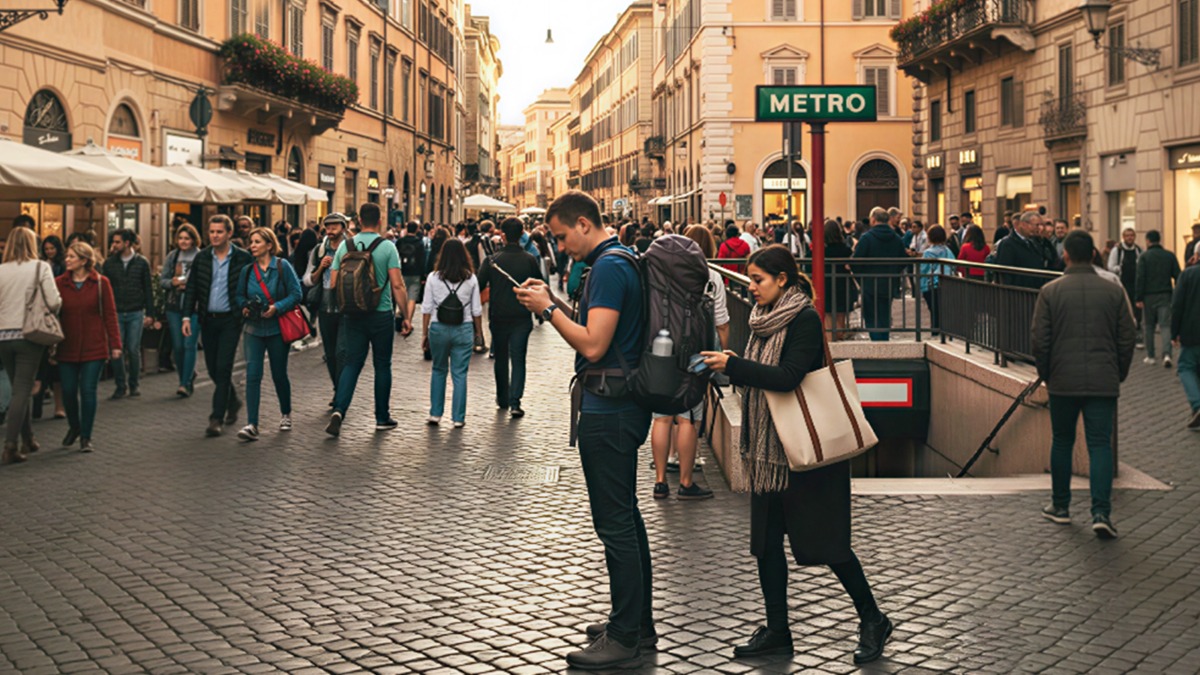
What I wasn’t prepared for was the time on the Rome Metro when one felt a hand slip into my jacket pocket cool, smooth, practiced so swiftly that by the time I whirled around it was already gone. My wallet was right there, but my idea that Italy is completely safe? Those disappeared instantly.
Fact is, it’s the dirty little secret no one includes in the travel brochures: Italy is relatively safe from violent crime, but tourists are magnets for petty theft. After sizing up countless travelers who made the same mistakes, I’ve learned that staying safe on the road isn’t about paranoia it’s about having an accurate understanding of how theft operates in Italian cities.
Why Tourists Get Targeted in Italy (And How Thieves Spot You)
In Italy, professional pick tries can pick out a tourist in seconds. They are searching for clear signals: the camera weighing down your neck, the humongous map you’re holding wrong side-up, the crooked head while figuring out how to use the Metro system. You may as well walk around with a sign saying: “Rob me, please.”
I learned this the hard way in Florence.Standing at the entrance of the Uffizi Gallery, I was so captivated by the architecture that I didn’t notice the woman who “accidentally” bumped into me as her companion unzipped my backpack.
A local shopkeeper shouted something in Italian and they dispersed. He later explained that they work as a team – one distracts, one steals, one blocks his view.
The truth is, cities like Rome, Milan, and Naples have organized theft rings. These aren’t desperate individuals stealing out of need they’re skilled professionals running an operation, with tourists as their main source of income.
The Most Common Scams and Theft Tactics in Italian Cities
Metro and Train Station Pickpockets
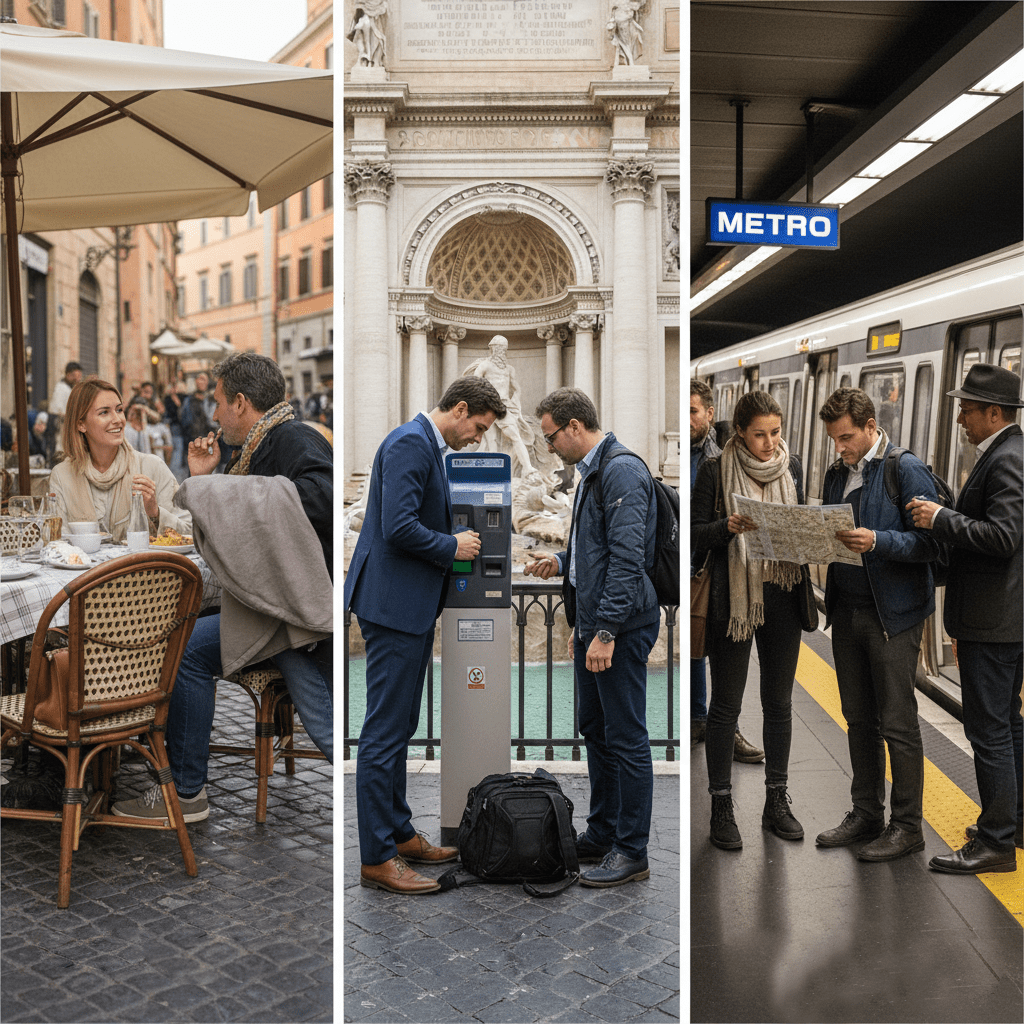
Many travelers are unaware of how pickpocketing in Italy operates on crowded metro trains. Rome’s Termini Station and Milan’s Centrale are pickpocket headquarters. The technique is brutally simple: wait until the train doors are about to close, grab whatever they can, and jump off while you’re stuck inside. I watched this happen to an elderly couple—their entire bag vanished in two seconds.
Crowded subway cars are even worse.Thieves press in on you during rush hour, and you can’t tell if someone is cramping or going through your pockets. My friend lost her phone on the Naples metro because she kept it in her back pocket. Classic mistake.
The “Helpful” Stranger Scam
Someone approaches offering to help with your train ticket, takes your money,and disappears. Or they “accidentally” spill something on you, then rob you while apologizing and helping clean up. In Venice, people dress in official-looking uniforms and claim you need to pay a tourist tax complete fabrication.
The bracelet scam is everywhere around tourist landmarks.Someone ties a “friendship bracelet” on your wrist, then demands payment and won’t let go until you pay. It’s aggressive, uncomfortable, and designed to catch you off guard.
Restaurant and Cafe Theft
You’re sitting at an outdoor cafe in Rome,your bag on the chair beside you or hanging on the back.Someone walks by, grabs it, and they’re gone before you finish your cappuccino.
I saw this happen at a cafe near the Trevi Fountain the woman didn’t even realize her purse was gone until the waiter asked if she was paying with cash or card.
Real Safety Tips That Actually Work (From Someone Who Lives Here)
Rethink How You Carry Your Valuables
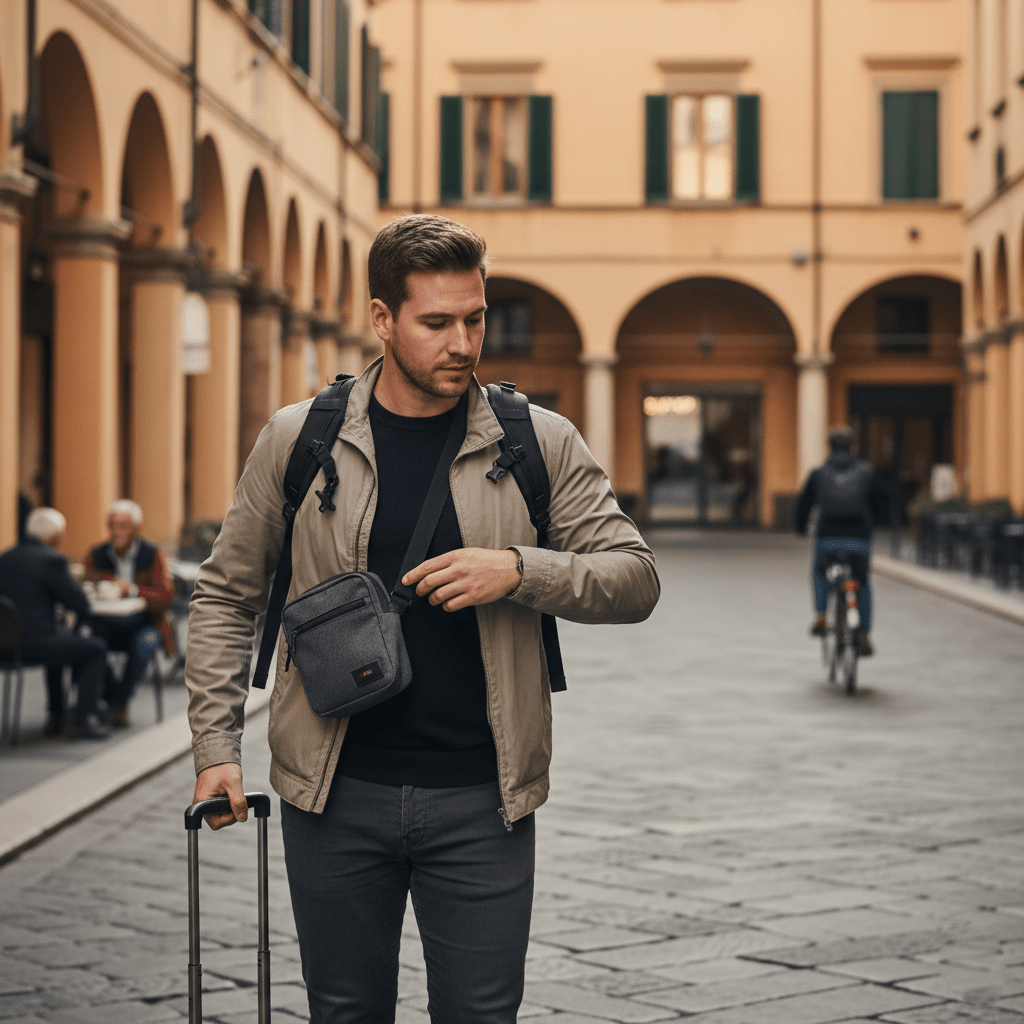
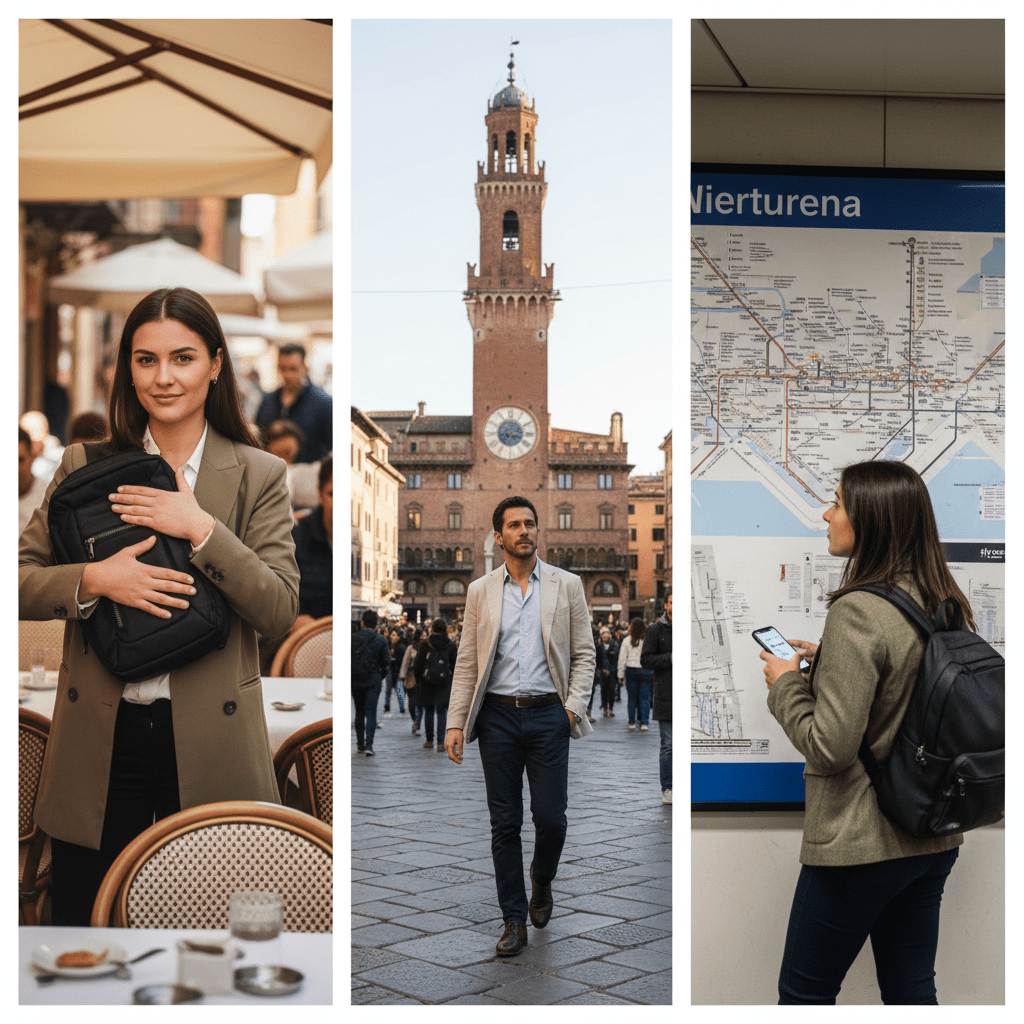
Forget everything about being fashionable. That designer purse makes you a target.Get a proper anti-theft bag with slash-proof straps and hidden zippers, or better yet, use a money belt under your clothes.I know it feels touristy and uncomfortable, but you know what’s more uncomfortable? Filing a police report in broken Italian.
Keep your phone in your front pocket or in a zipped internal jacket pocket—never, ever in your back pocket. The same goes for wallets.
When I’m on public transport, I literally keep my hand over my pocket. Does it look paranoid? Maybe.Have I been pickpocketed since I began doing this? Definitely not.
Master the Art of Blending In
Stop looking like you just got off a tour bus. Italians dress well, but discreetly. Ditch the cargo shorts, fanny pack, and baseball cap combo. Learn some basic Italian phrases – even if just “buongiorno” and “grazie” will change how locals see you.
Watch where the Italians sit on the Metro and follow their lead. They avoid certain cars and positions for a reason. Notice how they hold their bags in crowded spaces? Copy that. Local knowledge is your best defense.
Be Smart About Technology and Expensive Items
Your new iPhone is basically a flashing neon sign. Consider taking an old phone for a walk and keep your expensive camera in a non-descript bag. When you pick up your phone to take photos, stay alert. I’ve seen thieves on Vespas steal phones from tourists in Naples.
Never leave your belongings unattended, not on the beach, not in a restaurant, not even while taking a selfie. This “just for a second” is exactly when the robbery happens. Always close your bags completely. An open zipper is an invitation.
What to Do If You Actually Get Robbed

First, don’t run after the thief it’s not worth risking injury over a phone or wallet. In Italy, thieves may work with violent accomplices, and escalating things can quickly turn a petty theft into something dangerous.
Get in touch with the police asap. if none of this happened your insurance claim will require a report. You go to the local police station (Carabinieri or Polizia) and file a denuncia. Expect bureaucracy and pack your patience.
IMMEDIATELY cancel your cards through their international numbers (save these in a note on your phone, not in your wallet).
Call your embassy if your passport was stolen.The US Embassy in Rome and consulates in Milan,Florence, and Naples can issue emergency passports. Keep photocopies or digital copies of all important documents stored separately from the originals.
The Areas Where You Need Extra Caution
Rome Termini Station, the area around the Colosseum and Metro Line A are hotspots for pickpockets. In Milan, look out for the Centrale Station and the Duomo area.
Naples calls for a bit of extra caution. In general, the city has higher crime rates than Rome or Florence, especially around the port and train stations.
Barcelona (I’m including this because many Italy trips include Spain) has even more aggressive theft.The Las Ramblas area is notorious. Venice’s crowded streets during tourist season are prime pickpocket territory, especially near San Marco Square.
Is Italy Actually Dangerous? The Honest Answer

Here’s what no one wants to admit: Italy isn’t dangerous in the traditional sense. It’s extremely unlikely that you’ll experience violent crime. What’s far more common is opportunistic theft, usually targeting tourists who aren’t fully paying attention.
Compared to many other countries, Italy has low levels of serious crime — but property crimes against tourists are a real and common issue.
I’ve lived in Milan for two years and I’ve never felt physically unsafe walking around at night. But three friends lost their belongings to pickpockets and I personally encountered several scam attempts.This is the reality of tourist areas in Italy.
The difference between people who have terrible experiences and those who don’t usually comes down to awareness. Stay alert, trust your instincts, and don’t let your guard down in crowded tourist areas.Italy is absolutely worth visiting just visit smart.
Your trip to Italy should be about incredible food, stunning art, and memories that last forever. Don’t let preventable theft ruin that experience.Take basic precautions seriously, and you’ll be fine.
Frequently Asked Questions (FAQs)
Is Italy safe for tourists?
Yes, Italy is generally safe, especially when it comes to violent crime. However, tourists should be cautious of pickpocketing and scams in crowded areas.
Where does pickpocketing happen most in Italy?
Pickpocketing is most common in major tourist cities like Rome, Milan, Venice, Florence, and Naples especially near train stations, metros, and famous landmarks.
Are pickpockets violent in Italy?
Most pickpocketing incidents in Italy are non-violent. Thieves rely on distraction and speed rather than confrontation.
How can foreigners avoid being pickpocketed in Italy?
Use anti-theft bags, keep valuables in front pockets, stay alert in crowds, and avoid displaying expensive items.
What should I do if I get robbed in Italy?
Do not chase the thief. Report the incident to the police, cancel your cards immediately, and contact your embassy if your passport is stolen.
Is it safe to walk at night in Italy?
In most Italian cities, walking at night is generally safe, especially in central areas. Basic awareness is usually enough, but stay extra alert in poorly lit or crowded tourist zones.
Are tourists more targeted than locals in Italy?
Yes. Tourists are targeted more often because they are easier to identify and usually carry valuables, cash, and passports.