
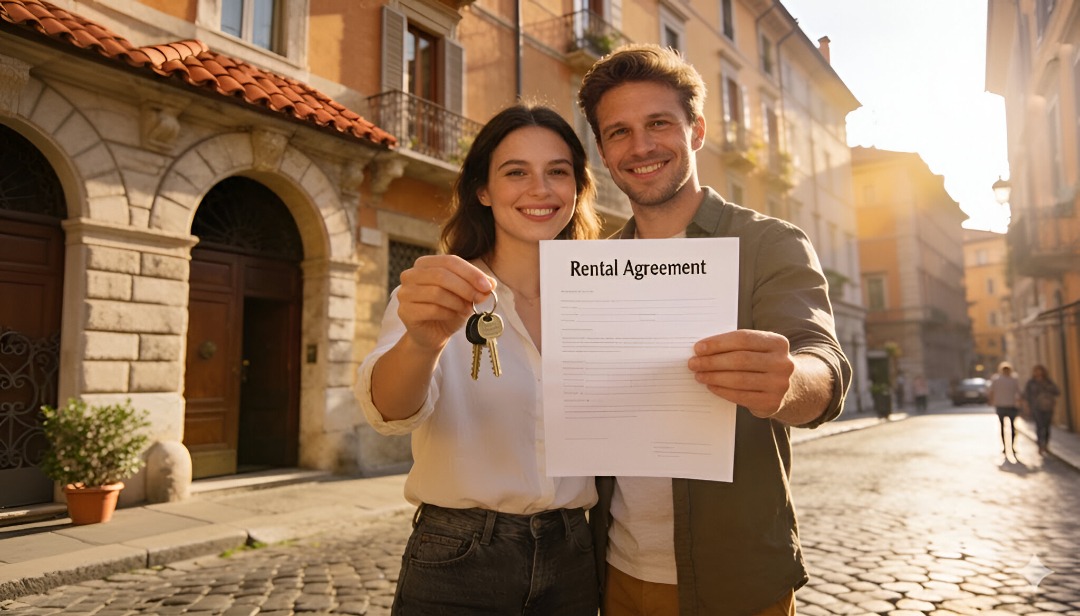

Rent an apartment in Italy as a foreigner

Renting an apartment in Italy as a foreigner in 2026 can be confusing if you don’t know the Italian rental system. Whether you are moving to Italy for work, study, family, or long-term stay, you must follow specific legal steps, provide the correct documents, and sign the right rental contract. In this step-by-step guide, you will learn exactly how foreigners can rent an apartment in Italy in 2026, avoid rental scams, and secure a legal home.
If you are thinking of moving to Italy, yes the very idea may seem like a romantic dream that’s drenched in Chianti or whatever stereotype floats your gondola until you find yourself in an Italian real estate agency sweating through three layers of shirt while trying to articulate why you don’t have an Italian tax code yet. I’ve been there.
In Italy, searching for an apartment isn’t about scrolling through listings at home and arranging a viewing first thing tomorrow. It is a totally different animal, and really, no one tells you about half of it.
But here’s the thing: thousands of foreigners successfully rent apartments in Italy every year. You absolutely can do this. You just need to know what you’re walking into.
Understanding the Italian Rental Market in 2026
The Italian housing market thrives on relationships and paperwork, a whole lot of paperwork. It’s certainly less immediate than the rapid digital platforms you might be used to — the kind where you can swipe left, and spend an hour before you get to your appointment. That much is true when it comes to renting in Italy: There are face-to-face encounters, stamped documents, a level of bureaucracy that’ll probably try your patience.
Renting today in 2026 is a mixed bag depending on where you are looking. Milan and Rome? Competitive and expensive. Bologna and Florence? Demand also remains high in tight markets. Smaller cities in the south?More affordable but fewer options for foreigners.
The average rent for a one-bedroom apartment in city centers ranges from €600-€800 in smaller cities to €1,200-€1,800 in Milan or Rome. And landlords here aren’t just renting to anyone—they want guarantees you’ll pay and won’t trash the place.
Documents Required to Rent an Apartment in Italy
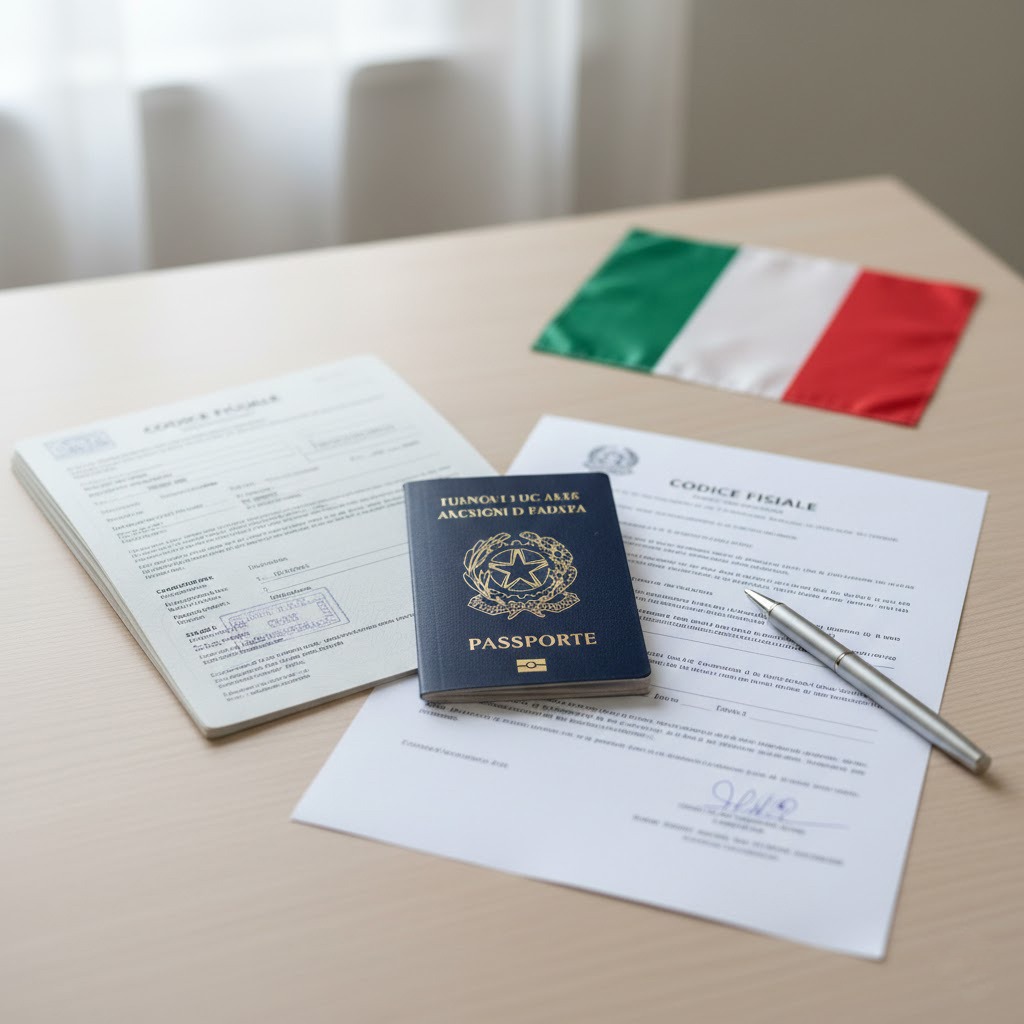
Don’t invest any more time: Start compiling these materials now, not when you eventually find that perfect place.
Your Codice Fiscale is your Italian tax-identification number, and you won’t be able to rent an apartment without it. The good news? It is free and pretty easy to obtain. Go to your nearest Agenzia delle Entrate with your passport and they’ll give it to you on the spot. It can sometimes be issued by some Italian consulates abroad before you have even arrived.
Proof of income is non-negotiable. Landlords will want to see you make around three times the monthly rent. Employment contracts are ideal, but if you’re self-employed bring bank statements covering the last three to six months. Retirement income counts, too — just have official documents translated into Italian.
A residence permit is necessary if you’re planning to stay for longer than 90 days. EU citizens will be worse off than Britons, though they’ll be able to take advantage of automatic residence rights; non-EU folk have the slightly more problematic permesso di soggiorno process. Start this immediately after arriving because it takes weeks, sometimes months.
Here’s something nobody tells you: many landlords will ask for a guarantor—someone who lives in Italy and can vouch for you financially. If you don’t have Italian friends or family, some agencies offer guarantor services for a fee. It’s annoying but sometimes necessary.
How to Find Apartments for Rent in Italy

Forget Zillow or Apartments. com. There’s an entire ecosystem of rental platforms in Italy, and it really matters where you look.
Immobiliare. it is the largest player — consider it Italy’s Zillow. The interface is almost entirely in Italian, though Google Translate comes to the rescue. From shared rooms to plush penthouses, you’ll find it all.
Idealista. runs a close second with the cleaner interface and marginally better filtering options. Their mobile app has been particularly helpful for receiving alerts when new listings meet your requirements.
Facebook groups seem so old-school but boy are they gold mines. Try Googling “[City name] appartamenti affitto” and “[City name] expats housing.” These groups usually have links to landlords without going through an agency. And, you can read the room — which neighborhoods people are recommending, which agencies to stay away from.
Local real estate agencies still dominate in smaller cities. Yes, you’ll pay a finder’s fee (usually one month’s rent), but they handle the bureaucracy and often have exclusive listings. Walk into agencies in neighborhoods you like. Seriously, just walk in. That personal connection matters here.
Apartment Viewings in Italy: What Foreigners Should Expect

Seeing apartments in Italy is a more casual experience than you might expect. The landlord could arrive 15 minutes late holding a cup of espresso. Roll with it.
When you go to the open house, inspect everything — and I mean everything. Water pressure, electrical sockets, heat systems, window seals. Italian buildings are usually gorgeous but dilapidated. That adorable 16th-century flat may have walls you could brush your teeth with and a heater that groans like an old walrus.
Ask about utilities. Are they part of the rent? Usually not. Electricity, gas, water and internet are additional. Condominium fees Condominium fees building maintenance and on-also are (spese condominiali) and pay €50—€200 extra per month.
Furnished vs. unfurnished is another factor. “Arredato” is furnished, “non arredato” is not — and when I say not, I mean not. Zero light fixtures, zero kitchen cabinets, nothing. There are sem-furnished apartments available, but they tend to be fewer and further between.
Rental Contracts in Italy Explained

Negotiating Rent Unlike some other countries, it actually is possible to negotiate rent in Italy –especially if you’ll be signing a long-term lease or renting during off-season months. It doesn’t hurt to ask politely if there is room for negotiation, especially for the deposit or utilities.
There are two main types of Italian rental contracts:
The Contratto a canone libero (free market contract) may last 4+4 years. You commit for four years, with automatic renewal for another four unless you give notice.This is the most common type.
Contratto a canone concordato (agreed-upon rent contract) for lower rents, to be rented in 3+2 years. These are in specially designated high-demand places and typically come with tax benefits for the landlord — which translates into lower rent for you.
Study every word of your contract, if possible with a friend who can help translate the Italian. Keep an eye out for clauses regarding rent increases, early termination fees and who is responsible for what repairs.The contract must be registered with the Agenzia delle Entrate within 30 days—make sure your landlord does this. It protects both parties.
Deposits and Upfront Costs

Prepare for a financial hit in your first month. You’re typically looking at:
- First month’s rent
- Security deposit (two to three months’ rent)
- Agency fees if applicable (one month’s rent)
- Potentially last month’s rent
That adorable €800 apartment just cost you €3,200-€4,000 to seal the deal. Budget accordingly.
When you move out, you get the security deposit back, unless you’ve destroyed anything. When you arrive at a new place, document everything: take pictures, note the existing damage to your apartment and make sure it’s signed off on by the landlord. This saves arguments later. Later.
Setting Up Utilities in Italy After Renting
Wait until you sign that contract, however, and the real fun begins: connecting your utilities.
Electricity and gas you need to visit the provider or make a call. ENEL, Eni, A2A are the main suppliers. Bring your rental agreement, codice fiscale details and any italian bank account info. Setup takes about two weeks.
Internet in Italy can be … frustrating. The two providers are TIM and Vodafone (which also includes Fastweb as a bronza on the mobile phone operator segment of the service). Speeds range widely depending on where you live, and the installation appointments are notorious for being rescheduled.Order this early and confirm everything twice.
Water is usually handled through your landlord or building administrator, but double-check who’s responsible for setting up the account.
Common Problems Foreigners Face When Renting in Italy

Now let’s discuss what can go wrong, because there’s generally something.
Language barriers are real. Take a translator to contract signings if your Italian is not strong. Inaccurately interpreting a clause regarding early termination fees could end up costing you thousands.
Discrimination exists, unfortunately. There are landlords who favor Italian tenants or have prejudices against other nationalities. Nsa is a crime but difficult to prove. Persevere — plenty of landlords are more than happy to rent to foreigners.
Scams happen, especially in high-demand cities. Never wire money before seeing the apartment in person. If a listing seems too good to be true, it probably is. Verify the landlord’s identity and ask for the property’s official documentation.
Final Thoughts: Is Renting in Italy Worth It?
The real truth of the matter is this: renting in Italy as a foreigner can be frustrating, bureaucratic and at times downright confusing. You’ll have days where you say, what the fk am I doing with my life getting me into this situation.
But then you’ll wake up at home in your new apartment, and walk to the local market for produce, chatting with your neighbors in broken Italian about where they got those tomatoes again — oh right, from that dude who’s only there on Thursdays — and remember why you wanted this whole thing in the first place.
Start early, stay organized with your paperwork, and don’t be afraid to ask for help. Join expat communities online and in person—people who’ve done this before are usually happy to share advice or recommend their landlord.
The process gets easier once you understand how things work here. Italy doesn’t bend to foreign expectations; you adapt to Italy. And honestly? That’s part of the charm.
Your Italian apartment is out there waiting. You’ve just got to navigate the paperwork jungle to find it.
FAQs: Renting an Apartment in Italy as a Foreigner (2026)
Can foreigners rent an apartment in Italy?
Yes. Foreigners are allowed to rent apartments in Italy with valid identification and paperwork.
Do I need a residence permit to rent an apartment?
Not always. Many landlords rent to people who are still waiting for their residence permit.
Is a codice fiscale required?
Yes. You cannot sign a rental contract without a codice fiscale.
Can I rent without a job in Italy?
Yes, if you can show savings, a pension, or income from abroad.
How much is the security deposit?
Usually two or three months’ rent.
Are utilities included in the rent?
Most of the time, no. Utilities and building fees are paid separately.
How long does renting take?
It can take anywhere from a few days to several weeks.
Are furnished apartments available?
Yes. Furnished apartments are common, especially in cities.
Are rental contracts long-term?
Most contracts are long-term, but short-term options do exist.
Do I need to use a real estate agency?
No, but agencies can make the process easier.