

How to get Residence Permit in Italy
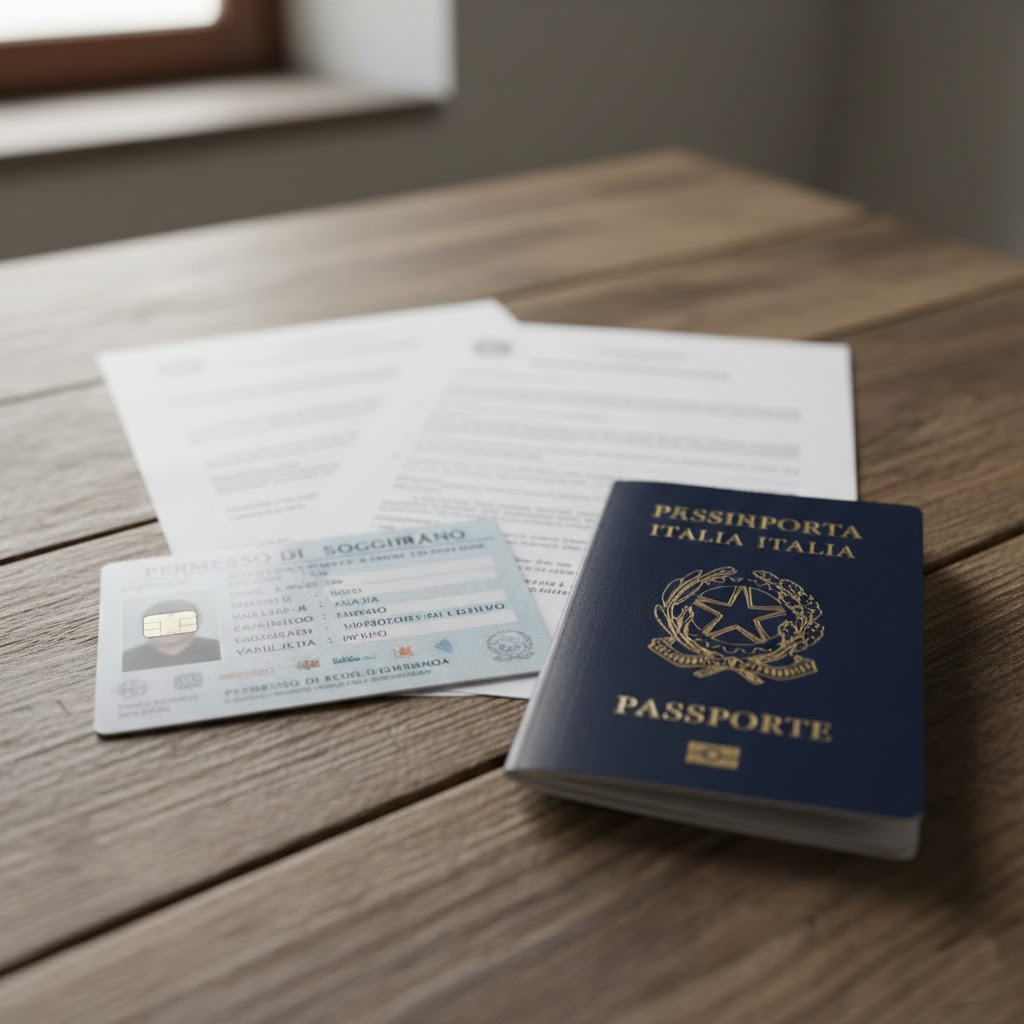
This 2026 step-by-step guide explains how foreigners can apply for a residence permit in italy legally, including required documents, costs, timelines, and common mistakes to avoid.
Living in Italy appears easy from the outside. Sunny public spaces, slow lunches, weekend trips to the coast by train. This is the image everyone captures in an Instagram photo.
The one you don’t see? Remember standing in the crowded post office at 7:30 in the morning, folder in hand thick enough to be considered the abridged version of a novel, silently freaking out because the guy in line ahead of me was just turned away because of losing a copy of a photocopied application?
I have been there too. And I recall spending what seemed like an entire lifetime triple-checking documents and certifications the night before, and still having difficulty sleeping as you wonder if you had got something important wrong. If you are reading this, it means you are probably about to experience all those emotions as well.
The Italian residence permit, or permesso di soggiorno, is not intuitive, efficient, or user-friendly—but it is simple to survive, being a country where, once you understand the real workings, and not those that are stated on official websites, life becomes much less stressful.
This guide will walk you through obtaining your residence card in Italy in 2026, using real life.
What Is a Residence Permit in Italy?
A residence permit (permesso di soggiorno) is the document that legally allows non-EU citizens to stay in Italy for more than 90 days.
Without it, daily life becomes nearly impossible. You won’t be able to:
- Register your address
- Open a proper Italian bank account
- Access the national healthcare system (SSN)
- Work, study, or renew contracts legally
Think of your visa as permission to enter Italy, and your residence permit as permission to stay.
Who Needs a Residence Permit in Italy?

You need to apply for a residence permit if:
- You are not an EU/EEA or Swiss citizen
- You plan to stay in Italy longer than 90 days
- You are working, studying, joining family, or retiring in Italy
Italian law requires you to apply within 8 working days of arrival. Missing this window can create delays—or worse, legal problems later.
Types of Residence Permits in Italy (2026)
A residence permit (permesso di soggiorno) is the document that legally allows non-EU citizens to stay in Italy for more than 90 days.
Without it, daily life becomes nearly impossible. You won’t be able to:
- Register your address
- Open a proper Italian bank account
- Access the national healthcare system (SSN)
- Work, study, or renew contracts legally
Think of your visa as permission to enter Italy, and your residence permit as permission to stay.

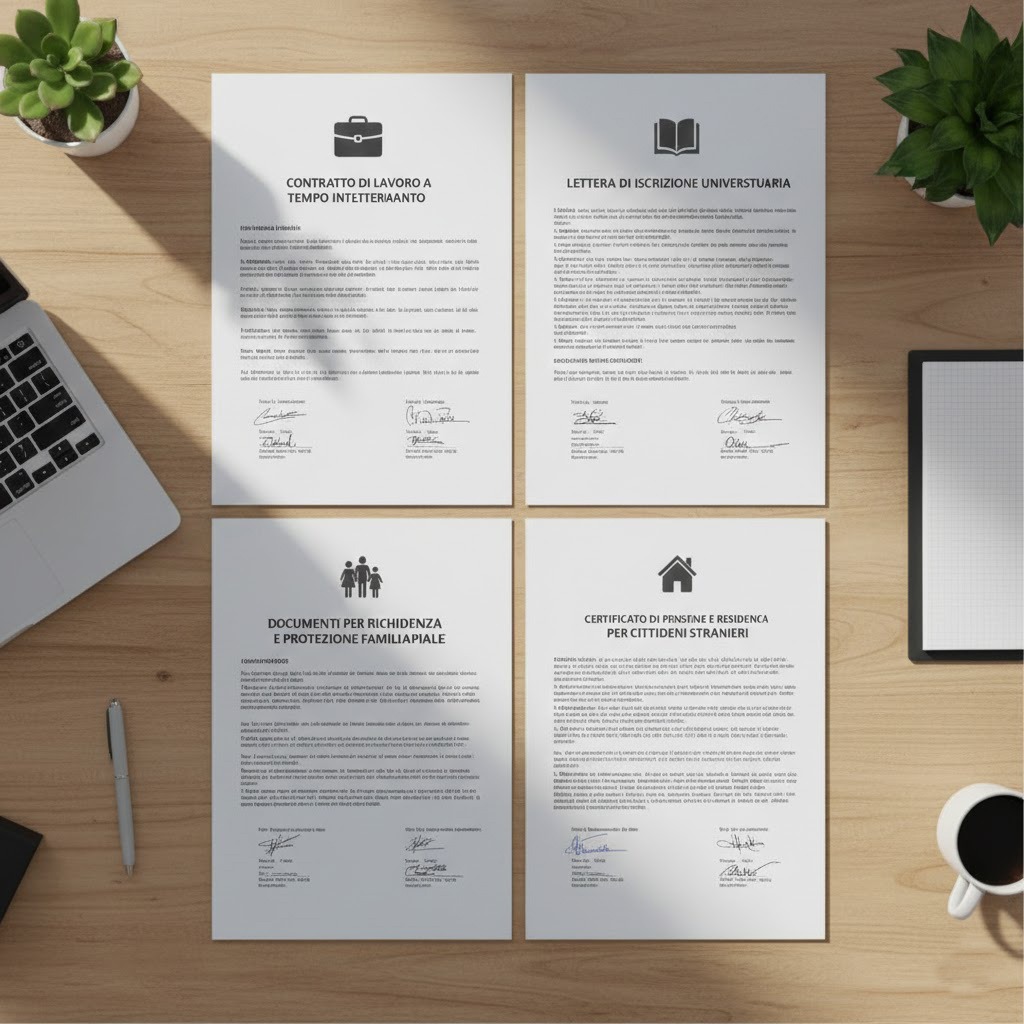
Italy offers several residence permit categories. Choosing the correct one from the start saves months of frustration.
Work Residence Permit
If you’re coming to Italy for employment, this is the most common option.
Most employees need:
- A valid job contract
- An approved Nulla Osta (work authorization)
- A national Type D visa issued before arrival
Self-employed applicants must show business registration, sufficient income, and professional qualifications. This category is stricter and less forgiving.
Study Residence Permit
Students must provide:
- Proof of enrollment at an Italian institution
- Financial means (around €6,000–€7,000 per year)
- Valid health insurance
Study permits allow part-time work up to 20 hours per week during the academic year.
Family Reunification Permit
If you’re joining a family member already living legally in Italy, they must prove:
- Adequate income
- Suitable housing
- Legal residency status
Processing usually takes 3–6 months, depending on the local questura.
Elective Residence Permit
This option is popular with retirees and financially independent individuals.
Requirements include:
- Stable passive income (around €31,000 per year)
- No intention to work in Italy
This permit is heavily scrutinized but offers long-term stability if approved.
How to Apply for a Residence Permit in Italy (Step by Step)
This is the part most people stress about — and honestly, that reaction makes sense. On paper, the steps look simple. In real life, they rarely feel that way.
Step 1: Enter Italy with the Correct Visa
Before anything else, you need to arrive with a Type D national visa that matches why you’re coming to Italy. This part happens outside Italy, usually at a consulate where timelines and requirements can already feel unpredictable.
By the time you land in Italy, you’re often tired, excited, and slightly overwhelmed — which is exactly why having the correct visa sorted in advance matters so much.
Step 2: Gather Your Documents
This step sounds straightforward until you’re actually doing it.
You’ll typically need:
- Passport and visa
- Passport-sized photos
- Proof of accommodation
- Proof of financial means
- Health insurance
- Completed application forms
Before applying, make sure you have your codice fiscale Read more..
If any document comes from outside the EU, expect extra steps. Translations, apostilles, and certifications can take longer than expected, and this is where many people lose time without realizing it.
Step 3: Apply at Poste Italiane

This surprises almost everyone the first time: you don’t apply at the police station. You apply at specific post offices.
You’ll collect the kit postale, fill it out (slowly and carefully), and submit everything at the counter. The clerk checks your paperwork, takes the fees, and hands you a receipt.
That receipt — the ricevuta — becomes incredibly important. You’ll protect it like a passport. It’s the only thing proving you’re legal while you wait.
Step 4: Attend Your Questura Appointment
After some waiting — sometimes weeks, sometimes months — you’ll get a letter with a questura appointment.
This is usually more formal than stressful. Officers verify your documents, take fingerprints again, and may ask simple questions. It’s not an interrogation, even if it feels intimidating walking in.
Step 5: Collect Your Residence Permit
Eventually, you’ll be told your permit is ready.
Picking it up is often anticlimactic. No ceremony, no explanation — just a small plastic card. But emotionally, it’s a big moment. From application to pickup, the full process usually takes 2–6 months, depending on the city.
Residence Permit Italy Cost (2026)
Expect the following expenses:
- €16 revenue stamp (bollo)
- €30–40 postal kit fee
- €80–130 permit issuance fee
With translations and legalizations, most applicants spend €300–500 total.
Living in Italy While You Wait
This waiting period is where many people feel stuck.
Your postal receipt allows you to stay legally in Italy, but life can feel oddly paused. You’re here, but not fully settled. Simple things — travel plans, long-term rentals, even job start dates — often stay uncertain.
One important thing to know: the receipt does not allow you to leave Italy freely. Many people assume it does and learn otherwise at the airport.
If you absolutely need to travel, you must request a re-entry authorization from the questura. It’s possible, but it takes planning — and patience.
Common Mistakes That Delay Applications
Most delays don’t happen because people ignore the rules. They happen because the rules aren’t always obvious.
Common issues include:
- Starting the process too late and rushing documents
- Assuming all questure work the same way
- Missing small details like insurance coverage dates
- Forgetting renewal deadlines
Italy doesn’t leave much room for improvisation when it comes to paperwork. Preparation matters more than optimism.
Renewing Your Residence Permit
Renewals follow a similar process through Poste Italiane.
Start at least 60 days before expiration. After five years of continuous legal residence, you may qualify for a long-term EU residence permit, which offers greater stability and fewer renewals.
Final Thoughts: Is It Worth It?
Honestly? Yes-but only if you’re prepared.
Getting a residence permit in Italy will test your patience in ways you probably didn’t expect. You’ll wait. You’ll second-guess yourself. At some point, you’ll be convinced you did something wrong—even when you didn’t.
I remember checking my phone daily for updates, replaying my questura appointment in my head, and wondering why something so important felt so opaque. And yet, one day, the message arrives. You go back. They hand you the card. And just like that, all that stress fades.
The second that residence permit comes, something flips. You are no longer a temporary guest. You begin planning months ahead rather than weeks; you start building routines rather than contingency plans.
Italy doesn’t make this process easy-but it does make the result worth it.
And yes, the espresso really does taste better when you know you’re here legally.
Frequently Asked Questions
How long does it take to get a residence permit in Italy?
Processing typically takes 2–6 months, depending on location. Smaller cities often move faster than Rome or Milan.
Can I work while waiting for my residence permit?
Yes, if you applied for a work permit and have your postal receipt.
Can I travel with my Italian residence permit?
Yes. Once issued, it allows Schengen travel up to 90 days within 180 days.
Do I need Italian language skills?
Not for your first permit. Basic Italian is required only for long-term residence permits.
Can I change my residence permit type?
Yes, provided you meet the new permit’s requirements and apply correctly.