

Minimum salary needed to live in Italy comfortably

When people inquire about moving to Italy, they are generally thinking of sun-drenched piazzas, lazy lunches and a slower way of life. And yes, that Italy does exist. But there’s a second, more immediately salient question that arises:
What is the living wage needed to live in Italy in 2026?
Not just survive.
Not just “get by”.
But live without constantly worrying about rent, groceries, transportation, and the small daily costs that silently add up.
The honest answer is: it depends – where you live, how you live, and what you consider “comfortable”. Let’s break it down in a human and realistic way.
What “Living Comfortably in Italy” Actually Means
Before numbers, we need clarity.
Living comfortably in Italy generally means:
- Paying rent without stress
- Eat well (not just pasta every day – although pasta helps)
- Use public transport or own a small car
- Covering healthcare, utilities and phone bills
- Have some money left over at the end of the month
This doesn’t mean luxurious apartments or Michelin-starred restaurants. It means stability and dignity – which is what most people really want.
Average Salaries in Italy in 2026 (Reality Check)

Literally in 2026 Italian salary thresholds are still behind other countries as Germany, the UK or the Netherlands.
Approximate net monthly salaries:
- Entry-level jobs: €1,200 – €1,400
- Háblale de ti a la empresa Average full-time wage: €1,500 – €1,800.
- Skilled professionals: €2,000 – €2,500
- High-demand sectors (IT, engineering): €2,500+
The problem is not just income — where that income corresponds with the cost of living in various parts of Italy.
Cost of Living in Italy: The Big Monthly Expenses
Rent (The Biggest Factor)
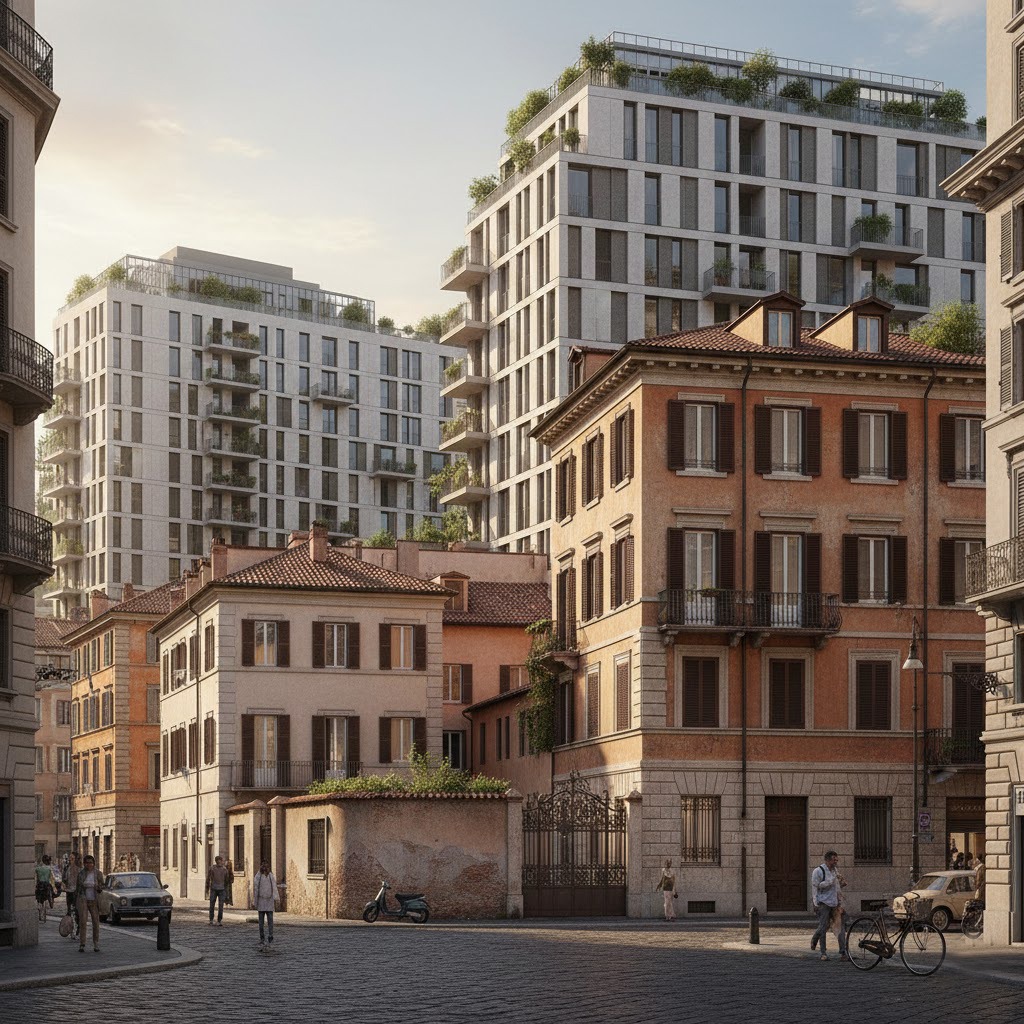
Rent can change a lot depending on where you are in Italy, from one place to another.
I looked at average rents for a one bedroom apartment, thinking about 2026 maybe.
- Milan its around 900€ to 1300€ a month.
- Rome is a bit less, like 800€ to 1200€.
- Florence goes from 750€ up to 1100€ or so.
- Bologna seems cheaper, 700€ to 1000€.
Then in smaller towns or down south in Italy, you are looking at 400 to 650, which feels more manageable.
If you are renting by yourself in one of those bigger cities, it probably takes up 40 to 50 percent of what you make, I think that is kind of high.
But sharing with someone cuts that down, makes it way better.
It varies drastically though, city to city.
Food and Groceries
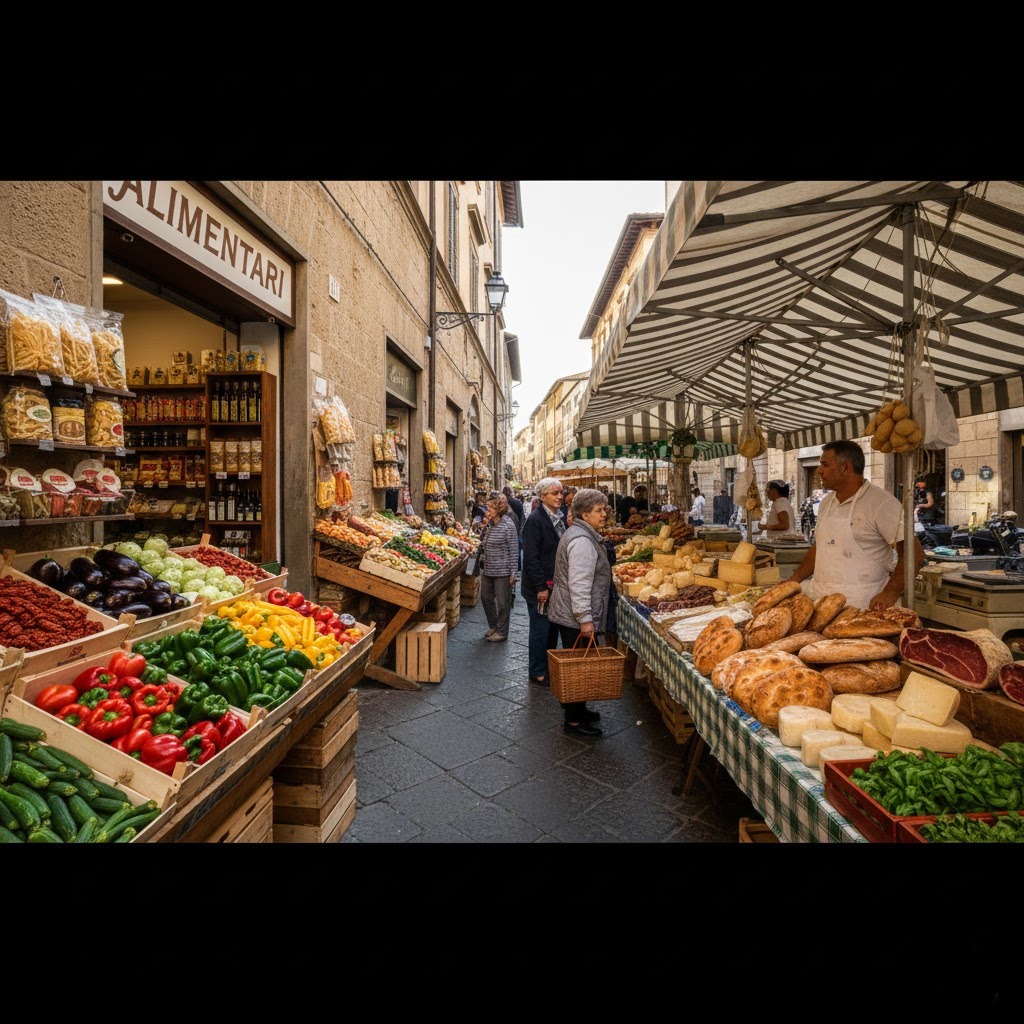
Italy is one of the few European countries where eating well doesn’t destroy your budget – if you shop smart
- Grocery (per person): €200 – €300
- Eating out occasionally: €100 – €150
- Coffee, snacks, small pleasures: €50
Comfortable food budget: €300 – €450 per month.
Transport
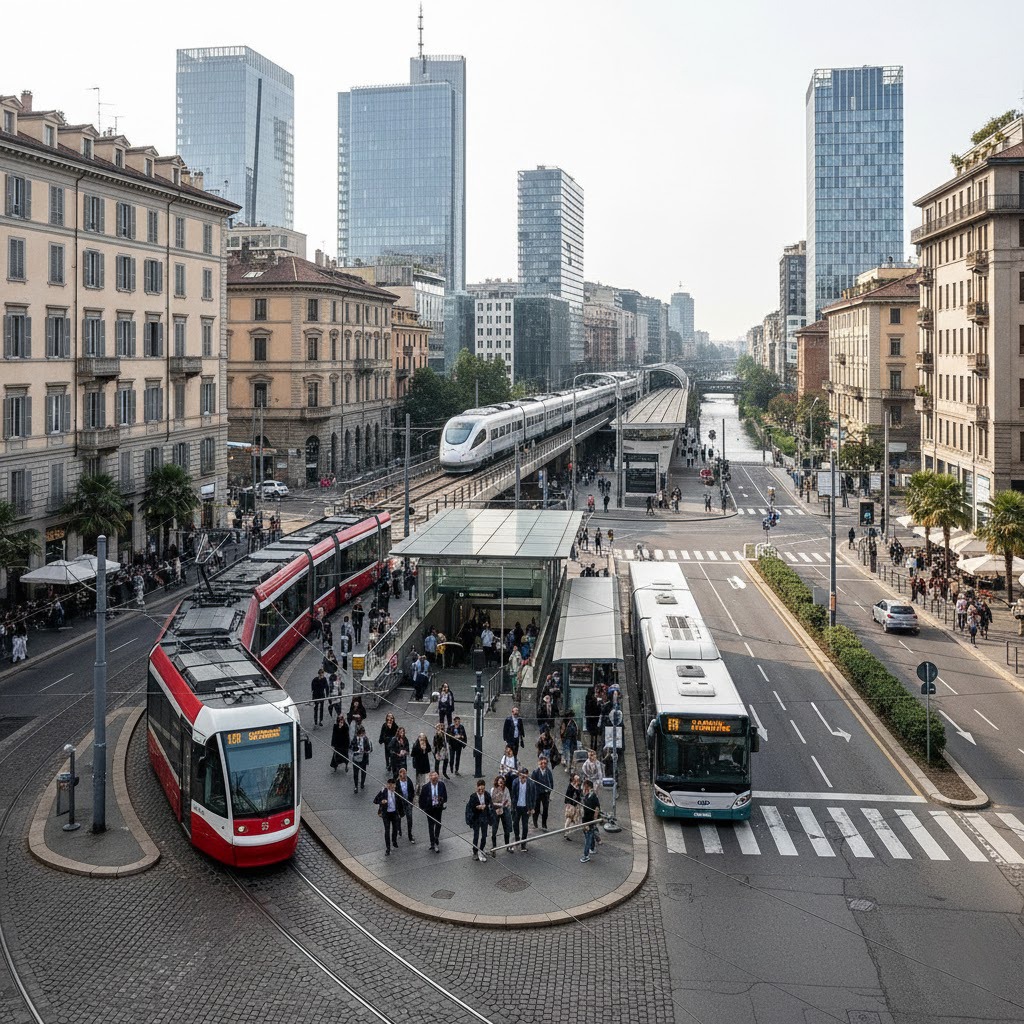
Public transport in Italy is relatively affordable.
- Monthly public transport pass: €35 – €55
- Occasional taxis: €30 – €60
Owning a car adds fuel, insurance, and parking — not ideal in big cities.
Average transport cost: €50 – €120 per month
Utilities, Internet & Phone
- Electricity, gas, water: €100 – €150
- Internet: €25 – €30
- phone: €10 – €15
Total utilities: €140 – €195 per month
Healthcare & Insurance

If you’re registered with Italy’s public healthcare system (SSN), costs are low.
- Public healthcare contribution: €0 – €150/year (varies)
- Prescriptions & co-pays: €10 – €30/month
Private insurance (optional): €50 – €100/month
Minimum Salary to Live Comfortably in Italy (By Area)

Big Cities (Milan, Rome, Florence)
To live comfortably without constant stress:
€2,000 – €2,300 net per month
This allows:
- A small apartment or shared flat
- Regular groceries and eating out
- Public transport
- Some savings or travel
Below €1,600 net, life becomes tight in these cities.
Mid-Sized Cities (Bologna, Turin, Verona)
€1,600 – €1,900 net per month
You’ll enjoy:
- Lower rent
- Better balance between income and expenses
- More room to save
This is often the sweet spot for foreigners.
Small Towns & Southern Italy
€1,200 – €1,500 net per month
In many southern or rural areas:
- Rent is affordable
- Food is cheaper
- Life is slower
The trade-off? Fewer job opportunities.
Single vs Family Living Costs
Single Person (Comfortable Life)
Big city: €1,900 – €2,300
Small city/town: €1,300 – €1,600
Couple (No Children)
- Big city: €2,800 – €3,200 combined
- Smaller areas: €2,200 – €2,600 combined
Family with One Child
- Major city: €3,500+
- Smaller cities: €2,800 – €3,200
Why Italy Feels Cheaper (Even When It’s Not)
Here is the human side.
Italy feels accessible because:
- Public health reduces fear of medical costs
- Food quality is high even at low prices
- Social life doesn’t always revolve around spending money
You can sit in a square for hours drinking a coffee – and no one rushes you.
This is rare
Common Mistakes People Make When Budgeting for Italy
- Underestimating rental deposits (usually 2 to 3 months in advance)
- Forgetting taxes and annual fees
- Assuming Milan represents all of Italy (it doesn’t)
- Comparing Italy directly with Northern Europe
Italy rewards flexibility. Those who adapt live better.
So… What’s the Real Minimum Salary?
If we reduce everything to the truth:
- €1,200/month → survival in cheaper areas
- €1,500/month → basic comfort outside big cities
- €2,000/month → comfortable life in most of Italy
- €2,300+/month → comfortable life in big cities
Anything above that adds peace of mind.
Final Thoughts: Comfort Is About Balance, Not Luxury
Living comfortably in Italy in 2026 doesn’t mean earning a huge salary.
It’s about:
- Choosing the right city
- Living within the Italian rhythm
- Spending on what matters
Italy gives back in ways that don’t show up on a paycheck – time, culture, community. And for many people, that compensation is worth more than money.