

Italy Student Visa Work Rules 2026: Part-Time Jobs, Hour Limits & Permesso Guide

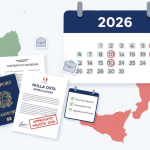
If you are studying in Italy on a student visa in 2026, you are legally allowed to work part-time while you study. Under Italian immigration law, international students from non-EU countries are allowed to work up to 20 hours a week during the school year and full-time during holiday breaks. This guide explains the Italy student visa work rules, how many hours you can work, what jobs are allowed, and how to stay compliant with your residence permit.
So you’ve been accepted to study in Italy congratulations! Between learning Italian, finding accommodation, and figuring out which gelato flavor is your favorite, there’s another important question on your mind: can you actually work while studying?
I remember when my friend Marco moved to Milan for his master’s degree. His biggest worry wasn’t the coursework it was whether his part time income would cover those weekend trips to Florence.
Can International Students Work in Italy?

Yes, international students can work in Italy it just depends on where you come from. For students from EU/EEA countries, it is simplest they enjoy complete freedom to work. For everyone else, that includes students from the US, UK, India, China and other non-EU countries, there are rules you will need to follow.
The Italian government knows that students are in need of financial aid. That’s largely why they’ve built a system in which you can work while getting your degree. However, you’ll need to navigate some paperwork first.
Work Hour Limitations for Student Visa Holders
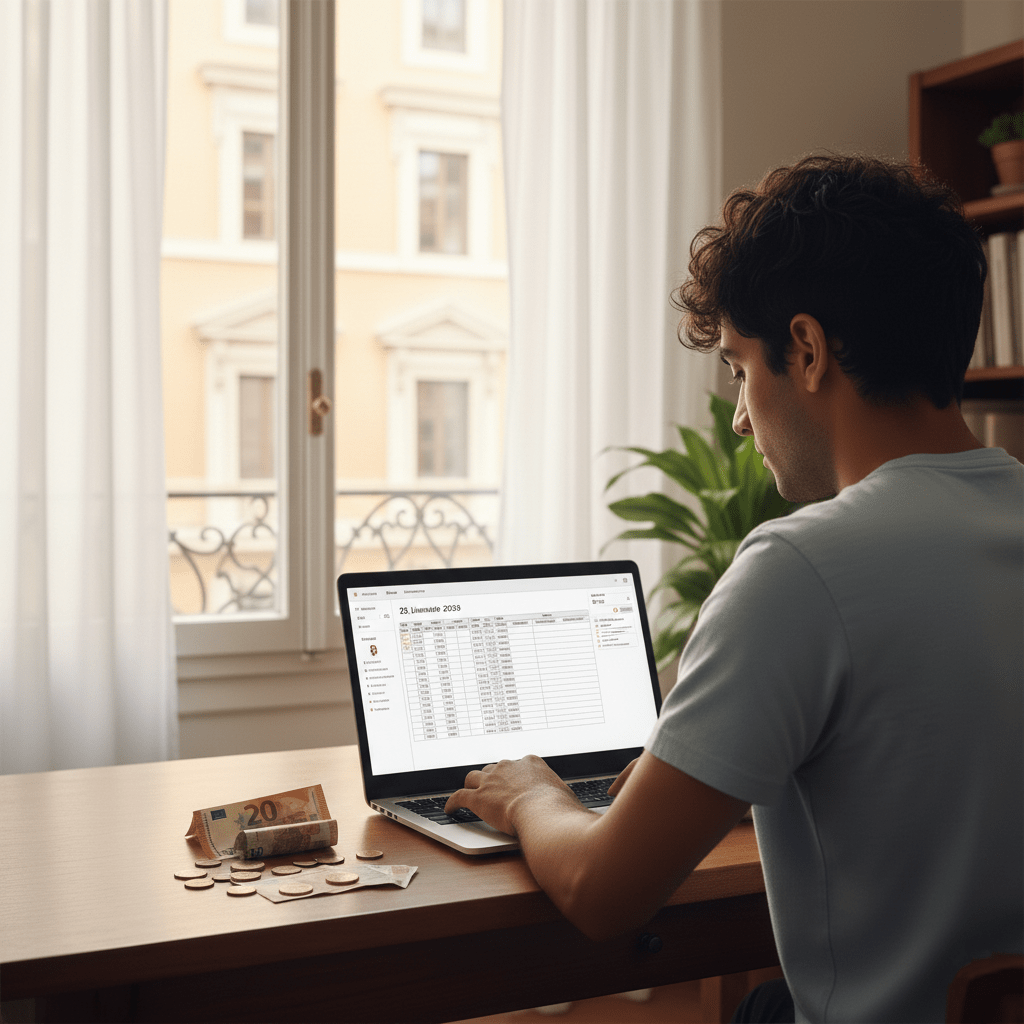
Here’s the big rule, and it is something of the master rule: Non-EU students are allowed to work up to 20 hours a week during school. You can work full time when school’s out and holidays roll around (usually 40 hours a week).
Let me be honest most students agree with me: These 20 hours are surprisingly manageable. One Bangladeshi student who worked in a Rome café said she actually liked the limit as it then made her concentrate that much harder on finding work and quickly establishing herself: The restriction “helped me to find stability.” I’ve seen friends back home work 30+ hours and struggle with exams,” she said.
During summer breaks (usually June through September), winter holidays, and other academic breaks, you can increase your hours. This is when many students take on internships or seasonal tourism jobs along the Amalfi Coast or in Venice.
Types of Work Permitted on a Student Visa

Not all jobs are created equal when you’re on a student visa. Here’s what you can and cannot do:
Allowed work includes:
- Part-time employment with a registered company
- Internships related to your field of study (these are actually encouraged)
- Freelance work or self-employment (though this requires additional permits)
- On-campus jobs at your university (library assistant, research aide, etc.)
- Seasonal work during holidays
What you cannot do:
- Start your own business without proper authorization
- Work more than the permitted hours
- Accept cash-in-hand jobs without a contract (this is illegal and risky)
Universities across Italy from Bologna to Padua often have job boards specifically for international students. Check these first because employers listed there already understand visa requirements.
How to Get Permission to Work
This is where things get a bit bureaucratic, but stick with me. Unlike some countries where work permission is automatic with your student visa, Italy requires you to be proactive.
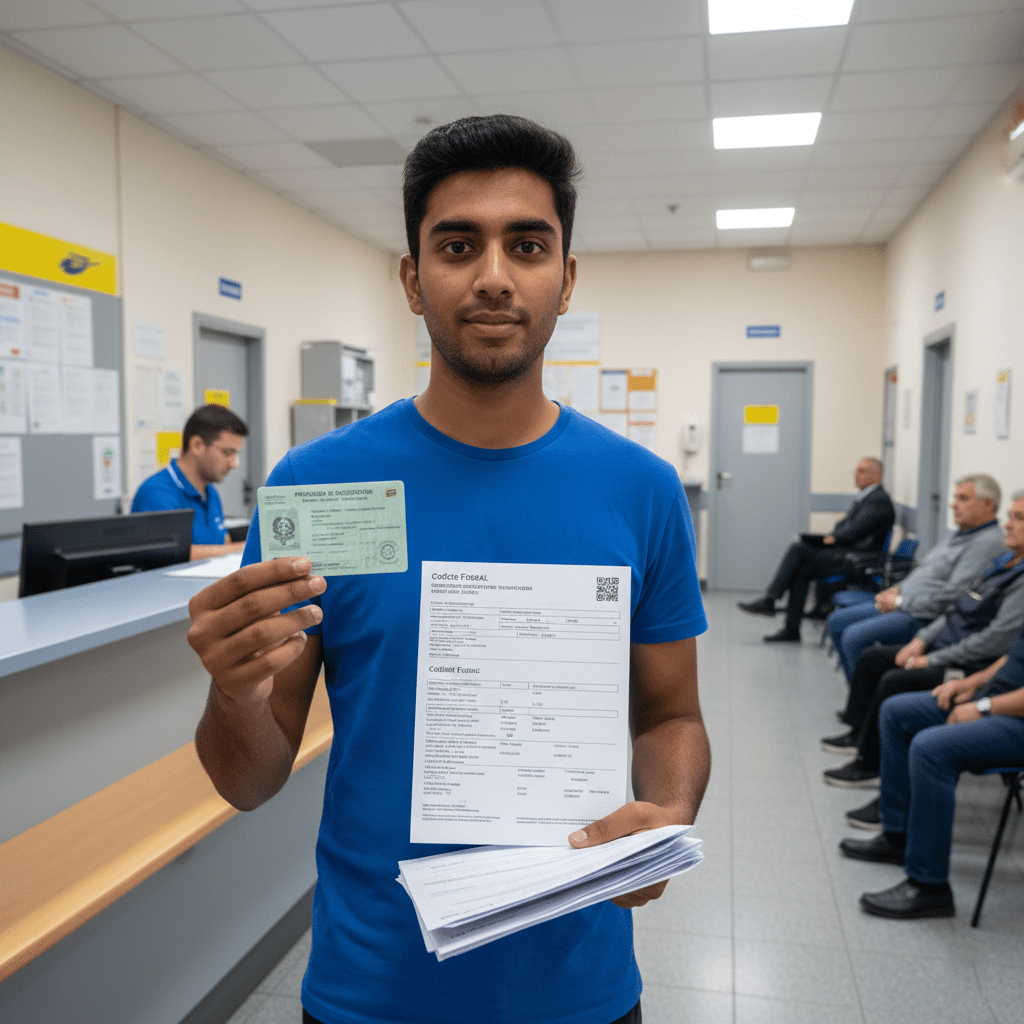
Step 1: Obtain your residence permit (permesso di soggiorno) After arriving in Italy, you have eight days to apply for this at the local post office using a “kit” they provide. Your residence permit will explicitly state whether you’re allowed to work.
Step 2: Obtain a tax code (codice fiscale) You’ll need it to work legally. You can obtain it for free from the Agenzia delle Entrate (Essentially Italian Revenue Agency). Take your passport and proof of residence. Step 3: Get a job offer Your employer must give you a written contract. They must sign you up to INPS (Italy’s social security system).
Step 3: Secure a job offer Your employer needs to provide a written contract. They’re required to register you with INPS (Italy’s social security system).
Step 4: Inform your university Some universities ask students to tell them about employment so as not to get in the way of mandatory attendance.
A Pakistani economics student in Turin described his experience: “The paperwork was initially intimidating, but the international student office guided me through it all. It took maybe three weeks altogether, but then I was able to legally work.”
Popular Student Jobs in Italy

What type of work do foreign students usually pursue? Drawing from talks with students in cities across Italy, here they are:
Language tutoring tops the list. You, the native English speaker, are in demand. Parents are willing to pay top dollar for English tutors who will teach their children, and you may tend to set your own hours. City rates start at €15-25 per hour.
Restaurant and café work is another big one. Italy’s hospitality sector constantly needs workers, especially in tourist areas. You might start as a server or barista. The tips aren’t as generous as in America, but the base pay is decent.
Summertime is also the time when you can find a job in tourism. Consider tour guides (if you’re fluent in more than one language), hotel reception or working at museums. Generally, Italian restaurants such as those in Florence, Venice and Rome require multilingual workers during the high season, usually from May to September.
For these, University positions such as research assistants/ library help/ admin assistants are perfect because the employers already know how student schedules work etc.
For example, students with graphic design skills could start freelancing. Just don’t forget: You must be properly authorized to be self-employed.
Salary Expectations and Taxes
Let’s talk money. Italy has a national minimum wage for most sectors through collective bargaining agreements. In 2026, expect:
- Café/restaurant work: €7-10 per hour
- Retail positions: €8-12 per hour
- Tutoring: €15-25 per hour
- Internships: Often unpaid or €400-800 monthly stipend
Yes, you will pay taxes on your income. Taxes in Italy are withheld at the source level, which means that your employer holds back taxes on your behalf before paying you. The good news? Most students belong in the lowest tax bracket. You may owe very little or receive a refund when you file your annual tax return if you earn under €8,000 per year.
An Indian student working in Bologna says that now he has this permesso di soggiorno you pay less tax!”I️ was scared of taxes taking away all of my money, period, I thought reach the end of the month like bill gates and not really 😀 nope!fed €300 back on filing returigned up on defining printed out applied self respect,because I’d overpaid.
Practical Tips From Students Who've Been There
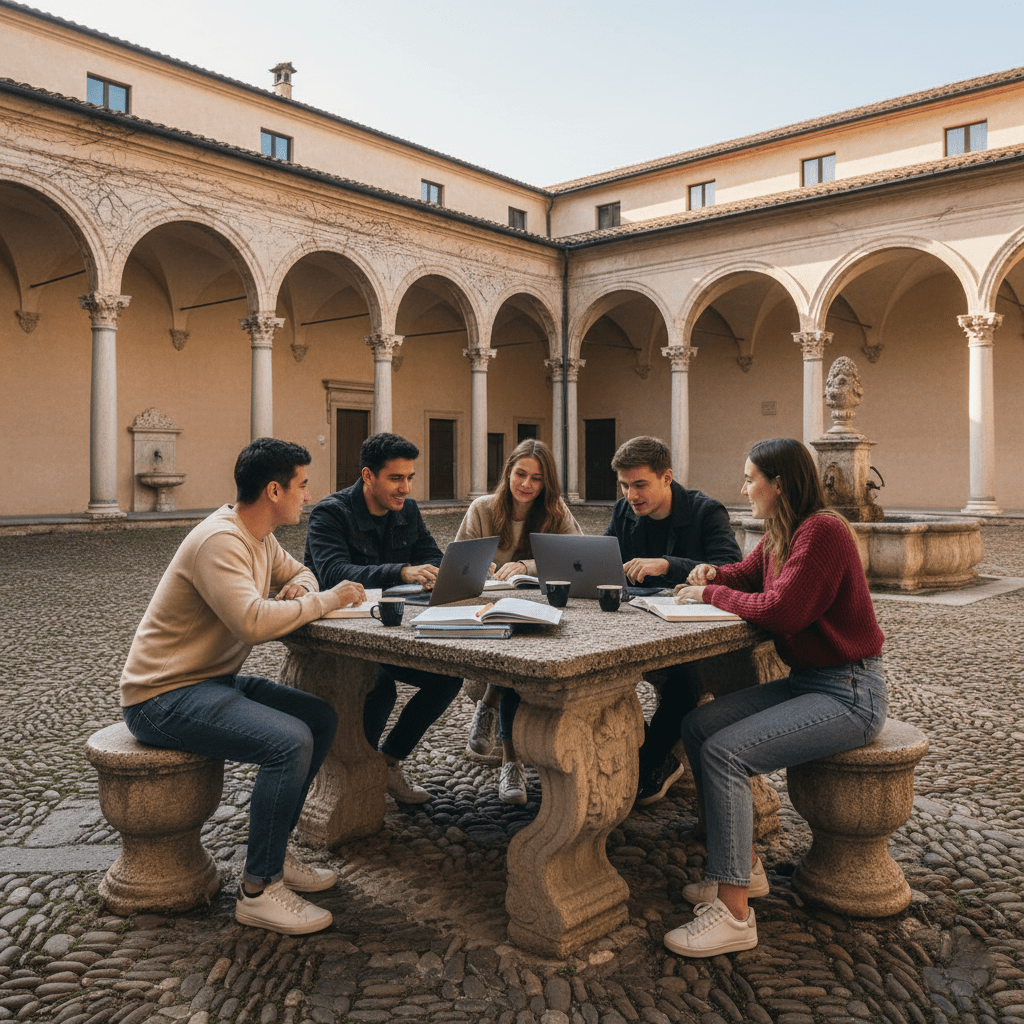
Here’s what they wish they had known from day one, after speaking to dozens of international students working in Italy:
Start your job search early. The good student-friendly jobs are likely to be taken up fast, particularly in smaller university towns.
Learn some Italian. Even just conversational ability doubles your prospects of finding a job. That job in the café is a lot easier to secure if you can have a conversation with the customers.
Network through your university. Get involved in student organizations, go to university events and meet second-year students who can help steer you to opportunities.”
Keep your documents organized. Keep copies of your residence permit, codice fiscale and passport with you at all times. Employers will ask for these.
Understand your rights. Italy has strong worker protections. You have a right to paid sick days, to decent contracts and fair treatment.” Don’t tolerate exploitation simply because you are a foreign student.
Budget realistically.This 20-hour per week limit means you probably won’t earn enough to cover all your expenses. Plan for your employment income to supplement, not replace, your main source of financing.
What Happens After Graduation?

Here’s something not many students realize: Italy has a one-year residence permit for job seeking after you graduate. This “waiting for employment” permit allows you to remain in Germany and seek work that relates to the degree you earned.
And during that year, you are able to work full time without any student limitations. If you get a job, your employer can apply to sponsor you for a work visa and you can move from being a student to being an employee without having to leave Italy.
Common Mistakes to Avoid
Do not work illegally. The temptation to accept cash in hand work without a contract is real, especially when a restaurant owner offers you immediate cash.Don’t do that. If caught, you could face fines, deportation or problems renewing your residence permit.
Don’t exceed your hour limit. Employment records can be checked by immigration officers. It’s not worth risking your student status to work 25 hours when you’re only allowed to work 20.
Don’t forget to file taxes. Even if you don’t owe anything, file that tax return. It helps keep your records clean, and it might get you money back.
Final Thoughts
Studying and working in Italy is perfectly feasible and, for many students, part of what makes the experience so rewarding. You’ll get to practice your Italian, learn more about the culture, make some local friends and yes, maybe even earn a few bucks to help pay for that weekend in Cinque Terre.
The rules can appear bureaucratic at first, but they are doable. Every year thousands of foreign students successfully work in Italy and study at the same time.Get your paperwork sorted early, stay within the legal limits, and you’ll find that balancing work and studies in Italy is not just doable it’s actually pretty rewarding.
Just remember: you’re in Italy. Even when the paperwork feels overwhelming, at least you can get yourself a proper espresso and commiserate with fellow students who are figuring it out too.
Frequently Asked Questions (FAQ)
Can international students work in Italy on a student visa?
Yes. Non-EU international students in Italy can legally work up to 20 hours per week during the academic year and full-time during official holidays.
How many hours can a student work in Italy per week?
Student visa holders can work a maximum of 20 hours per week while classes are in session. There is no hourly limit during approved university breaks.
Do EU students have work restrictions in Italy?
No. Students from EU or EEA countries can work without hour limits and do not need special work authorization.
What jobs are allowed on an Italy student visa?
Allowed jobs include part-time work, on-campus jobs, internships, and seasonal work. Self-employment requires additional authorization.
Do I need a work permit to work as a student in Italy?
No separate work permit is required, but your permesso di soggiorno must allow employment, and you must have a valid codice fiscale.
Can students work full time during summer in Italy?
Yes. Students can work full time during summer, winter holidays, and other official academic breaks.
Do student workers in Italy pay taxes?
Yes. Taxes are deducted by the employer, but most students fall into the lowest tax bracket and may receive a refund if earnings are low.
Is working without a contract legal for students in Italy?
No. Working without a contract is illegal and can lead to fines, permit problems, or deportation.
Can I stay in Italy after graduation to look for work?
Yes. Italy offers a one-year post-study job-seeking residence permit, allowing full-time work while searching for employment.
Will working affect my student residence permit renewal?
No, as long as you stay within legal hour limits and your studies remain your main purpose in Italy.