


Jobs In Italy for Foreigners in 2026

Jobs in Italy for foreigners in 2026 remains one of the most searched topics for people dreaming of working and building a life in Italy. Whether you’re already in Europe or planning to move from abroad, finding a job in Italy can be both exciting and intimidating. Italy offers real opportunities – but only if you understand where foreigners are actually hired, what employers expect, and how the system works in practice.
Many people find working in Italy to be simple: charming cities, long lunches and a relaxed pace of life. The reality is more subtle. Italy may be welcoming, but it is also traditional, bureaucratic and competitive. Knowing where foreigners actually fit in the Italian job market makes a big difference.
This guide explains the best jobs in Italy for foreigners in 2026, industries that are actively recruiting, salary expectations, language requirements and practical advice from real-world experience.
Is It Easy for Foreigners to Find Jobs in Italy?
Let’s be honest: finding work in Italy as a foreigner is possible, but not always easy. Italy’s unemployment rate varies by region, and local workers are usually hired first. However, there is demand for foreigners in specific sectors, especially where there is a skills shortage.
Foreign people are most successful when they:
- Have in-demand skills
- Are flexible about location
- Understand visa requirements
- Are realistic about the starting situation
Italy rewards persistence over speed.
Most In-Demand Jobs in Italy for Foreigners in 2026

Tourism and Hospitality Jobs
Tourism remains one of Italy’s largest employers. Hotels, resorts, restaurants and tour companies actively hire foreigners, especially those who speak English or multiple languages.
Common roles include:
- Hotel receptionists
- Restaurant staff
- Tour guides
- Guest relations assistants
Seasonal work is especially common in cities like Rome, Florence, Venice, Milan, and coastal areas.
Agriculture and Seasonal Work

Agricultural work is still largely dependent on foreign workers. These jobs are physically demanding but accessible and are often associated with seasonal work visas.
Typical Roles:
- Fruit and vegetable Harvesting
- vineyard work
- Picking olives
These jobs are common in southern Italy and rural areas and are often filled through the decreto flusi quota system.
Construction and Skilled Trades

Italy faces a shortage of skilled trades, making it a solid choice for foreigners with experience.
In-demand roles include:
- Electricians
- Plumbers
- Carpenters
- Welders
- Mechanics
Certifications and previous experience matter more than formal education here.
Healthcare and Caregiving Jobs

Italy’s aging population means consistent demand for caregivers and healthcare workers.
Opportunities include:
- Elderly caregivers (badante)
- Nursing assistants
- Healthcare support roles
These jobs often require some Italian language skills and emotional resilience but offer long-term stability.
Teaching English and Language Jobs

This is where opportunities are quietly growing.
Italy is actively hiring:
- Software developers
- IT specialists
- Data analysts
- Cybersecurity professionals
Many of these roles allow remote or hybrid work, making them ideal for foreigners with strong technical skills.
Tech, IT, and Digital Jobs

Italian is not always mandatory—but it helps a lot.
- No Italian needed: Some IT roles, tourism jobs, and international companies
- Basic Italian required: Hospitality, retail, caregiving
- Fluent Italian needed: Office roles, administration, healthcare
Even basic Italian dramatically improves your chances and quality of life.
Work Visas and Legal Requirements
For non-EU citizens, legal work requires the correct visa.
Common pathways:
- Work visa (Nulla Osta) – employer-sponsored
- Seasonal work visa
- Digital Nomad Visa
- Student visa with part-time work
Many job offers fail simply because employers are unfamiliar with visa sponsorship. Knowing the process helps you guide them.
Salaries and Cost of Living Reality

Italian salaries are generally lower than in Northern Europe, but so are some living costs—depending on location.
Average monthly salaries (net):
- Hospitality: €1,100–€1,400
- Construction & trades: €1,300–€1,700
- IT & tech: €2,000–€3,500+
- Caregiving: €900–€1,300
Smaller cities and southern regions offer lower living costs but fewer job options.
Best Cities in Italy for Foreign Workers
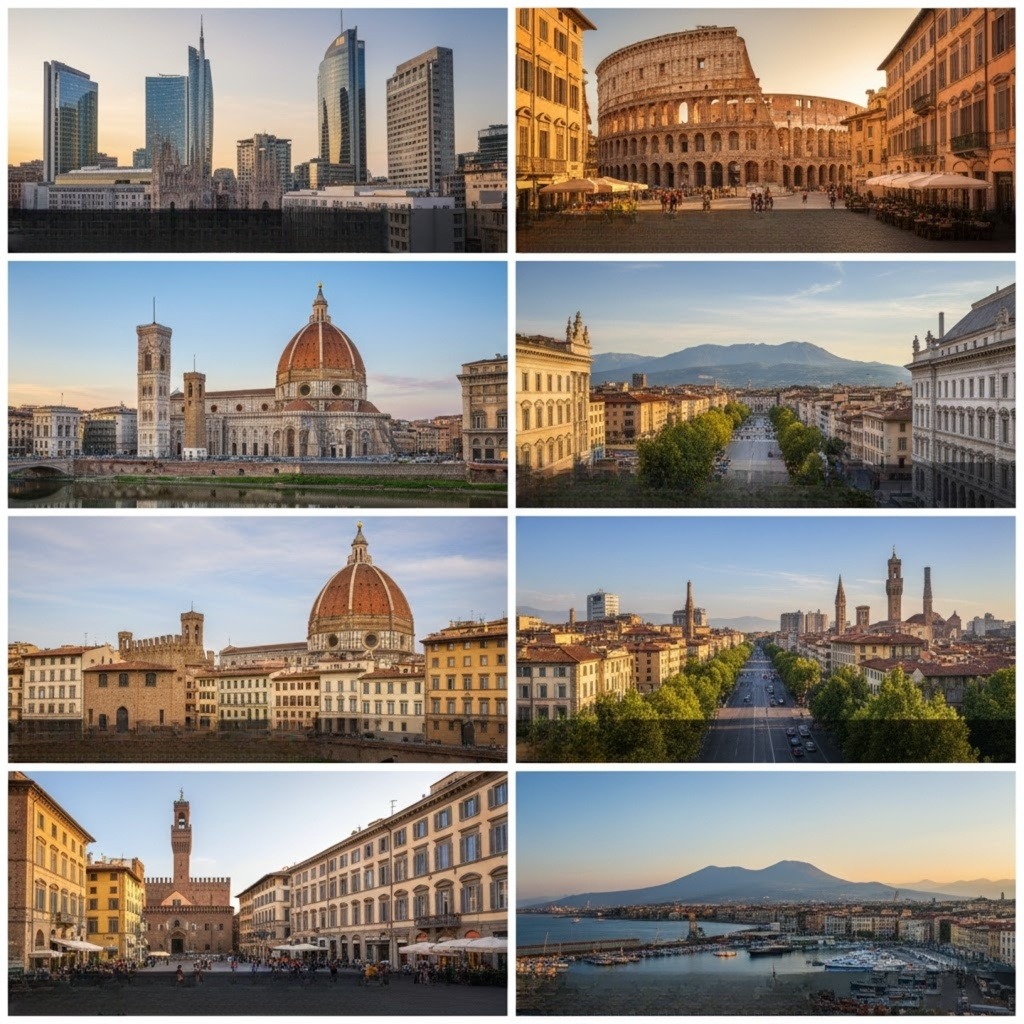
Some cities are more foreigner-friendly than others:
- Milan: Best for jobs, business, tech, and international companies
- Rome: Tourism, public institutions, NGOs
- Florence & Venice: Hospitality and tourism
- Bologna & Turin: Industry, logistics, universities
- Southern Italy: Agriculture, caregiving, seasonal work
How to Find Jobs in Italy as a Foreigner
Practical methods that actually work:
- Italian job portals (Indeed Italia, InfoJobs)
- LinkedIn (very important in 2026)
- Recruitment agencies
- Networking and referrals
- Local Facebook groups (surprisingly effective)
Sending your CV in Italian format matters more than people think.
Common Mistakes Foreigners Make
- Applying without checking visa eligibility
- Ignoring Italian language basics
- Expecting fast hiring decisions
- Underestimating bureaucracy
- Refusing entry-level roles
Final Thoughts
Jobs in Italy for foreigners are real in 2026—but success depends on strategy, flexibility, and realistic expectations. Italy may not offer the highest salaries, but it offers something that many countries don’t: lifestyle, culture, and a deep sense of place.
For those willing to adapt, learn and stay engaged, Italy can become more than just a destination – it can become home.