
How to Avoid These Common Mistakes When Moving to Italy

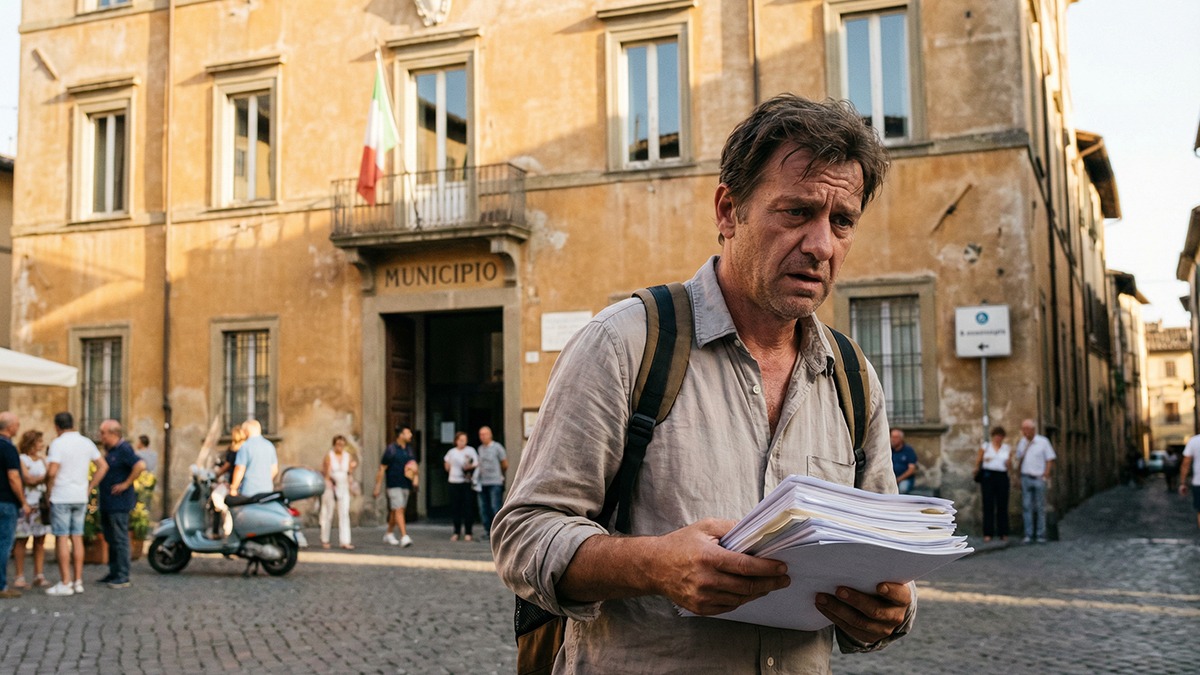
Mistakes foreigners make when moving to Italy. It is a big dream for many foreigners, but there are common mistakes that can make the process stressful and confusing. Many people are eager to make the move. It sounds really great.. It is not all fun. I found this out when I went to a government office at 2 PM. The office was closed. It closed at noon. It was not going to open again until Thursday.
This happened to me when I first moved to Milan. I had a stack of papers that I had spent a lot of time getting.. When I got to the office I found out that I needed one more form. Nobody had told me about this form. I was really surprised.
Italy and the government offices in Italy can be really frustrating. Moving to Italy and dealing with the government offices, in Italy was a lot harder than I thought it would be.
Italy is magnificent, but it operates on its own wavelength. The bureaucracy moves slower than a Sunday passeggiata, the unwritten social rules are everywhere, and what works in Rome might get you strange looks in Turin.
After five years of living here and helping dozens of expats with their move to Italy, I realized that the same mistakes keep appearing.
Let me save you some headaches…
Underestimating Italian Bureaucracy
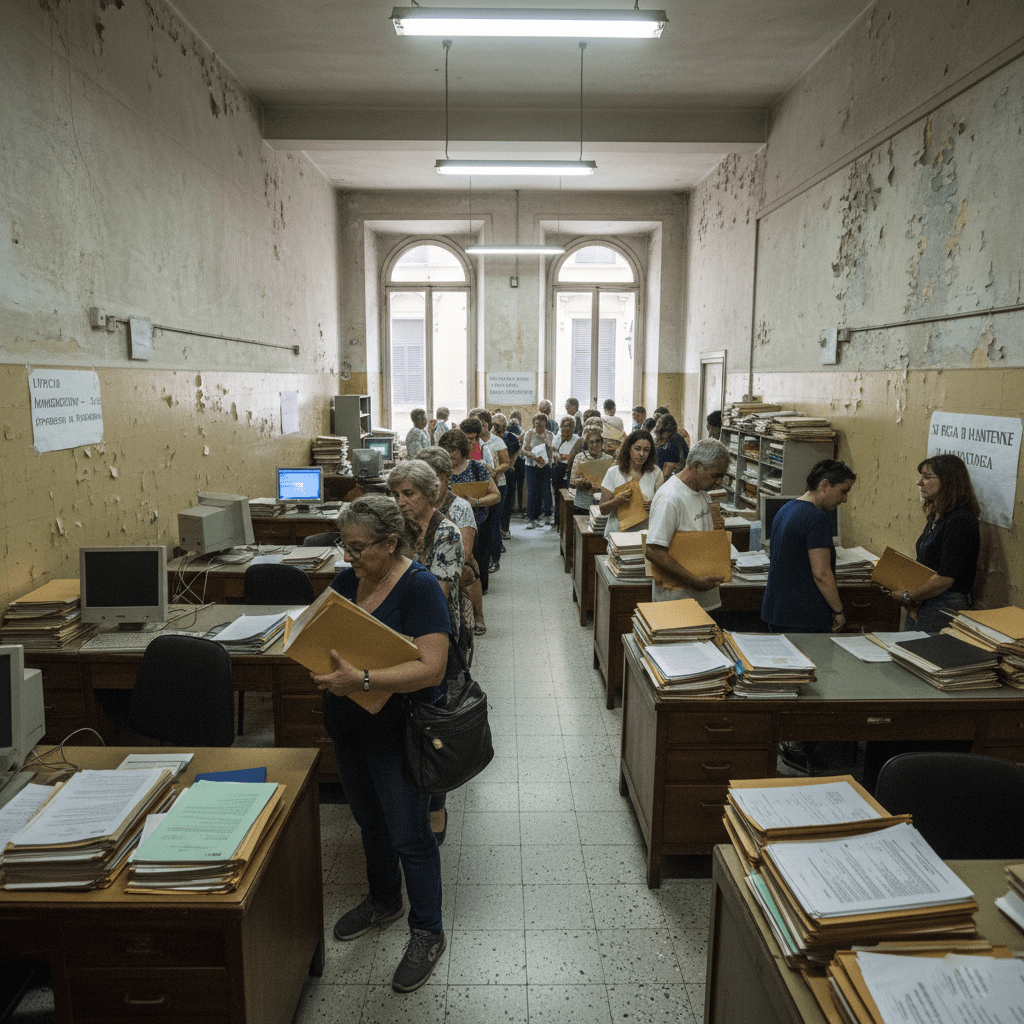
Here’s what nobody tells you about Italian paperwork: it’s not just complicated, it’s an art form that would make Kafka weep. Many foreigners arrive thinking they’ll sort out their residence permit in a week or two—then reality hits.
The permesso di soggiorno requires appointments booked months in advance, documents that expire faster than fresh mozzarella, and more patience than you ever expected.
I once watched a British couple stuck in a classic Italian catch-22: they couldn’t open a bank account without residency, and couldn’t get residency without proof of address.
The fix: start your Italian visa process at least six months before moving. Make digital copies of every document even the ones you think you’ll never need and get them translated and apostilled before you leave. Book your permesso di soggiorno appointment the moment you arrive, whether online or by showing up at dawn with everyone else trying to figure Italy out.
Choosing the Wrong Location: A Mistake Expats Often Make
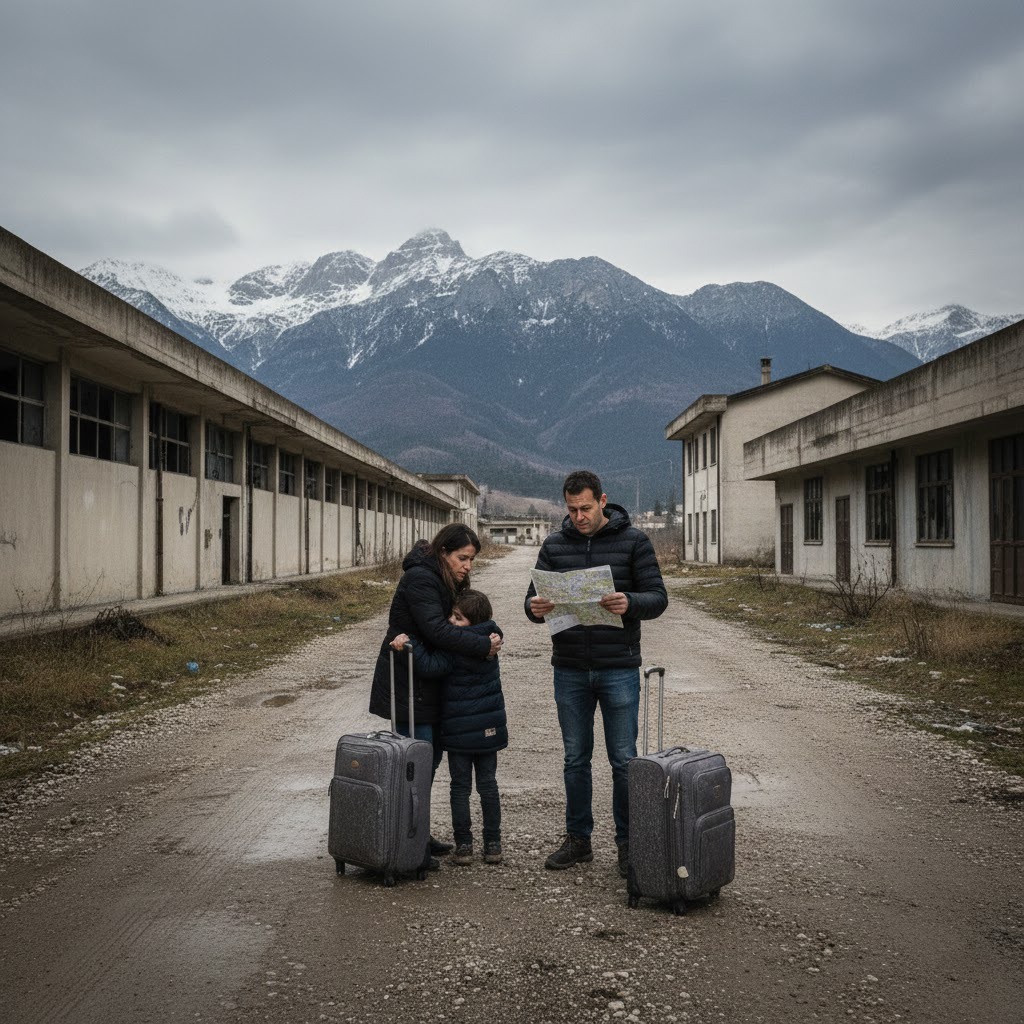
Every expat wants to live in that pretty Tuscan villa they saw on Instagram. The villa looks amazing. But then they find out that the nearest grocery store is really away it is 15 kilometers away. They have to deal with transportation that only comes twice a day.. When winter comes to the countryside it is very cold and dark and they feel lonely. Every expat has to think about these things when they want to live in a villa.
Location mistakes can be really bad for people. They stay with them for years. I know someone who moved to a small village in Umbria because she wanted to have the real Italian experience.. After six months she realized that she was very lonely. She could not make friends because she did not speak the language well. She spent a lot of time driving to get to places where people lived than actually living her life in the village.
The Italian experience was not what she thought it would be. The location was a big part of the problem. Location mistakes like this can happen to anyone. They can make a big difference in how happy people are, with their lives. The location mistakes and the Italian experience are closely tied together in this story.
Let us think about this in a way. Do you really need to go to work? If you do then you will need internet that you can count on. The internet in Italy is often very slow it is even slower than the old dial-up system. If you have kids you should know that international schools are usually only found in cities. If someone in your family has health problems you should be aware that smaller towns might only have one doctor and that doctor might be retiring soon.
Rural Italy is a place but internet and schools and doctors are important things to think about especially if you have a family or health issues and you need to be able to get to reliable internet and good schools and hospitals and that is often only possible, in big cities.
If you are thinking of moving to cities you should look at more than just the popular ones. Milan is a place to find a job and it is very efficient but it does not have the same warm feeling that you get in the southern parts of Italy.
Bologna is a place for people who love food because it has a really great food culture and it is also a university town, which is very nice.
Naples can be a bit crazy. It is not too expensive and it is surrounded by really beautiful scenery.
Palermo is on an island so you get that island feeling. It is also a big city with a lot of amenities, which is really nice for Italian cities, like this one.
Visit during different seasons before committing. That charming coastal town is delightful in May but becomes a tourist hellscape in August and a ghost town in February.
Misjudging the Cost of Living in Italy

“Italy is so cheap compared to London/New York/Sydney!” Perhaps. It entirely depends on where you land and how you live. Yes, a coffee at the bar costs €1.20. But your monthly electricity bill in summer can reach 300€ because Italian buildings have Renaissance-era insulation and air conditioning units that consume energy as if they were fueling a spaceship. Rent in Milan rivals major European capitals.
A small one-bedroom apartment in a decent neighborhood easily costs between 1,200€ and 1,500€ per month. Rome isn’t much better. Meanwhile, income taxes in Italy make us cry expect more than 40% on average income, plus regional and municipal taxes. Budget realistically: Track the real cost of living in your target city.
Facebook expat groups are gold mines for real numbers. Ask about: Utility costs (electricity, gas, water, internet) Transport (cars are expensive; insurance, fuel and tolls add up) Healthcare (even private insurance costs money) Property maintenance (owners can be creative about what they won’t fix) Remember that the Italian tax system is labyrinthine.
Hire a commercialist (accountant) from day one. This annual fee of 1,000€ to 2,000€ will save you from accidentally committing tax fraud because you didn’t understand IRPEF, INPS, INAIL and any other acronyms the Italian government invented.
Moving to Italy isn’t a vacation it’s a complete lifestyle change that requires flexibility, patience and a sense of humor in the face of bureaucratic nonsense.
The biggest mistake? Hoping Italy changes for you. It won’t. This country has been doing things its way for millennia and your frustration with inefficient systems will not speed anything up.
But here’s the thing: when you stop fighting and start flowing with the Italian rhythms, life becomes extremely sweet. Those long lunches are not a waste of time they are a life well lived. This “inefficient” conversation with the local storekeeper creates a connection with the community, which means they will save the good tomatoes for you next week.
Italy demands that you slow down, show up as a human being rather than a productivity machine, and recognize that the best things in life great food, genuine relationships, the beauty that surrounds you cannot be rushed.
Is it worth moving to Italy? Ask me after drinking my morning cappuccino at the local bar, where Antonio already knows my order and has a funny story about his grandson ready to tell. The answer is absolutely yes.
Expecting Northern European Efficiency
Moving to Italy isn’t a vacation it’s a complete lifestyle change that requires flexibility, patience and a sense of humor in the face of bureaucratic nonsense.
The biggest mistake? Hoping Italy changes for you. It won’t. This country has been doing things its way for millennia and your frustration with inefficient systems will not speed anything up.
But here’s the thing: when you stop fighting and start flowing with the Italian rhythms, life becomes extremely sweet. Those long lunches are not a waste of time they are a life well lived. This “inefficient” conversation with the local storekeeper creates a connection with the community, which means they will save the good tomatoes for you next week.
Italy demands that you slow down, show up as a human being rather than a productivity machine, and recognize that the best things in life great food, genuine relationships, the beauty that surrounds you cannot be rushed.
Is it worth moving to Italy? Ask me after drinking my morning cappuccino at the local bar, where Antonio already knows my order and has a funny story about his grandson ready to tell. The answer is absolutely yes.
You made an appointment at city hall for 10am. You arrive at 9:55 am, documents organized, ready to go.
At 11:30, you’re still waiting. The person in front of you is having a lively discussion about something completely unrelated to your paperwork. The clerk listens sympathetically and offers advice about his cousin’s marriage.
Welcome to Italy.
The mistake isn’t going through it once – it’s continuing to fight it instead of adapting. Expats who treat Italy like a slightly warmer version of Germany burn out quickly.
Adapt your expectations: Italian culture values relationships over efficiency, conversation over speed, and humanity over rigid schedules. This is not a bug; It’s a resource.
Include buffer time in everything. If something should take 30 minutes, assume 90. If you need a document by Friday, start the process the Monday before.
Make friends with people who can help you navigate the systems – the kind lady at the post office, the patient municipal employee, your neighbor who has lived here for 40 years. Italy runs on relationships and meeting people.
Skipping Health Insurance and Healthcare Registration

Italy has excellent healthcare when you can access it. The National Health Service (SSN) provides comprehensive coverage, and Italian doctors are generally well-trained. But getting into the system? That’s its own adventure.
Some foreigners skip proper health insurance for Italy, thinking they’ll just pay out of pocket or use travel insurance. Then they end up in a hospital emergency room with a €5,000 bill for something their insurance would’ve covered.
Get this right immediately: If you’re eligible for SSN registration (employees, students with permits, self-employed residents), do it fast. You’ll need your permesso di soggiorno, codice fiscale, and residence documentation.
Can’t access SSN? Get comprehensive private health insurance before you move. European citizens can use EHIC temporarily, but it’s not a long-term solution for living in Italy.
Register with a local doctor (medico di base) once you’re in the system. Don’t wait until you’re sick. Finding a good GP who speaks your language—or who has the patience to deal with your terrible Italian—takes time.
Final Thoughts: Embrace the Chaos
Moving to Italy isn’t a vacation it’s a complete lifestyle change that requires flexibility, patience and a sense of humor in the face of bureaucratic nonsense.
The biggest mistake? Hoping Italy changes for you. It won’t. This country has been doing things its way for millennia and your frustration with inefficient systems will not speed anything up.
But here’s the thing: when you stop fighting and start flowing with the Italian rhythms, life becomes extremely sweet. Those long lunches are not a waste of time they are a life well lived. This “inefficient” conversation with the local storekeeper creates a connection with the community, which means they will save the good tomatoes for you next week.
Italy demands that you slow down, show up as a human being rather than a productivity machine, and recognize that the best things in life great food, genuine relationships, the beauty that surrounds you cannot be rushed.
Is it worth moving to Italy? Ask me after drinking my morning cappuccino at the local bar, where Antonio already knows my order and has a funny story about his grandson ready to tell. The answer is absolutely yes.
Frequently Asked Questions (FAQ)
What is the biggest mistake foreigners make when moving to Italy?
The biggest mistake is underestimating Italian bureaucracy. Many processes take longer than expected, and missing documents can delay everything from residence permits to housing.
Do I need to speak Italian to live in Italy?
You don’t need to be fluent, but basic Italian is essential. Most government offices and local services operate only in Italian, especially outside major cities.
Is it mandatory to get a Codice Fiscale in Italy?
Yes. The Codice Fiscale is required for renting a home, opening a bank account, working legally, and accessing most public services.
Can I move to Italy without a job?
Yes, but only with the correct visa. You cannot legally work in Italy without a valid work permit or authorized residence status.
Is renting without a contract legal in Italy?
No. Renting without a registered contract is risky and can prevent you from obtaining residency, healthcare, and legal protections.
How long does it take to get a residence permit in Italy?
It can take several weeks or even months, depending on the city and workload of immigration offices.
Is Italy expensive for foreigners?
It depends on the city. Smaller towns are affordable, while cities like Milan, Rome, and Florence have higher living costs, especially during the first few months.
Can foreigners access healthcare in Italy?
Yes, but only after registering correctly. Some foreigners must use private insurance until they qualify for the public healthcare system.
What documents do I need first after arriving in Italy?
The most important documents are your Codice Fiscale, residence permit application, rental contract, and address registration.
Is moving to Italy worth it despite the challenges?
For many foreigners, yes. Italy offers a high quality of life, strong communities, and cultural richness—once you adapt to the system.