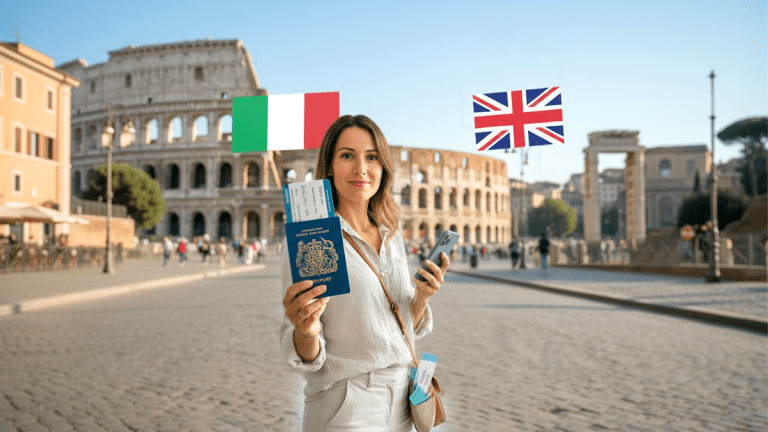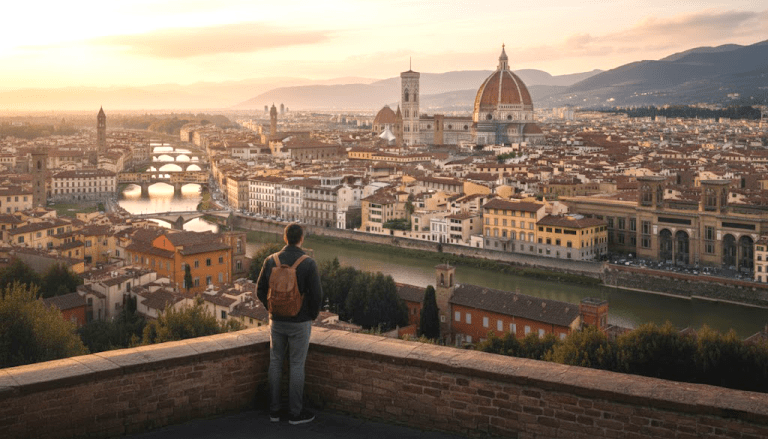
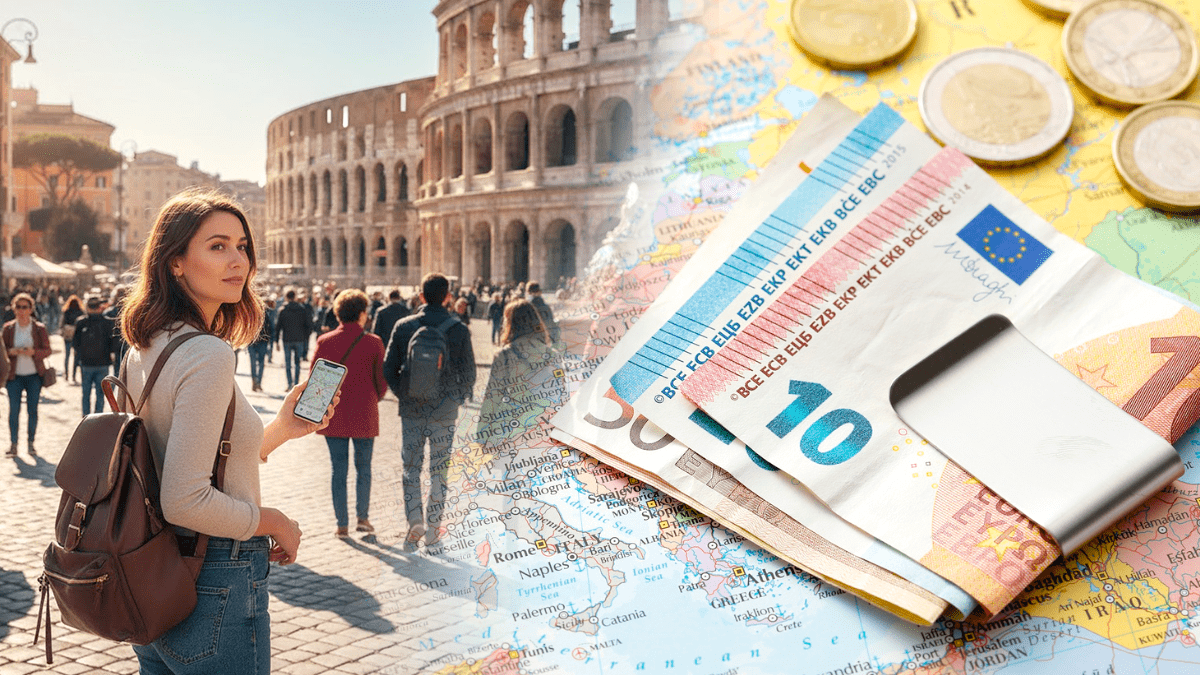

Knowing how to travel Italy on 50 euros a day changed everything for me.
I almost cancelled my trip three weeks before I left. My savings looked pathetic, and every blog I found made it sound like you needed a small inheritance just to eat a plate of pasta in Rome. But most of those guides are either outdated or quietly padding their numbers to sell you something.
I spent 23 days traveling from Milan down to Sicily on roughly that budget. Not in luxury.Not in misery either. Just… real travel. The kind where you actually feel like you’re living in the country, not just photographing it.
This is how I did it, and how you can too.
Best Tips to Travel Italy on 50 Euros a Day
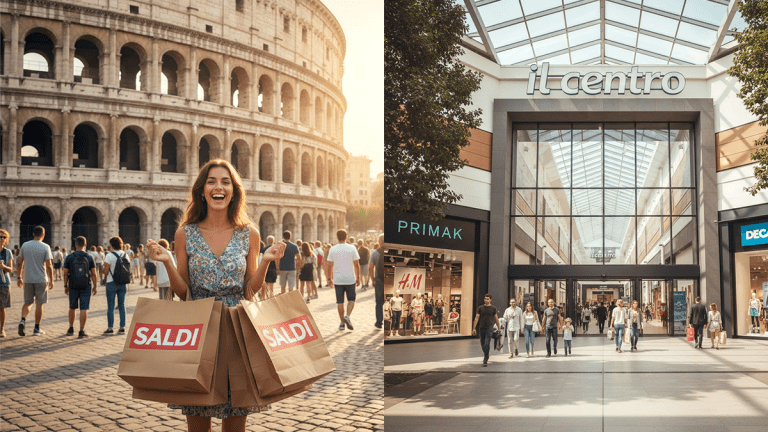
The idea that Italy is impossibly expensive usually comes from tourists who stick to the main tourist traps.Sure,a aperitivo near the Colosseum will drain your wallet fast. But step two streets away, and suddenly you’re paying half the price for better food. Italy has two economies, one for tourists,one for everyone else. Learning to live in the second one is the real secret to cheap Italy travel
The north-south divide matters here too. Milan and Venice are genuinely pricier cities. But once you move south think Naples, Bari, or Palermo — your money stretches in ways that feel almost unfair. Affordable Italy vacation spots exist everywhere, you just have to know where to look.
Where the Money Actually Goes
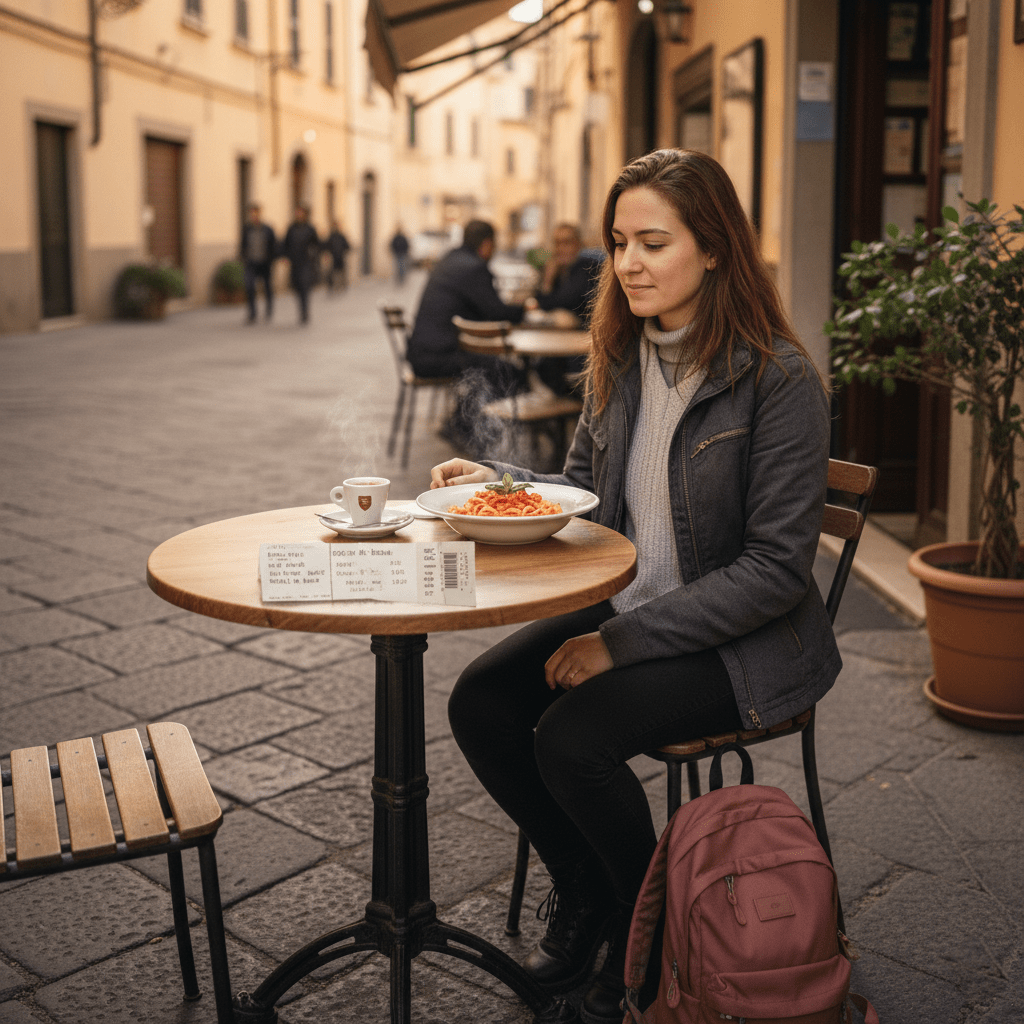
I will show you how I actually spent my days on a budget travel Italy itinerary. No hidden costs, no “I’m not counting that” tricks.
Accommodation (€15–22/night): Hostels with private rooms and Airbnb stays in smaller towns were my backbone. I booked everything 3 to 5 days in advance, not weeks ahead, not last minute. Sweet spot. In bigger cities, I shifted to dorms or shared rooms to keep costs down without sacrificing sleep entirely.
Food (€18–25/day): This is where Italy actually rewards budget travelers. A cornetto and espresso at a local bar costs about €1.50. Lunch at a trattoria — not a restaurant with a guy waving you inside — runs €7–10 for a full primo and secondo.Dinners were often market groceries: fresh bread, cheese, olives, maybe a small bottle of local wine for €3. Eating like a local isn’t just a cliché here.It’s genuinely delicious.
Transport (€5–8/day): Regional trains in Italy are shockingly affordable.I used Trenitalia and bought tickets at the station or online the day before. City buses cost €1 to 1.50 per ride. Walking did the rest. I never once felt rushed or stranded.(Public transport guide step by step read more.. ).
Activities (€2–5/day): Museums were my biggest variable expense, but Italy has a trick up its sleeve — free entry days. Almost every major museum offers one per month. I planned my route around those dates and saved hundreds over the trip.When I did pay, I prioritized one or two must-see spots per city rather than trying to tick off every single attraction.
The Moves That Actually Save Money
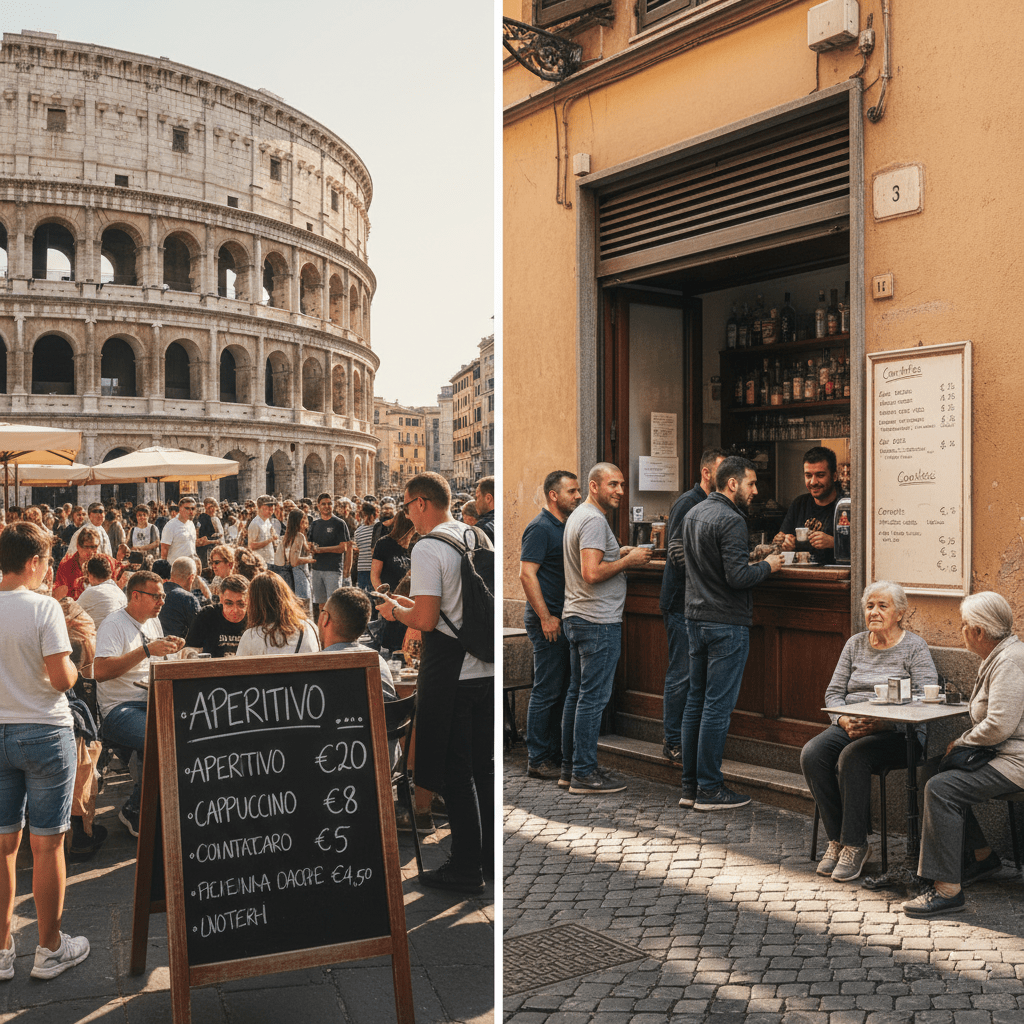
A few things made the biggest difference, and they’re not the usual “skip the coffee” nonsense.
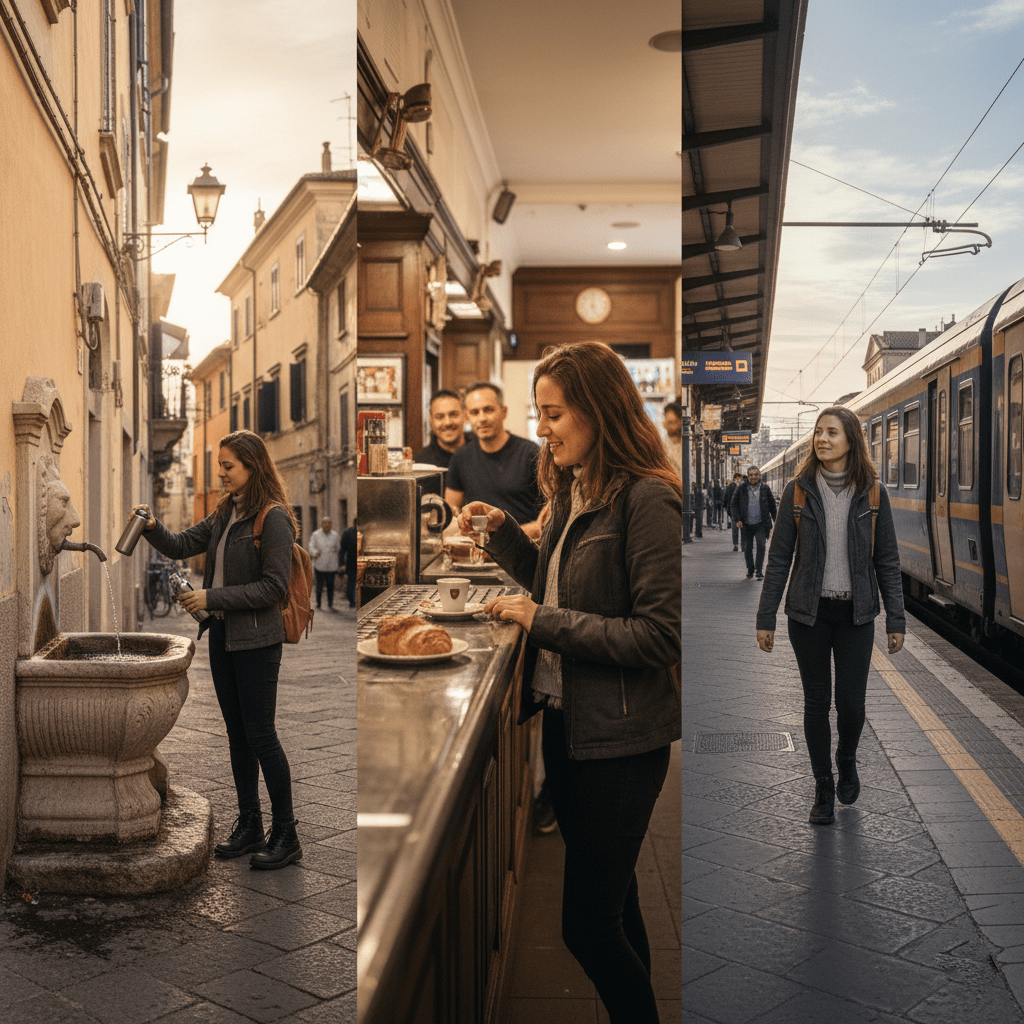
First, travel slower. Staying 3–4 nights in one place instead of 1–2 cuts your transport costs almost in half and gives you time to find the good cheap eats. Second, eat standing up. Italians pay significantly less at the counter than at a table.It’s literally built into the pricing.Third, carry a water bottle.Refill it at any fountain in town. Italy has clean public water fountains everywhere, and using them saves you from buying plastic bottles all day.
One thing I wish someone had told me earlier: avoid the tourist breakfast buffets.They look impressive but they cost €12,18 for food that tastes like cardboard. A bar around the corner gives you the same espresso and cornetto experience for €1.50, and it actually tastes better.
Is 50 Euros a Day Realistic?
Yes,but it requires flexibility. Some days I spent €38. Other days, after a museum entrance fee and a slightly nicer dinner,I hit €62.The average evened out. The key isn’t hitting exactly €50 every single day. It’s staying close enough over the course of a week that the math works out.
If you travel Italy cheap and stay flexible with your route,you won’t feel like you’re roughing it. You’ll feel like you’re actually in Italy not just photographing it.
Frequently Asked Questions About Traveling Italy on a Budget
How much does it cost to travel Italy for two weeks?
On a 50 euros a day budget,two weeks runs you roughly €700 to €850 total excluding flights. That covers food, local transport,accommodation,and a handful of paid attractions. Lean into the south and that number drops even more.
What is the cheapest way to get around Italy?
Regional trains are your best friend. They’re slower than the high-speed lines,but they cost a fraction of the price. For smaller towns not on the rail network, regional buses fill the gap cheaply. Walking handles the rest inside cities.
Is Italy actually expensive for tourists?
It depends entirely on where you eat and sleep. Tourist zones absolutely are expensive. But the moment you step off the main drag and eat where locals eat especially in the south Italy is genuinely one of the most affordable countries in Western Europe.
Can you really travel Italy on a shoestring budget?
Yes, but the trick is slowing down. Staying 3–4 nights in one place instead of rushing city to city cuts your transport costs dramatically and gives you time to stumble onto the cheap local spots that don’t show up on any app.
What time of year is the cheapest to visit Italy?
The shoulder seasons are your sweet spot: late September to early November, or mid-February to mid-March. Accommodation and food prices drop noticeably, crowds thin and the weather is still good especially in the south.
Do you need to speak Italian to travel on a budget in Italy?
Not really. A handful of basic phrases like ordering at a bar or asking for the check—can get you slightly better treatment and prices. But in train stations, hotels, and most towns, enough people speak English that you’ll manage fine without it.
Is it safe to travel Italy alone on a tight budget?
Italy is one of the safest countries in Europe for solo travelers.Stick to well-lit areas at night in bigger cities, keep your valuables close on public transport, and you’ll be fine.Budget travel doesn’t change that.