

Convert tourist visa to work permit in Italy

How to convert a tourist visa to a work permit in Italy in 2026 is one of the most searched questions among foreigners who fall in love with the country and want to stay.
I’ll never forget being in a small café in Rome — watching tourists pour past the Roman Colosseum — when an American woman turned to me and said something I’d been asked a hundred times: “Can’t I just stay here and work?” She’s fallen in love with Italy on her two-week vacation, she told me, and wanted to be here all the time. I had to tell her the truth — it’s not just a matter of extending your stay.
You’re probably in a similar position, if you’re reading this. Perhaps you’ve spent weeks wandering Florence’s cobblestone lanes or you’ve already secured a potential employer in Milan who is eager to employ you. The biggest question on your mind being – can you change from a tourist visa to a work permit without any need for you to fly back home and do some visa hopping?
Let me answer it right away and then go for the details: The official stance is that you cannot change your Schengen tourist visa into a work permit while you are in Italy. But that doesn’t mean your dream is denied — only that you need to grasp what the process really entails and move forward with proper planning.
Understanding the Legal Framework in Italy
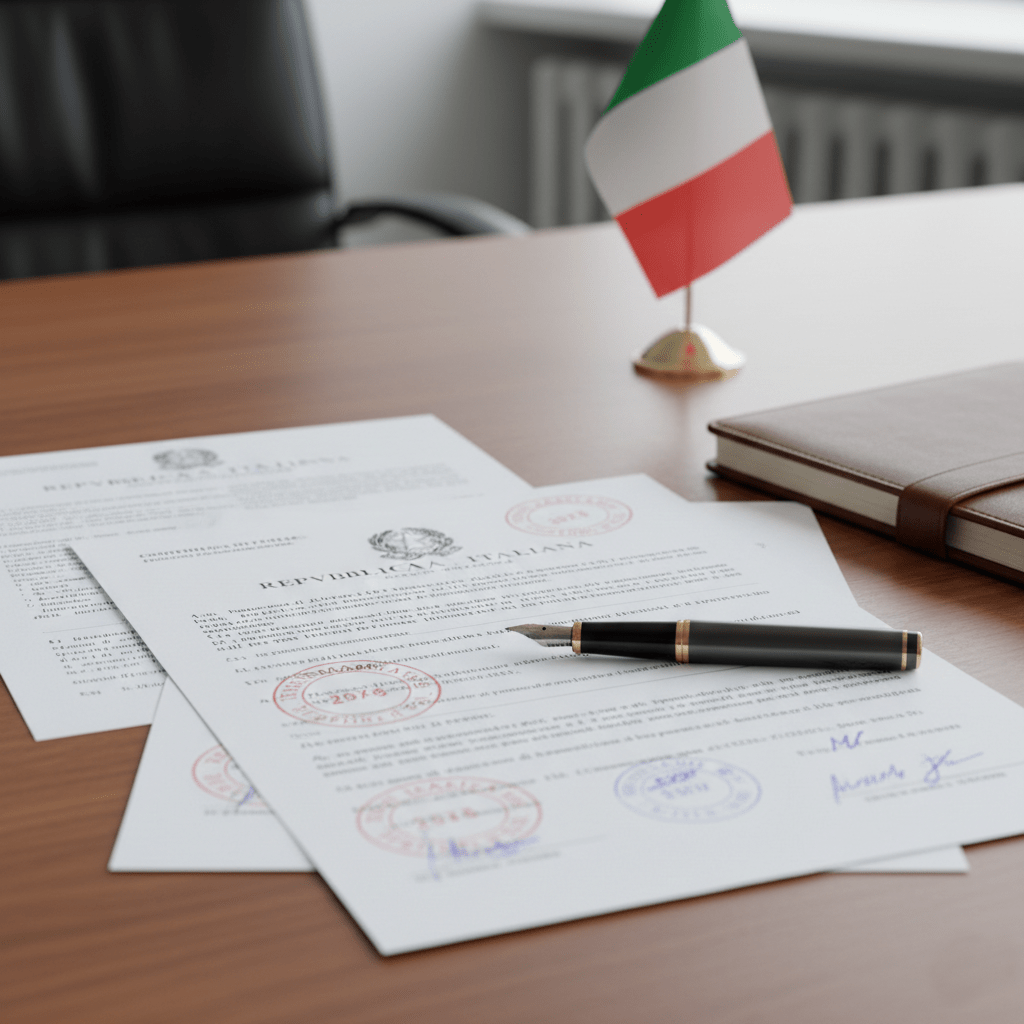
Italy operates under pretty strict EU immigration rules. When you pop over to Italy on a regular tourist visa – or if you’re from the US, Canada, Australia or one of those similar countries & get in visa-free for up to 90 days you’re effectively operating under the Schengen Agreement.
This deal lets you come and visit, but it’s not permission to get a job while you’re there – that’s a whole different ball game.
The Italian bureaucracy demands that you apply for a work visa from back home before you can even think about picking up a job in Italy. And its not just a load of red tape – though it can feel like that sometimes.
Its actually a system designed to ensure you’ve got all the proper paperwork, all the necessary health checks, and that they’re managing the number of non EU workers coming in within certain limits.
That all gets controlled through something called the “Decreto Flussi” – essentially an annual quota system that dictates how many non EU workers can get permits in any given year.
One thing people often find catches them out is : even if an Italian company really wants to hire you – tomorrow is too soon.
Because of the rules the company just can’t get your paperwork sorted while you’re wandering round on holiday. You need to go back home first.
Think of your tourist visa like a ticket to a theatre – its gets you through the door to watch the show – but it doesn’t give you the right to go backstage & take part in the performance. To be able to work legally you need a entirely new ticket – and it needs to be bought through a whole different process.
Why You Can’t Convert a Tourist Visa to a Work Permit in Italy
I talked to dozens of expats who believed they could finesse the system. Some attempted to stretch their tourist stay while they “figured things out.” Some thought their employer would be able to fix everything from behind the scenes. The truth is harsher than the hacked travel blogs let on.
The main stumbling block is the nulla osta (permission to work). This document must be issued by the provincial immigration office ( Sportello Unico per l’Immigrazione) in Italy,but not while you’re physically present in Italy.
Your employer requests for you to do so, and once accepted, you visit – the source of all consular headaches – your home country’s Italian consulate to obtain the actual work visa.
Another major concern is the 90-day Schengen restriction. If you have already used up your 90 days as a tourist, there is no way to be in Italy legally while awaiting work authorization.
Overstaying is not only illegal — you can also be subject to entry bans that prevent you from traveling to any Schengen country for years.
Step-by-Step Process to Get a Work Permit in Italy After a Tourist Visa
Let me walk you through what actually needs to happen if you want to work legally in Italy after your tourist visit.
Step 1: Secure a Job Offer in Italy Before You Leave
This is non-negotiable. Your Italian employer should be able to sponsor you for a work permit. They have to prove they were unable to find a viable candidate for the position in the EU—known as the “labor market test.” There are exceptions to this rule for certain jobs that require special skills, or jobs in sectors where there is a shortage of workers.
Network like the wind during your tourist visit. Go to trade events, meet with prospective employers and network. Utilize your time in Italy to arrange for interviews back home and show them what you’re worth. But be aware that you will have to leave Italy in order to get your visa processed.
Step 2: Your Employer Applies for the Nulla Osta Work Permit
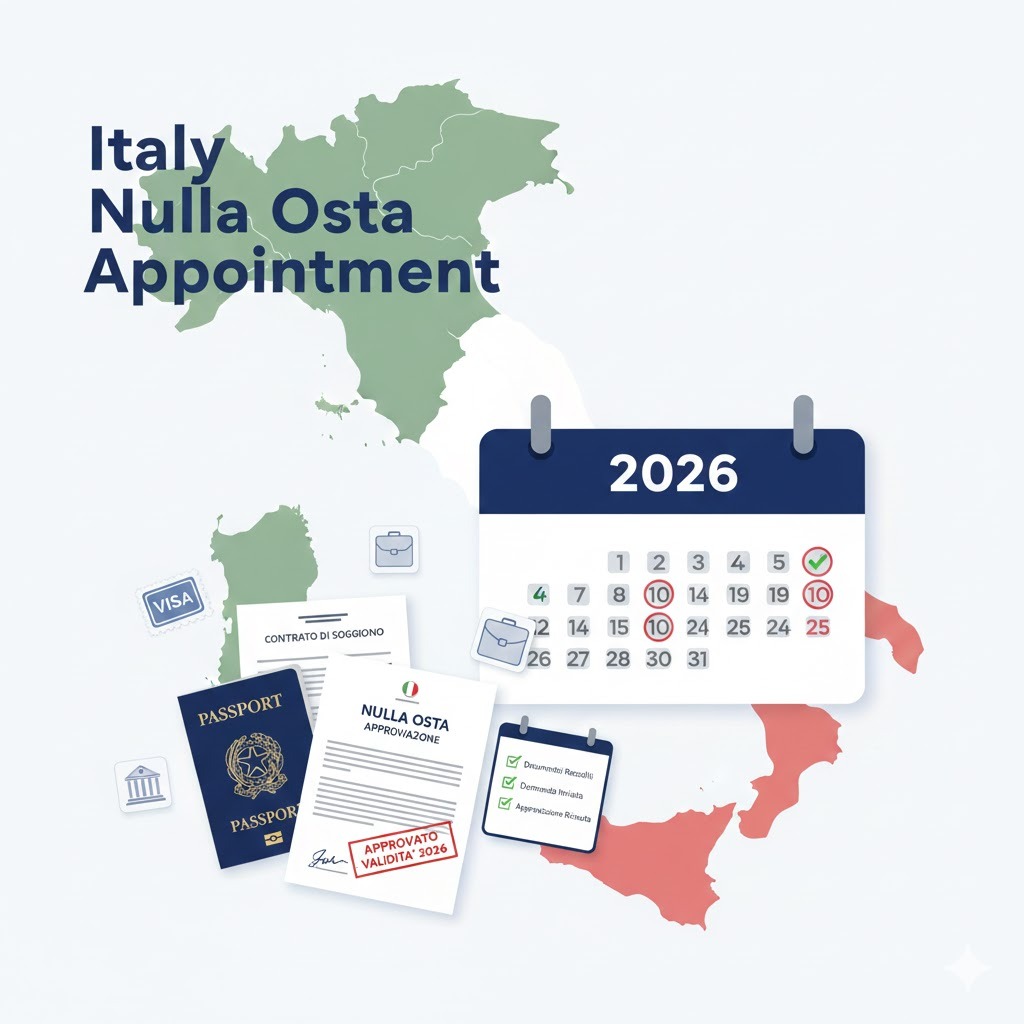
After you come back, your Italian employer applies to the Sportello Unico per l’Immigrazione. That’s along with your employment contract, evidence that they couldn’t find a worker from the EU and other information about the company’s financial health.
The nulla osta application may require between 60 days to a number of months depending on the province and time of year. Milan and Rome usually churn faster than smaller cities. Since 2026, in most of the provinces the some stages of this process done digitally, but it remains frustratingly slow by international standards.
Step 3: Apply for Your Italian Work Visa From Your Home Country
Once the nulla osta is approved, you have six months to apply for your work visa at the Italian consulate in your home country. You’ll need to gather extensive documentation including:
- Your valid passport with at least three months validity beyond your intended stay
- The original nulla osta authorization
- Your signed employment contract
- Proof of accommodation in Italy (rental contract or letter from your employer)
- Health insurance coverage
- Proof of financial means
- Recent passport photos
- Consular fees (approximately €116 in 2026)
- Potentially a criminal background check
The consulate interview can be stressful. Take every document they want with you too; Italian consulates are notorious about insisting on a complete application. Forget a single piece of paperwork and you are delayed — or denied.
I have witnessed applications turned down because somebody brought in a photocopy but not an original. The Italian bureaucracy doesn’t really go in for second chances so best to get it right first time. When the nulla osta arrives, book your consulate appointment immediately — some consulates have waiting lists to get an appointment of weeks.
Step 4: Enter Italy and Apply for Your Permesso di Soggiorno (Residence Permit)
After your work visa is approved (usually 30-90 days), you can enter Italy and must apply for your residence permit (permesso di soggiorno) within eight working days of arrival. This is done through the post office using the “Kit Sportello Amico” system—a uniquely Italian bureaucratic experience that involves filling out forms, paying additional fees, and waiting several more months for your actual permit card.
How to get permesso di soggiorno step by step guide read more…
Exceptional Circumstances and Alternative Pathways to Work in Italy After a Tourist Visa

While the standard tourist-to-work conversion isn’t possible, some situations offer alternative routes.
Highly Skilled Workers: If you qualify for the EU Blue Card (typically requiring a university degree and a salary above €27,000-30,000 annually, varying by region), the process can be somewhat faster, though you still can’t convert while in Italy.
Intra-Company Transfers: If you work for a multinational company, an internal transfer to their Italian office follows different rules and can be easier to arrange.
Self-Employment: The self-employment visa has different requirements and allows you to work for yourself rather than an employer. However, you still must apply from your home country, and you’ll need to demonstrate substantial financial resources and a solid business plan.
Study-to-Work Transition: If you’re willing to invest in education, obtaining a student visa and studying in Italy gives you time to build connections and find employment. Students can sometimes convert to work permits after graduation, though this still requires leaving and re-entering in most cases.
Marriage or Family Reunification: If you meet and marry an Italian citizen or EU national during your visit, family reunification visas follow entirely different procedures and can sometimes be initiated from within Italy.
What Happens if You Overstay a Tourist Visa in Italy

I need to be blunt here because this question comes up constantly: overstaying your tourist visa to “buy time” while your work papers process is illegal and incredibly risky.
Italy tracks entries and exits carefully. If you overstay beyond your 90-day Schengen allowance, you face:
- Immediate deportation if discovered
- Entry bans ranging from 1-10 years for the entire Schengen Area
- Permanent marks on your immigration record
- Inability to obtain any future Italian visas
- Potential criminal charges in severe cases
Some people believe that a big city may shelter them from the radar. Don’t risk it. The trade-off isn’t worth it, especially if there’s a legitimate path forward as long as you’re willing to wait.
The Italian government has been bearing down on visa offenders since 2024, and with more coordination between local police, immigration offices and border control.
Landlords are also supposed to report tenants who are foreign nationals, making it more difficult to hide. You wouldn’t even last months without being caught, you’ll eventually need to interact with official systems—and that’s when everything unravels.
Practical Tips for Securing a Work Permit in Italy After a Tourist Visa
After helping friends and colleagues navigate this process, here’s my honest advice:
Start the process before you even book your flight to Italy. If possible, arrange job interviews remotely first. Use your tourist visit as a final-stage interview or to finalize details, not as the beginning of your job search. LinkedIn has become invaluable for connecting with Italian employers before you arrive.
Choose your employer wisely. Not all Italian companies are experienced with hiring non-EU workers. Ask potential employers directly if they’ve sponsored work permits before. Companies familiar with the process will move much faster. Multinational corporations and companies in tech hubs like Milan typically have HR teams that know the system inside out.
Budget for dual living expenses. You’ll likely spend 3-6 months in your home country while paperwork processes. Make sure you can afford to wait without income or while working remotely if possible. Some employers offer relocation packages that include financial support during this waiting period—don’t be afraid to negotiate this.
Hire an immigration lawyer if your situation is complex. While the standard process is manageable independently, complicated situations (previous visa denials, unusual employment arrangements, etc.) benefit from professional help. Expect to pay €1,500-3,000 for comprehensive legal assistance, but it’s worth it for peace of mind.
Learn basic Italian before you start. While not legally required for the work visa, knowing Italian makes the entire process smoother. Many immigration office staff don’t speak English, and having language skills shows your commitment to integrating into Italian society.
Be patient with Italian bureaucracy. The process feels maddeningly slow compared to other countries. Documents get lost. Offices close for holidays you’ve never heard of. Build extra time into every deadline. August is essentially a dead month in Italy—expect zero progress if your paperwork lands during summer vacation season.
The Bottom Line: Working Legally in Italy After a Tourist Visa
As a disclaimer, you can’t actually directly convert absence funds visa in Italy; there is no “change of status” where you get to stay here and it goes from being one type of permit to another. Though, if you manage to find a job while here, you definitely can go home and apply for the necessary work visa and return to Italy legally able to work.
The process can try your patience and organizational skills, but thousands of people pull this off every year. The trick is knowing the rules, following them to the letter, and maintaining realistic expectations about timing.
Italy is worth the red tape. Once you finally get your permesso di soggiorno and will be able to legally build a life here, you realize why so many of us went through this ordeal. The cappuccinos taste better when you’re not afraid of being deported, and the sunset behind the Roman Forum seems more meaningful when you realize you’re no longer just visiting; this is your home.
Begin researching Italian companies in your industry now. Network aggressively during your visit. Then come home, do the paperwork properly, and return to Italy the right way. Your future Italian life is waiting—just a bit more patiently than you’d like.
FAQs: About Converting a Tourist Visa to a Work Permit in Italy
1. Can I convert my tourist visa to a work permit while in Italy?
Answer: No. Italy requires you to return to your home country and apply for a work visa after your employer obtains a Nulla Osta. You cannot change status while staying in Italy.
2. How long does it take to get a work permit in Italy in 2026?
Answer: The process typically takes 4–6 months: 60–120 days for Nulla Osta approval, 30–90 days for the consular work visa, plus 2–3 months for your residence permit after arrival.
3. Can I stay in Italy while my work permit is being processed?
Answer: No. Staying beyond the 90-day tourist limit is illegal and can result in deportation and multi-year entry bans.
4. What documents do I need for an Italian work visa?
Answer: You’ll need your passport, approved Nulla Osta, employment contract, proof of accommodation, health insurance, financial proof, passport photos, and consular fees.
5. Do all jobs in Italy require a work permit for non-EU citizens?
Answer: Yes, except for diplomatic personnel, specific intra-company transfers, or temporary highly specialized assignments.
6. Can I work remotely for a foreign company on a tourist visa in Italy?
Answer: Technically, it’s a legal gray area and risky. To work long-term remotely, you should apply for a digital nomad visa or self-employment visa.
7. What happens if I overstay my tourist visa in Italy?
Answer: Overstaying can lead to deportation, fines, entry bans of 1–10 years, and permanent marks on your immigration record.